Do the cord wrapping colors carry any traditional significance?
Updated Mar 2026
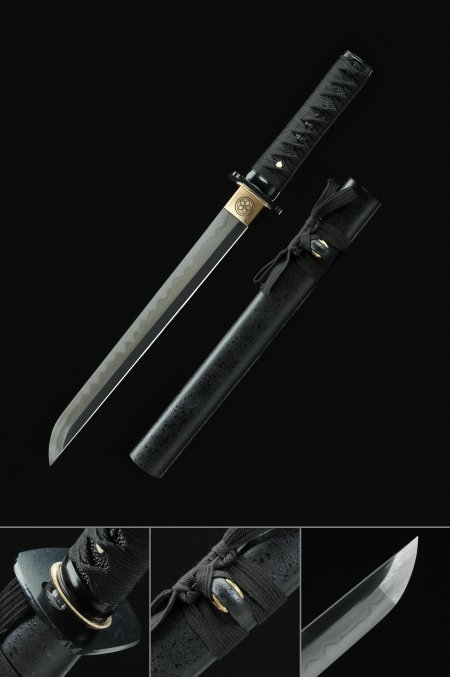
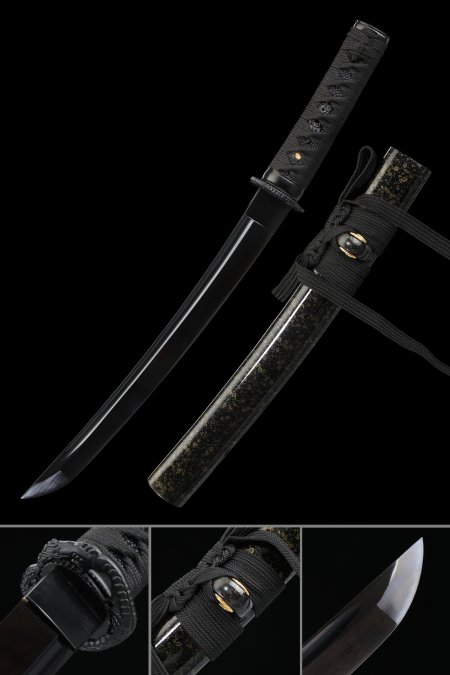
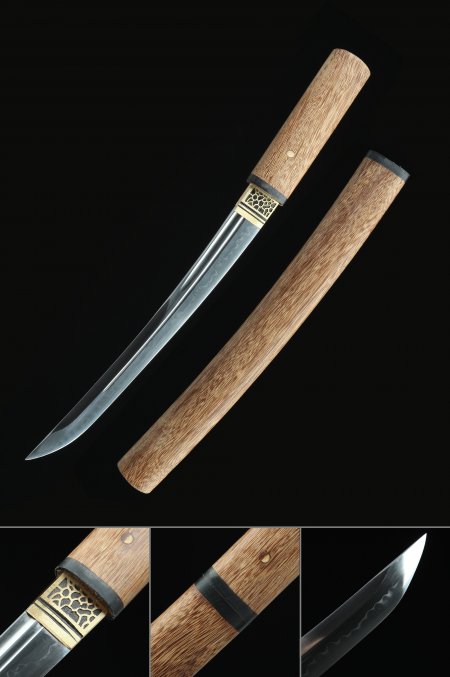
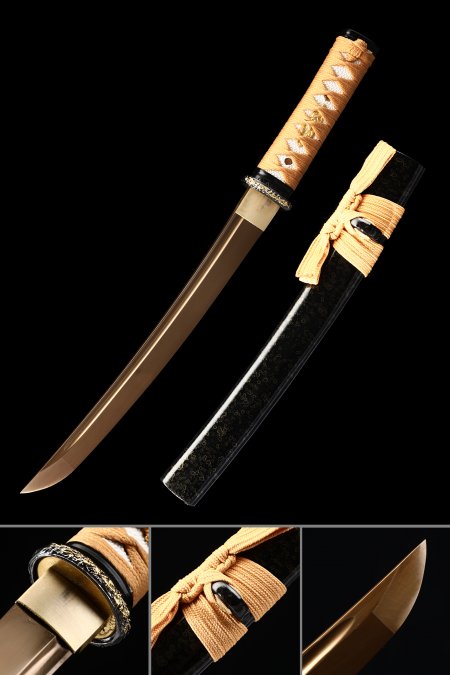
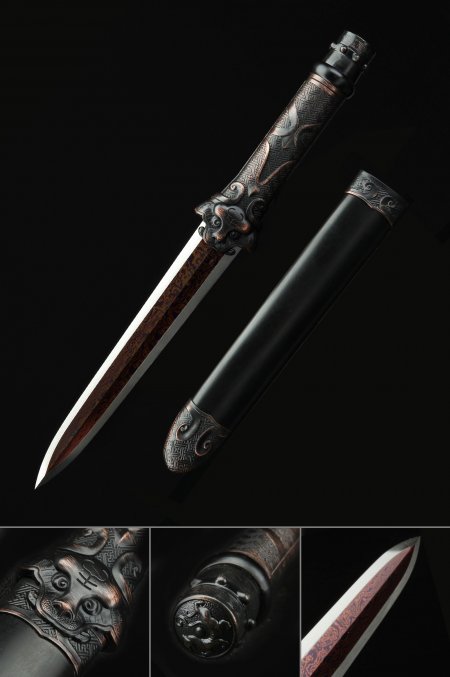
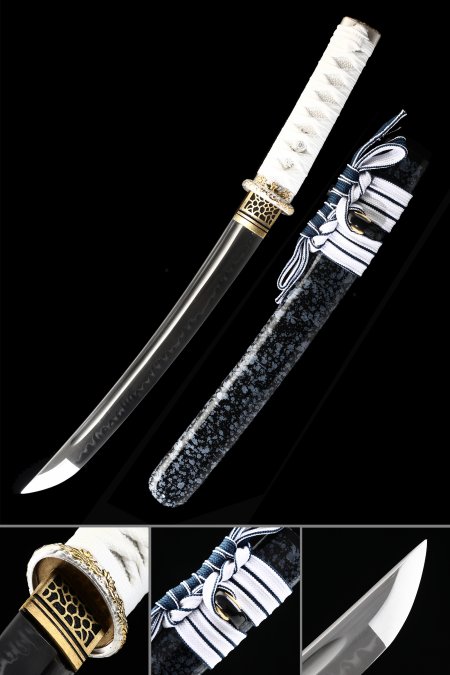
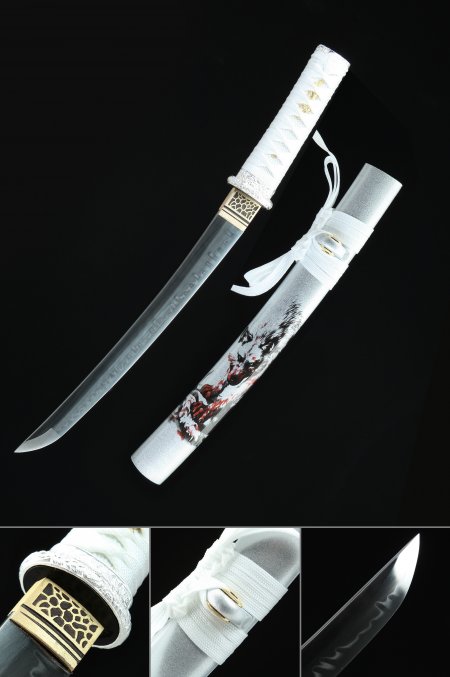
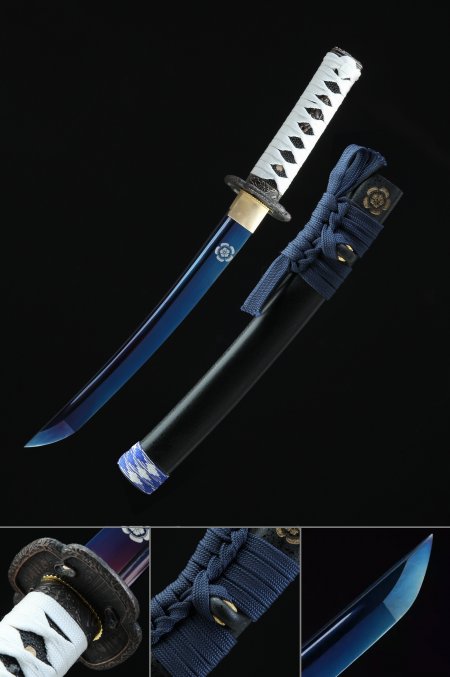
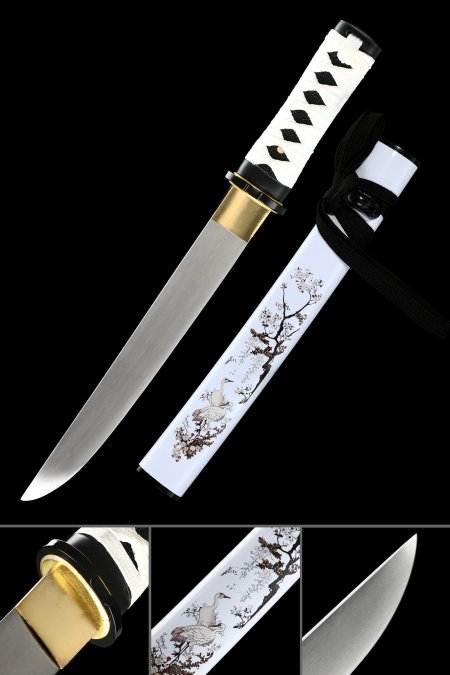
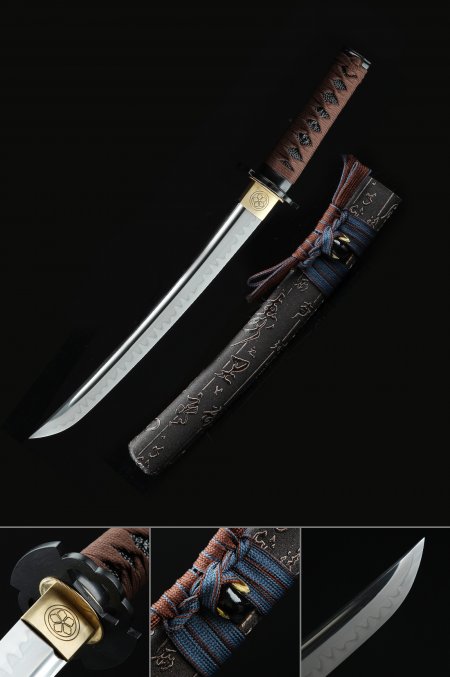
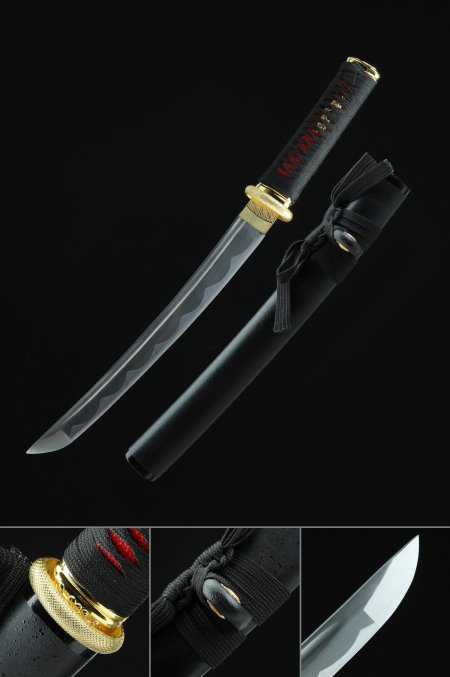
In classical Japanese sword craft, the color of the tsukamaki - the cord wrapping on the handle - was often chosen to reflect the status of the owner, the occasion for which the blade was made, or the aesthetic preferences of the school that produced it. Deep red, known as hi-iro, was associated with vitality and ceremony, and appeared on tanto carried by high-ranking samurai during formal occasions. Teal and blue-green tones were less common historically but appear in regional craft traditions and became more widely used in the Edo period as decorative arts flourished. For modern collectors, the pairing of cord color with lacquer saya finish is primarily an aesthetic consideration - a teal-wrapped handle against a bamboo saya offers a cooler, nature-inspired palette, while black and red creates a more dramatic, high-contrast display presentation.