What makes an aikuchi different from a regular tanto?
Updated Mar 2026
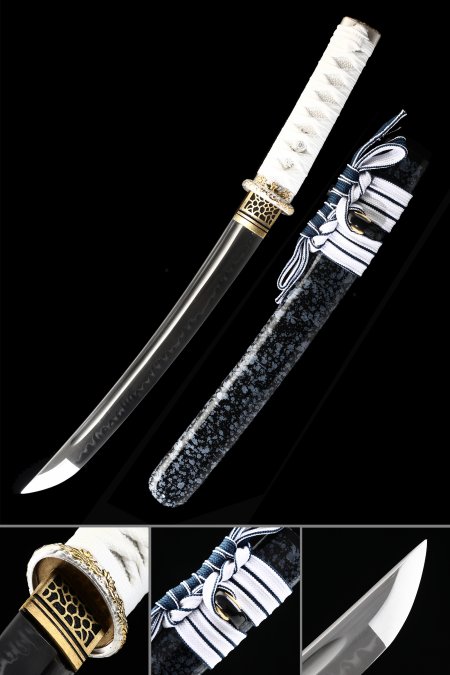
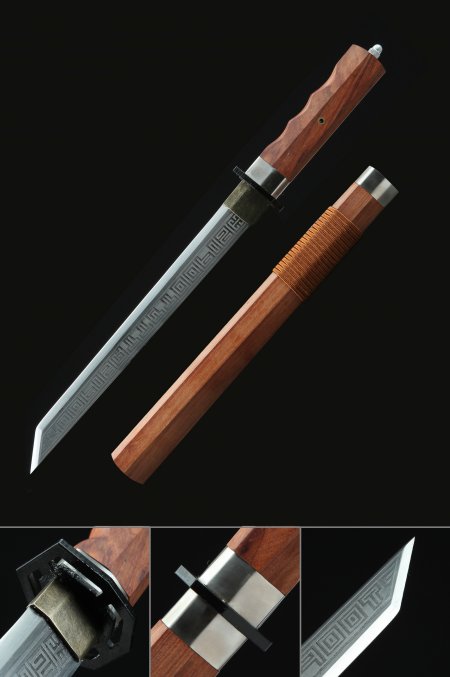
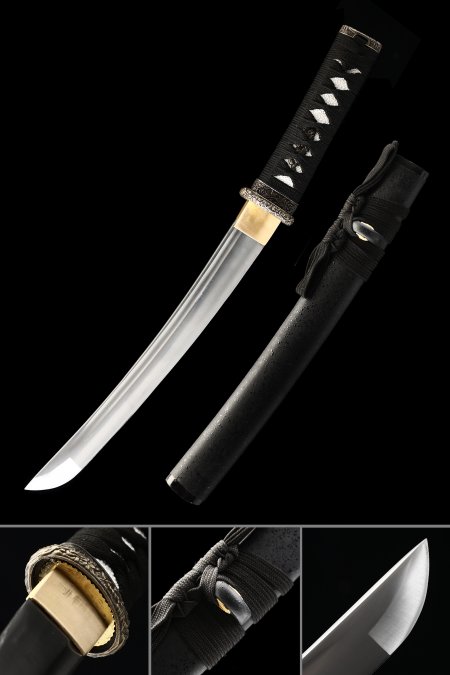
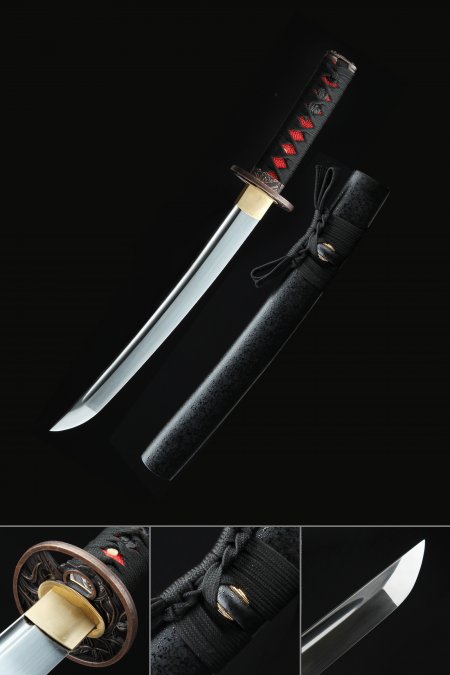
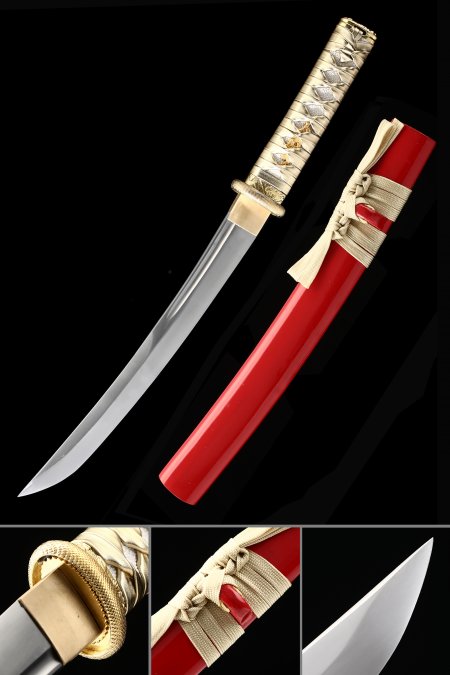
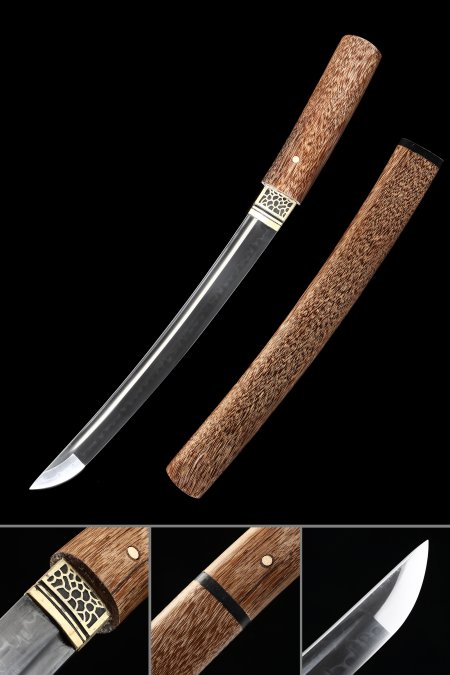
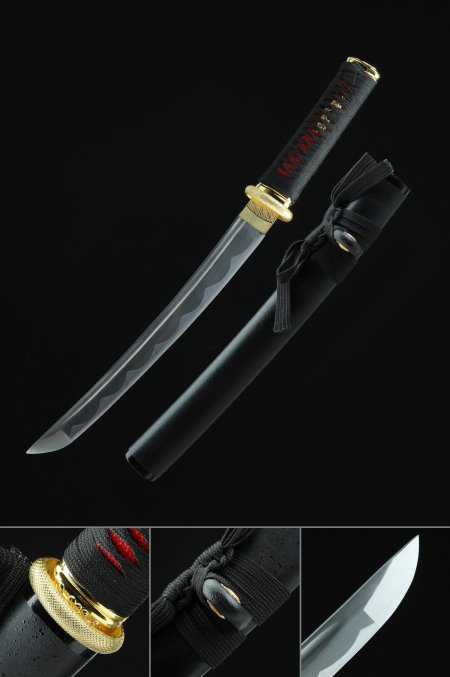
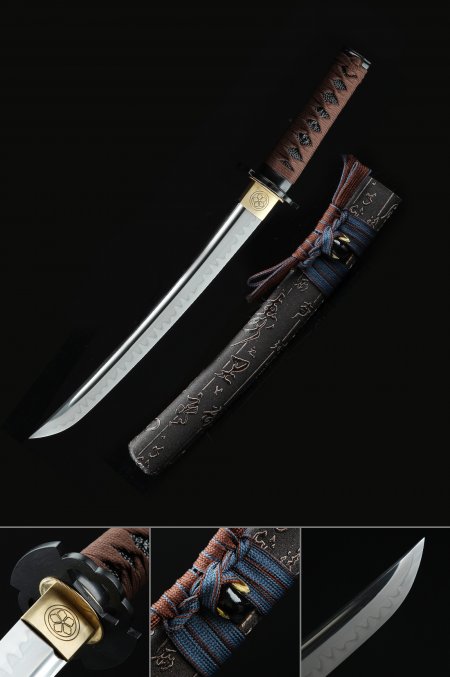
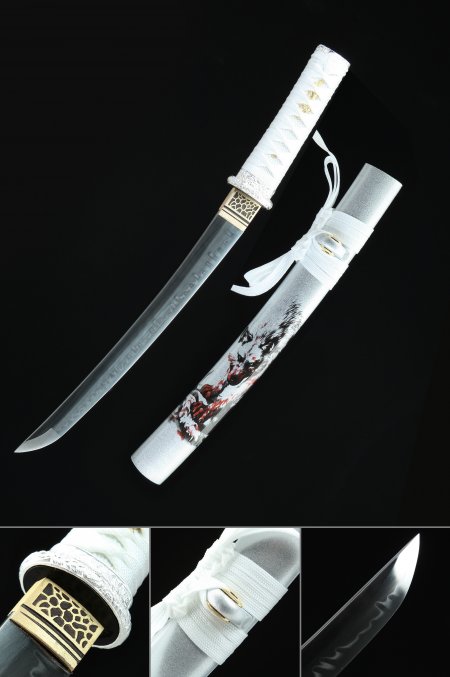
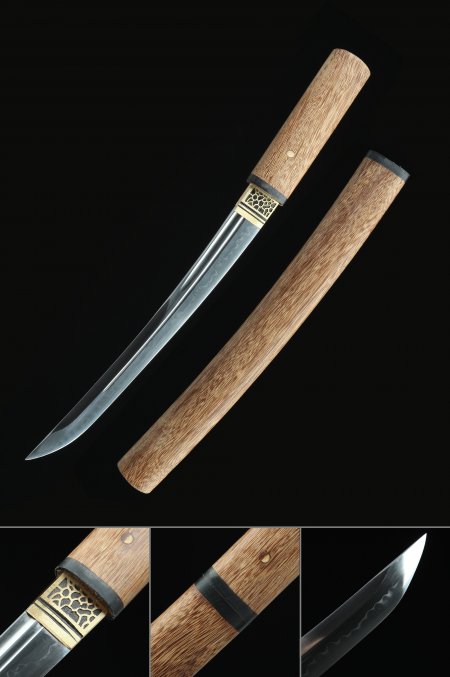
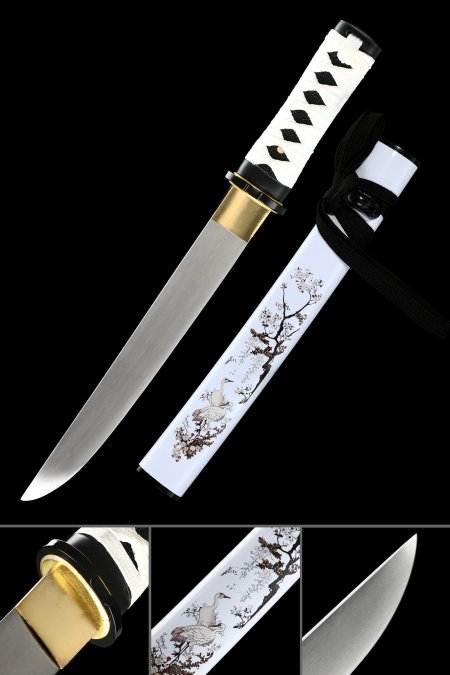
The defining feature of an aikuchi is the complete absence of a tsuba, or hand guard. On a standard tanto, the tsuba serves as a visual and structural dividing point between blade and handle. The aikuchi removes this element entirely, creating a seamless transition from saya to tsuka. This guardless construction was historically associated with formal court attire in Japan, where displaying a tsuba was considered inappropriate in certain high-status civilian settings. For collectors, the practical effect is a blade that presents as a single unified object when sheathed - the saya, habaki, and handle read as one continuous form, making the quality of each fitting and the finish of the saya far more visually prominent than on a guarded blade.