How does a ninjato differ from a traditional katana?
Updated Mar 2026
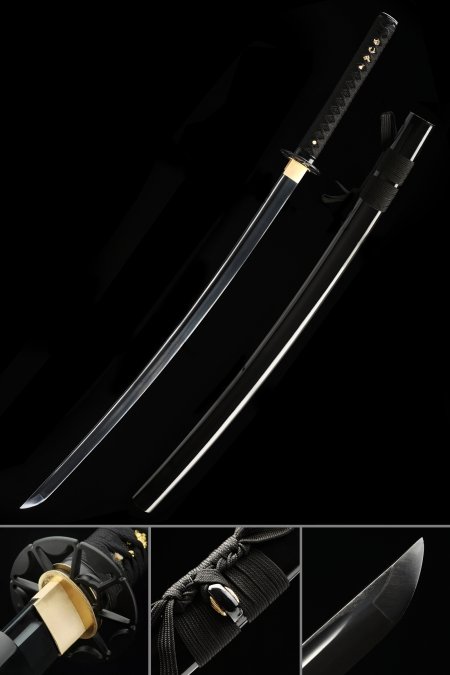
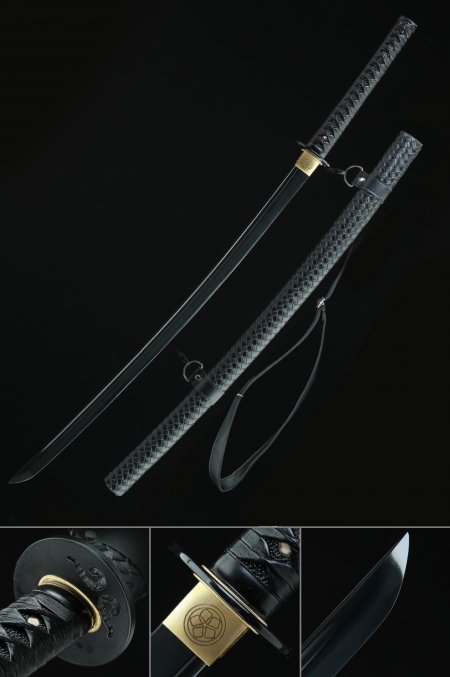
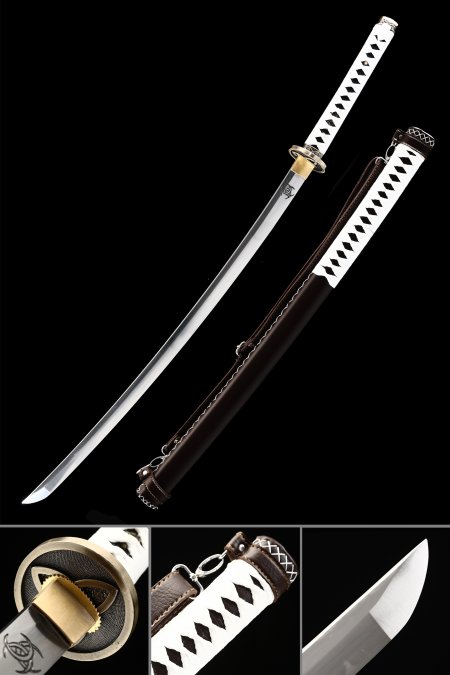
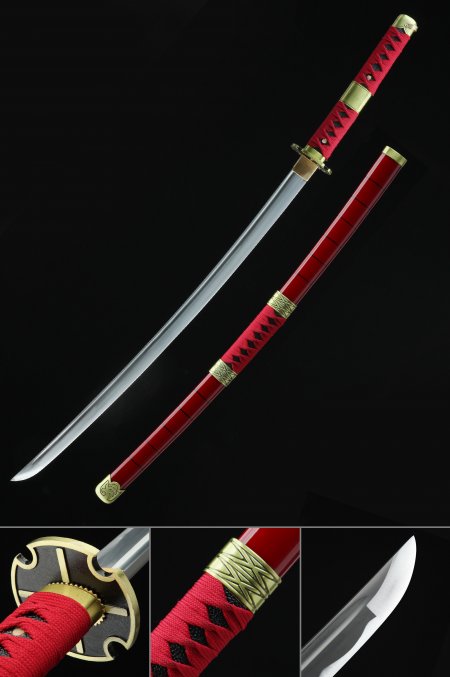
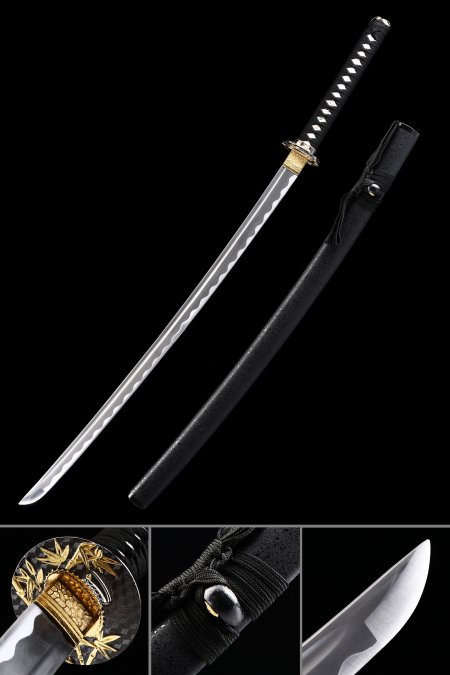
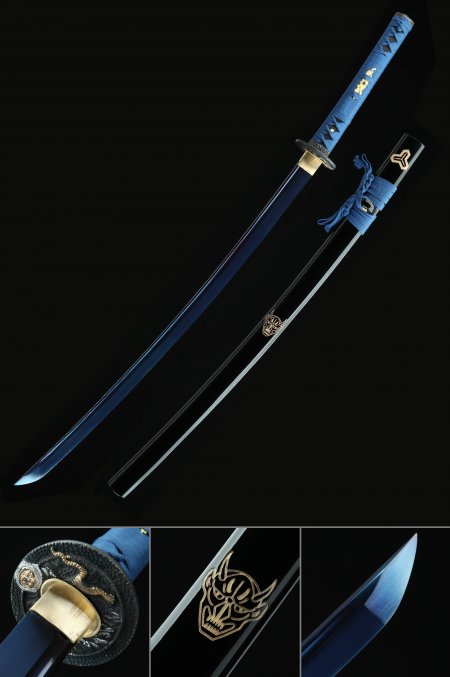
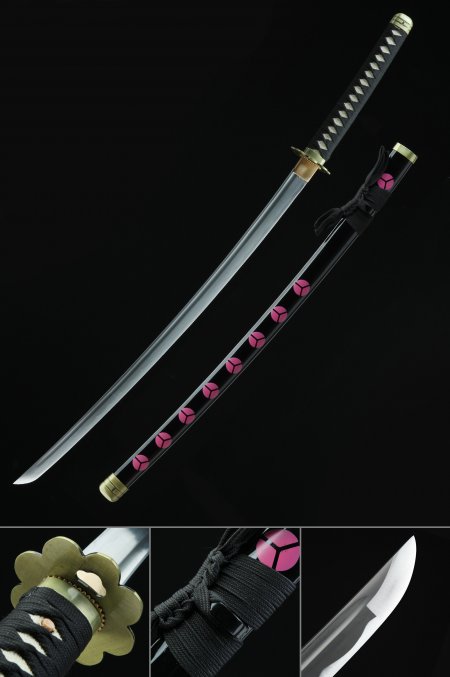
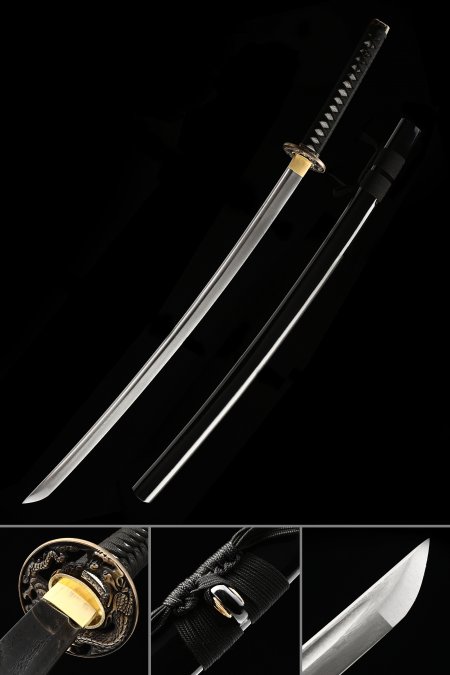
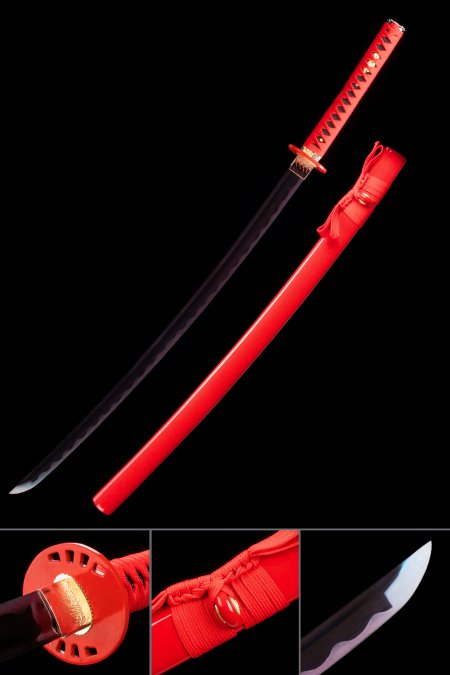
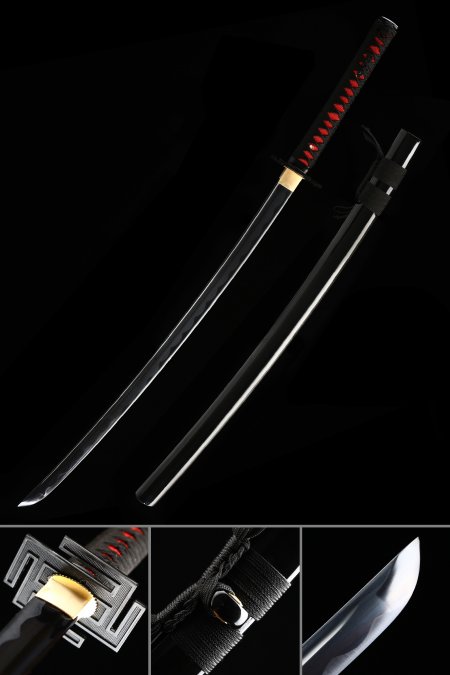
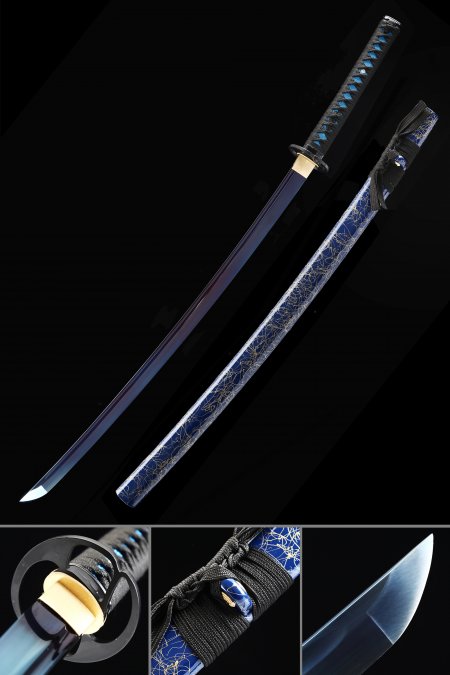
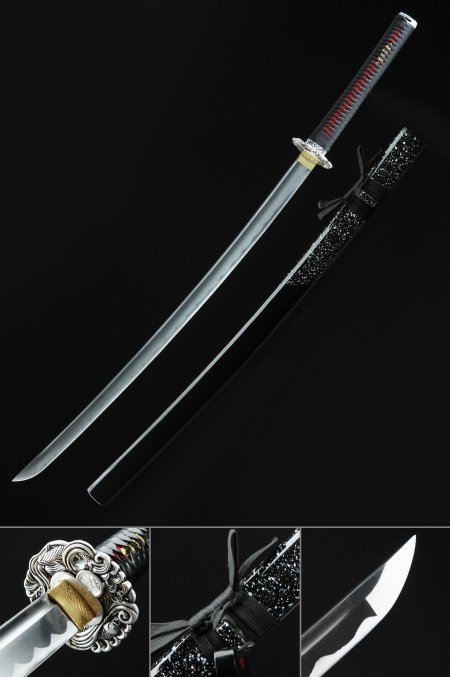
The most immediately visible distinction is blade geometry: a katana features a curved blade optimized for drawing and cutting motions, while a ninjato is characterized by a straight or minimally curved blade with a squared-off profile. The ninjato also typically carries a square or round tsuba rather than the more decorative guard shapes common on katana fittings. In terms of overall length, ninjato tend to be more compact - the pieces in this collection measure 43 inches overall - compared to many full-length katana configurations. For display purposes, this difference in silhouette creates an interesting visual contrast when the two forms are mounted together, as the ninjato's angular lines read distinctly against a katana's sweeping curve. Collectors interested in representing the full breadth of Japanese sword culture often display both forms side by side to illustrate the range of historical Japanese blade design.