How is a ninjato different from a katana for display purposes?
Updated Mar 2026
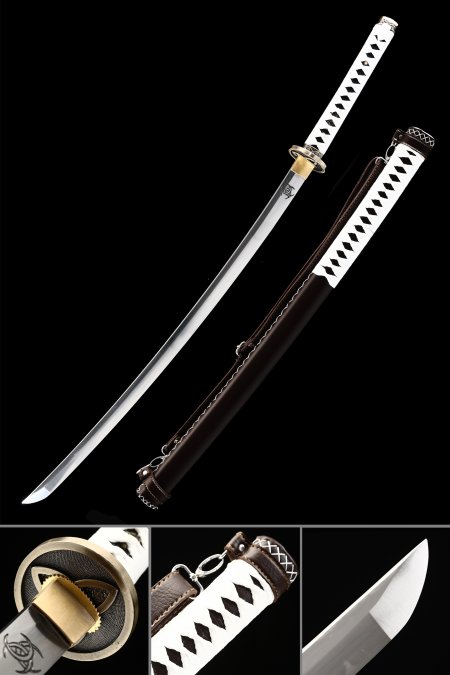
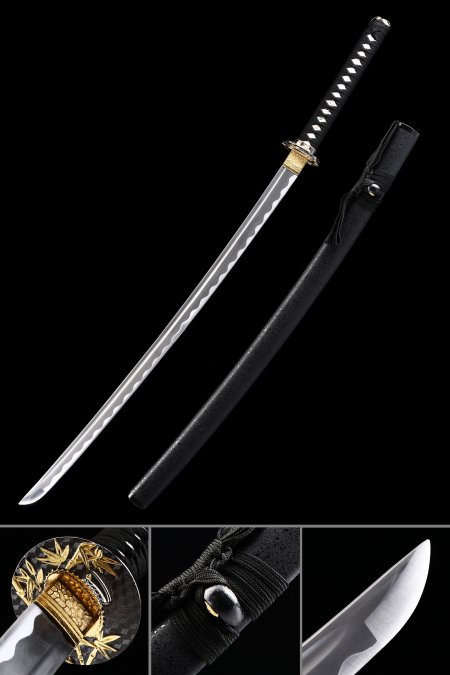
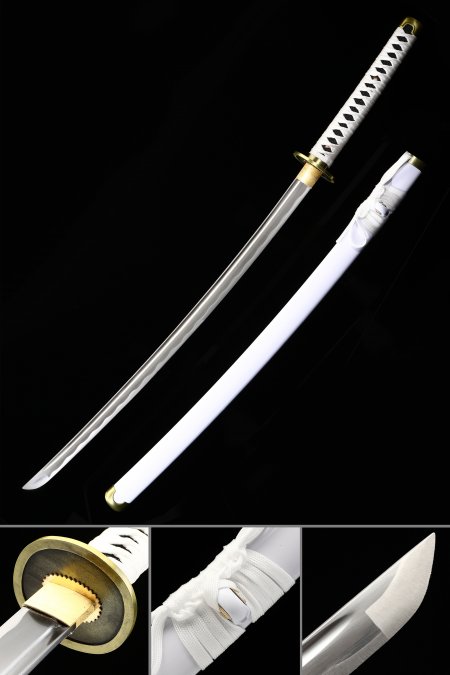
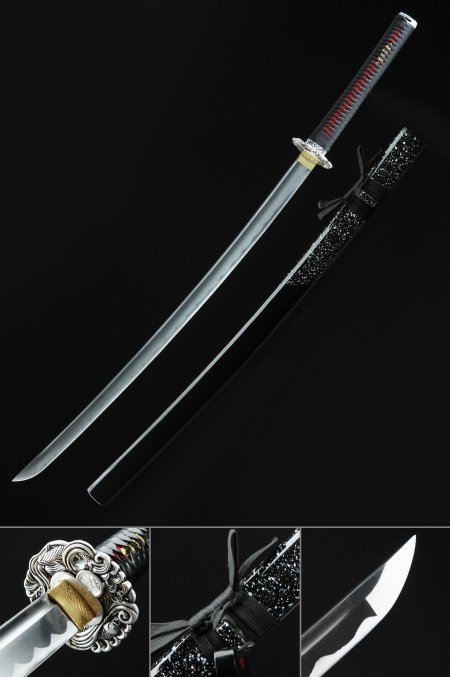
The most visible difference is blade geometry. A katana has a pronounced curve - the sori - that gives it a dynamic, sweeping silhouette. A ninjato or chokuto has a straight blade, which reads as more geometric and architectural in a display context. This makes straight-blade pieces particularly well-suited to minimalist or contemporary interior settings where the curved katana form might compete with other visual elements. The straight profile also means the saya tends to be squared or gently rectangular rather than following a curve, which affects how it sits on a horizontal stand. For collectors who own both curved and straight-blade pieces, the visual contrast between the two types creates an interesting compositional balance on a wall or shelf display.