How does bronze differ from iron or steel as a fitting material?
Updated Mar 2026
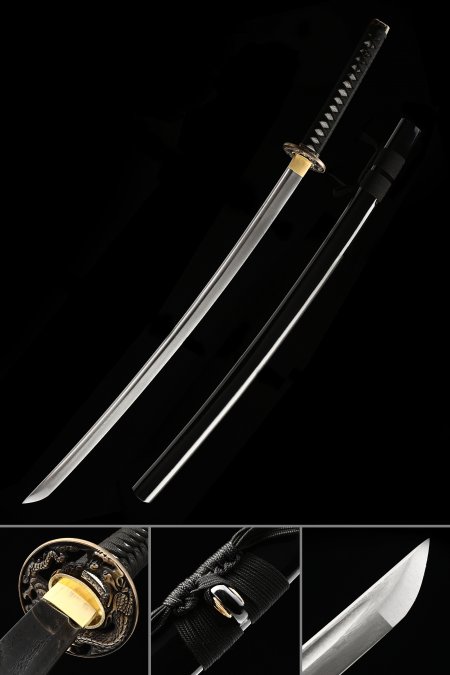
Bronze is a copper-tin alloy that behaves very differently from ferrous metals in both appearance and aging. While iron fittings tend toward dark, matte surfaces and are prone to surface rust without careful maintenance, bronze develops a patina through natural oxidation that many collectors consider an enhancement rather than a flaw. Fresh bronze carries warm amber and gold tones; aged bronze deepens toward brown and green, a process called verdigris. This living quality makes bronze fittings visually distinct from steel or shakudo alternatives. Bronze also accepts hand engraving with excellent surface detail retention, which is why artisans have historically favored it for decorative menuki, fuchi, and kashira on high-quality Japanese collectibles.