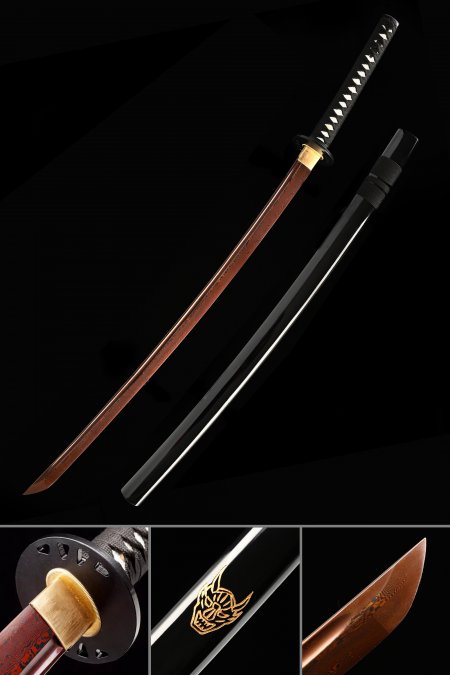
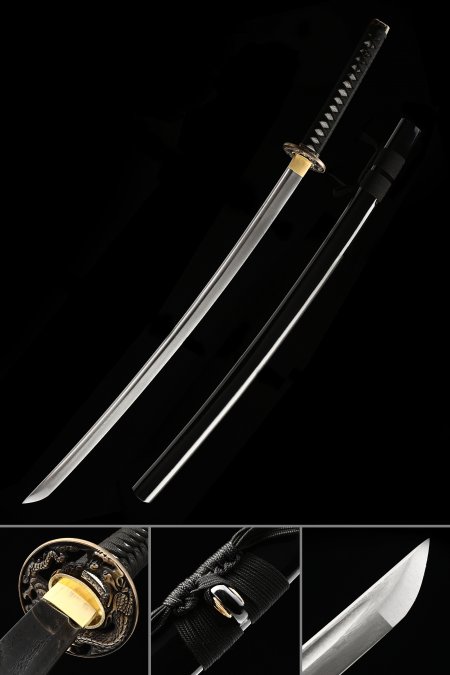
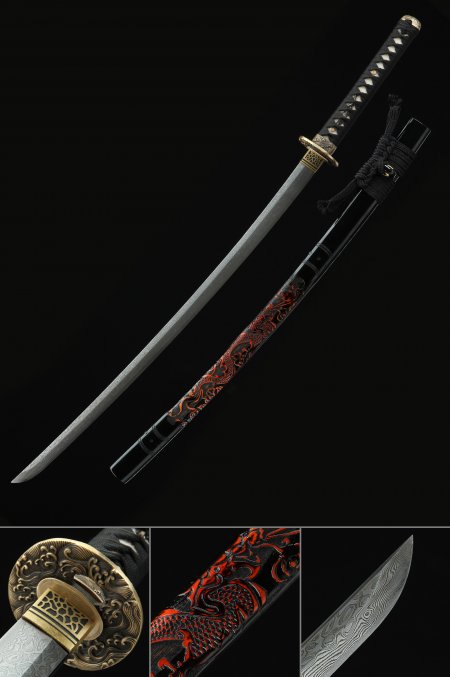
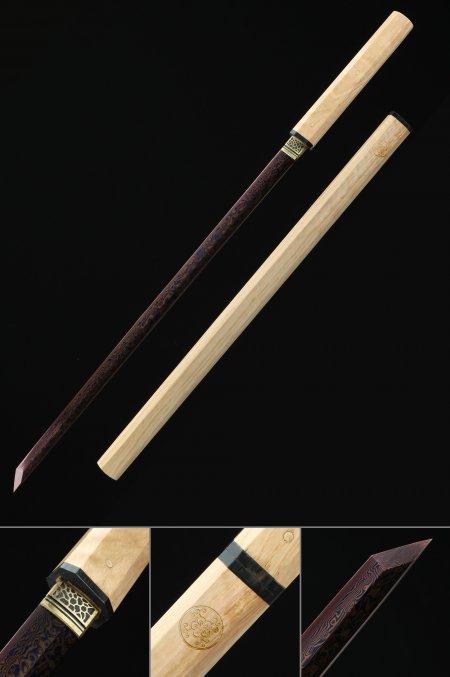
How do 1095, T10, and Damascus steels compare in this collection?
Updated Mar 2026
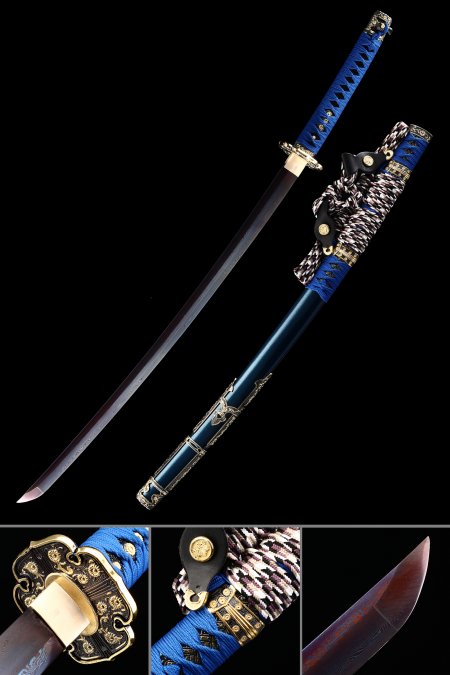
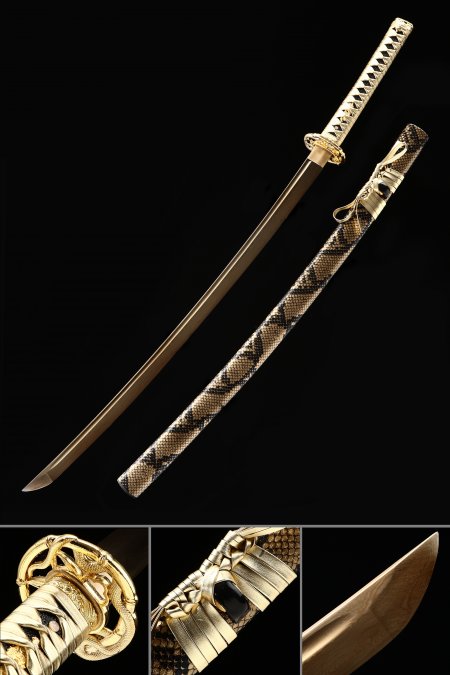
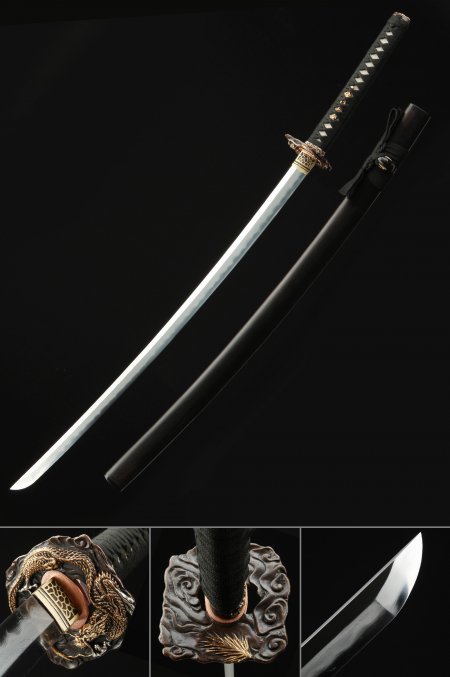
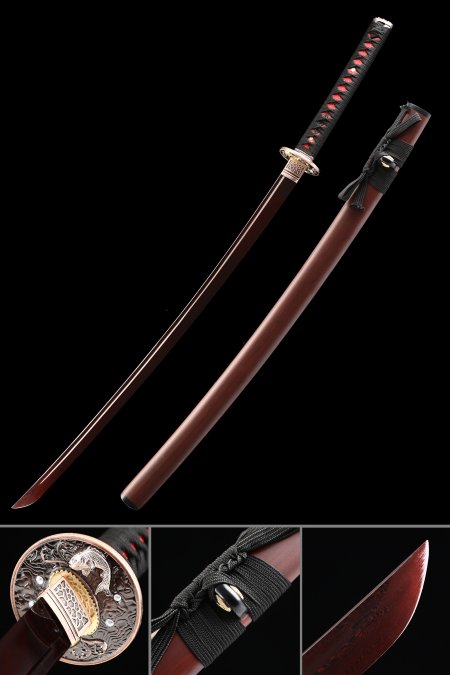
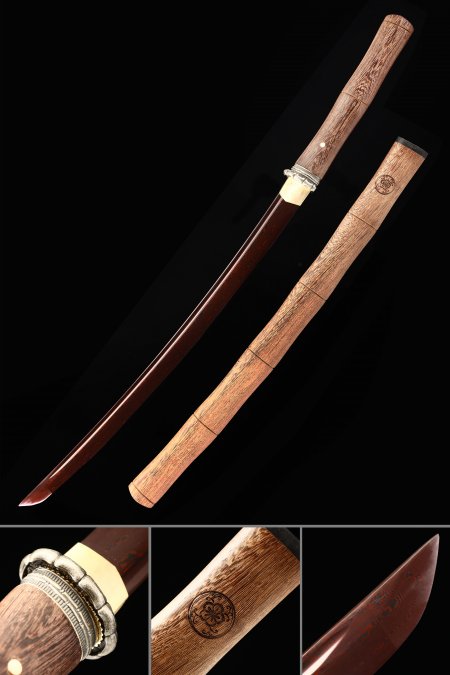
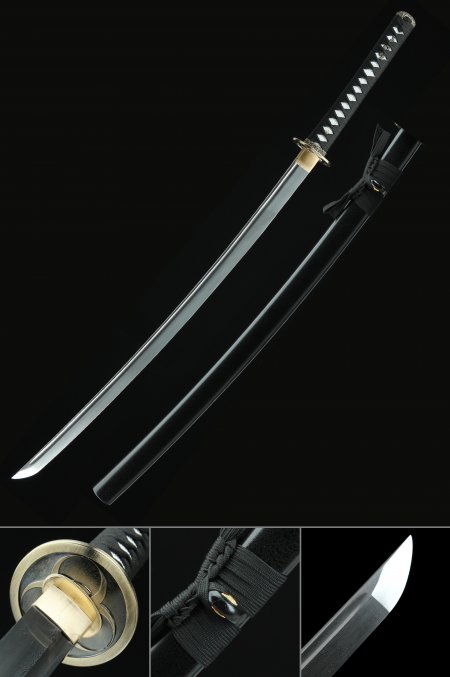
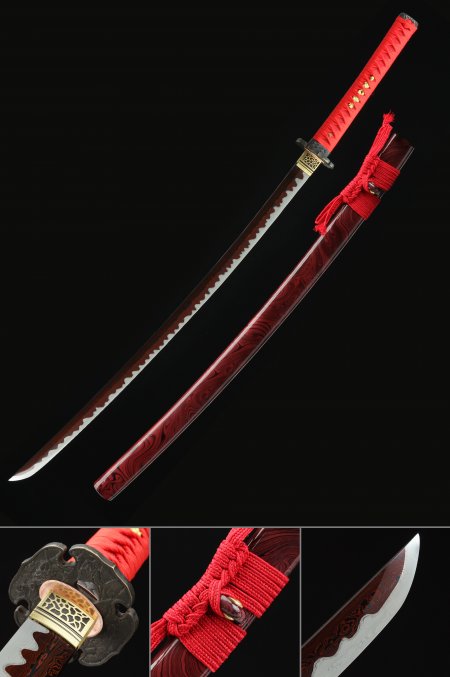
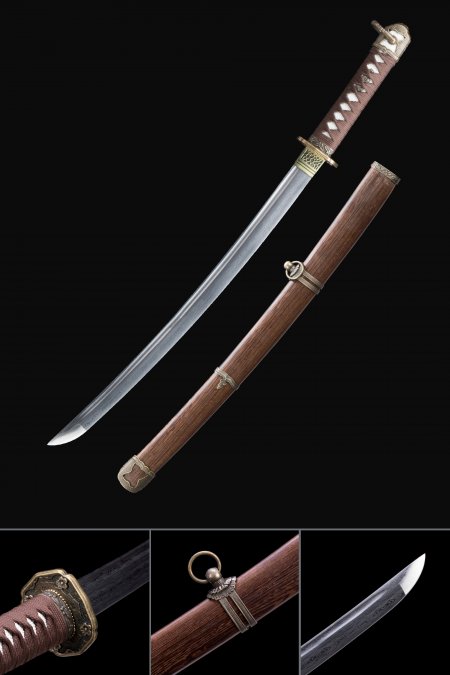
These three steel types represent meaningfully different manufacturing approaches. 1095 high-carbon steel contains approximately 0.95% carbon, making it hard enough to hold a well-defined edge and capable of showing a vivid hamon when clay tempered. T10 tool steel adds a small amount of tungsten to the alloy, which improves wear resistance and produces a slightly finer grain structure - collectors often note that T10 blades exhibit a more refined, detailed hamon activity. Damascus steel (also called folded or pattern-welded steel) is produced by forge-welding multiple steel billets together and folding the composite repeatedly; when etched with acid, the alternating steel layers reveal flowing patterns across the surface. Damascus pieces are primarily chosen for their visual surface character rather than any single metallurgical advantage, making them a strong choice for collectors prioritizing decorative impact.