How is the wave hamon formed on manganese steel blades?
Updated Mar 2026
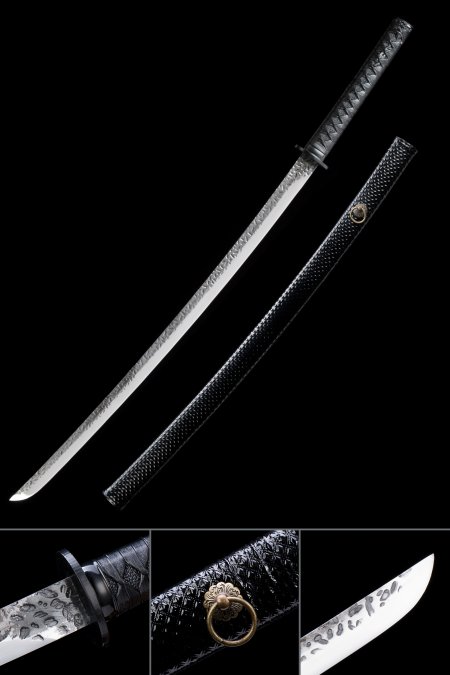
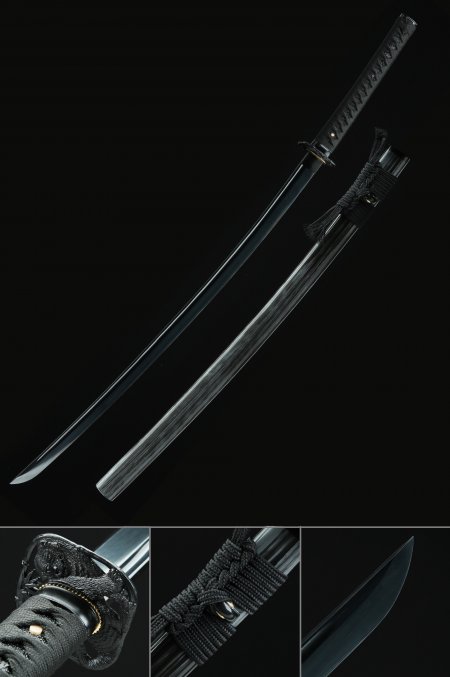
The hamon is the visible temper line created when a blade is differentially heat-treated — the edge is quenched more rapidly than the spine, causing the steel to harden at different rates across its width. The shape of the hamon is controlled by the clay coating applied before quenching: a thicker clay layer on the spine slows cooling there, while the edge, left with minimal or no clay, hardens quickly. A wave or notare hamon is produced by applying the clay in an undulating pattern, which translates directly into the flowing, tide-like line visible on the finished blade. On manganese steel specifically, the contrast between the hardened edge zone and the softer spine reads with particular clarity due to the steel's natural dark tone and the frosted texture the hamon zone develops after polishing.