What is a natural hamon and why do collectors value it?
Updated Mar 2026
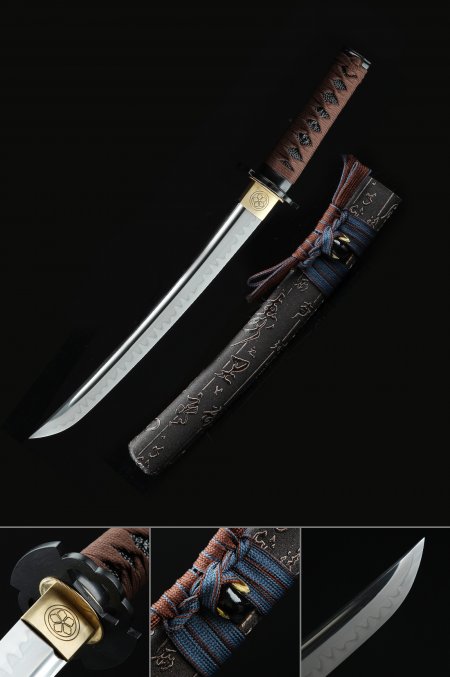
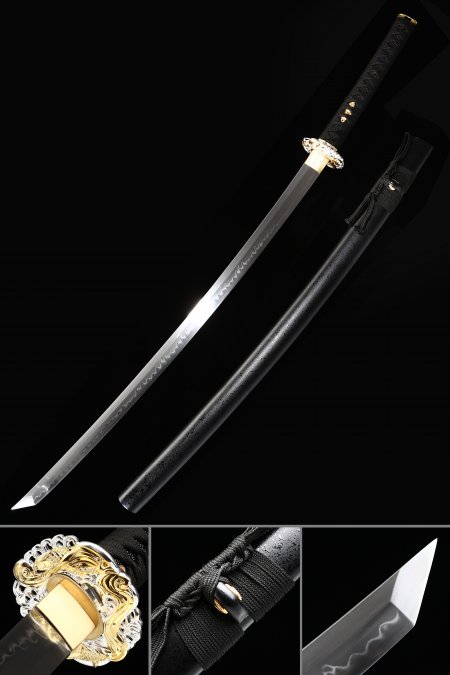
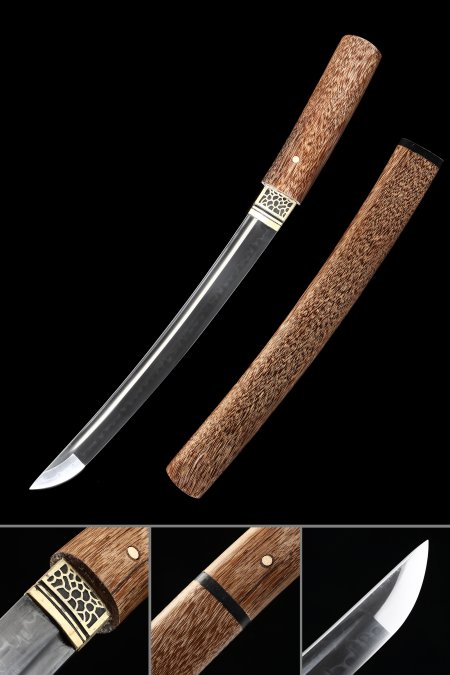
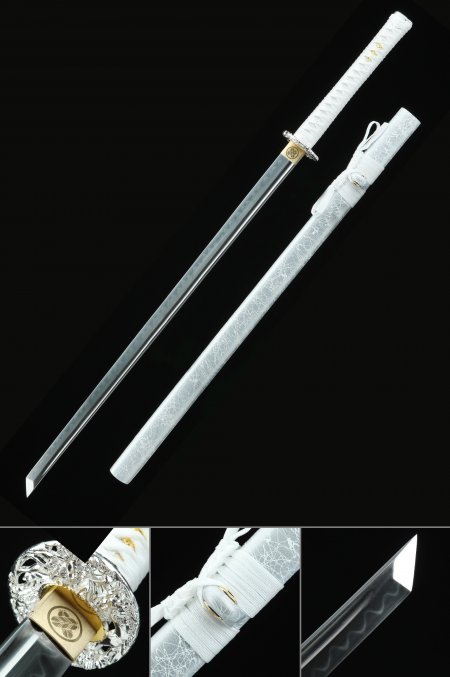
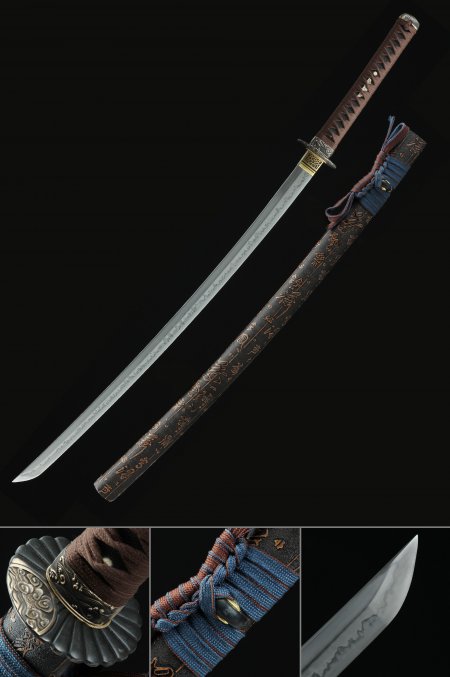
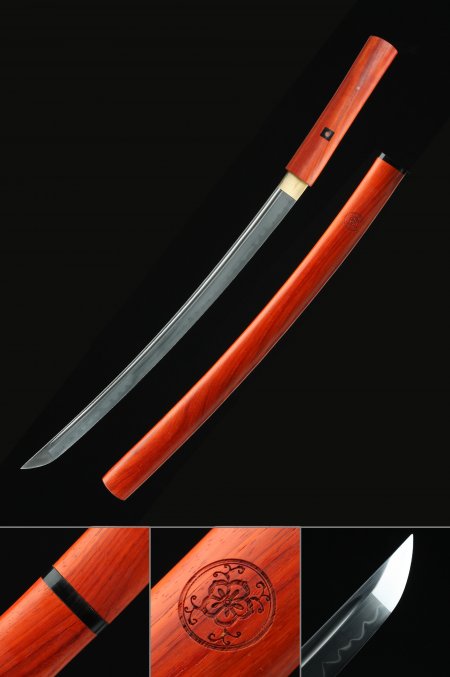
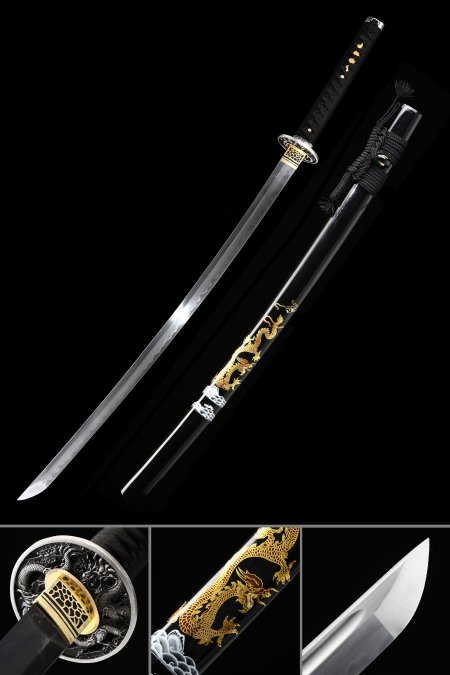
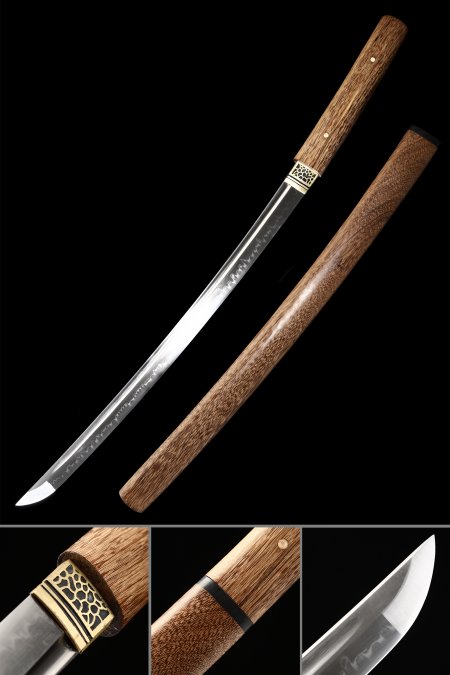
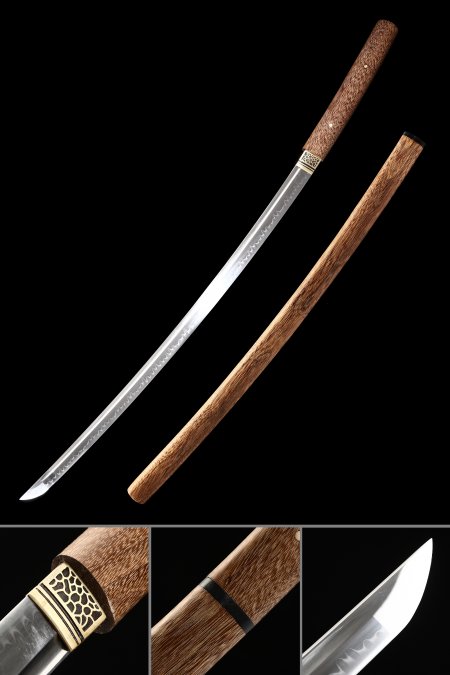
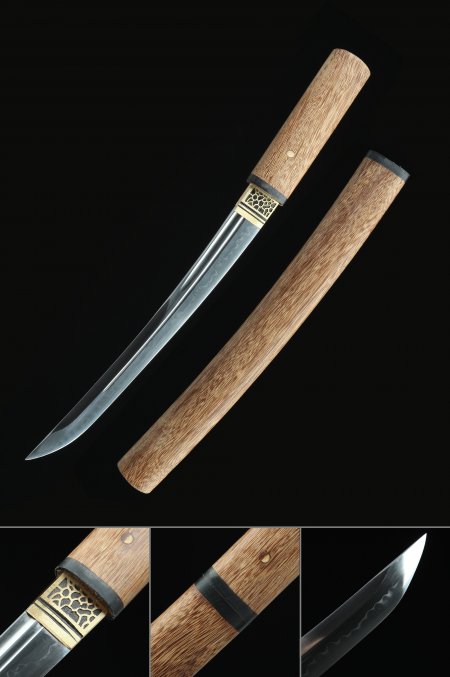
A natural hamon is the visible temper line that forms along a blade during the clay tempering process, where the spine is coated with clay before quenching so that the edge cools faster than the rest of the blade. This differential cooling creates distinct crystalline structures along the transition zone - fine bright particles called nie and a misty, cloud-like effect called nioi - that shift in appearance depending on the angle and quality of light. Unlike an acid-etched hamon, which applies a surface pattern without altering the steel's internal structure, a genuine clay-tempered hamon is a direct record of the forging and heat-treatment process. For collectors, this means each blade carries a unique, unrepeatable line that no two pieces share exactly. T10 tool steel is particularly well-regarded for clay tempering because its fine grain structure allows the hamon to form with crisp detail.