Does the vine motif have symbolic meaning in Japanese tradition?
Updated Mar 2026
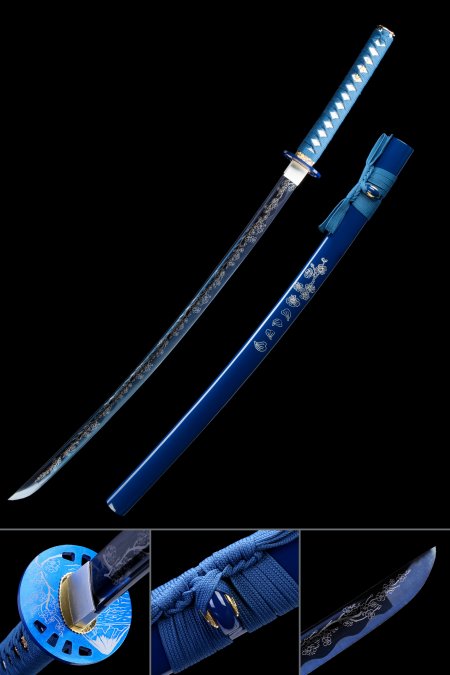
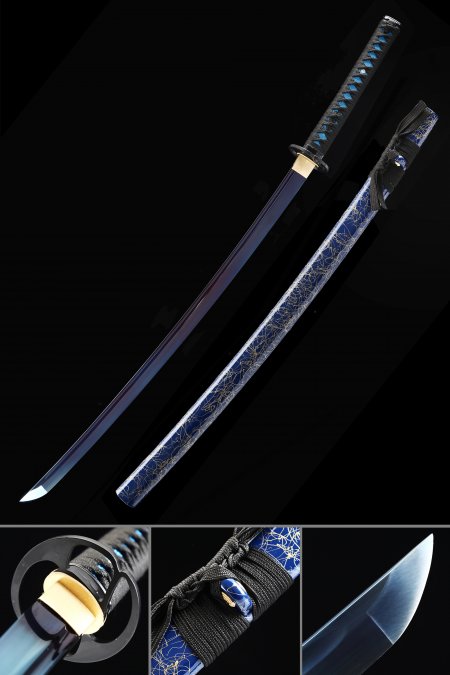
Yes. The scrolling vine pattern — known in Japanese decorative arts as karakusa — is one of the most enduring motifs in East Asian design. Originating in Tang Dynasty Chinese textile and metalwork patterns and adopted extensively in Japan from the Heian period onward, the continuous interlocking vine represents longevity, growth, and unbroken lineage. It appears in everything from temple metalwork to lacquerware to textile dyeing. On a blade collectible, karakusa-style vine engraving connects the piece to a centuries-long tradition of applying botanical ornament to fine metalwork — making it a meaningful choice for collectors interested in Japanese decorative arts beyond the blade itself.