How is the pattern on a Damascus steel blade actually formed?
Updated Mar 2026
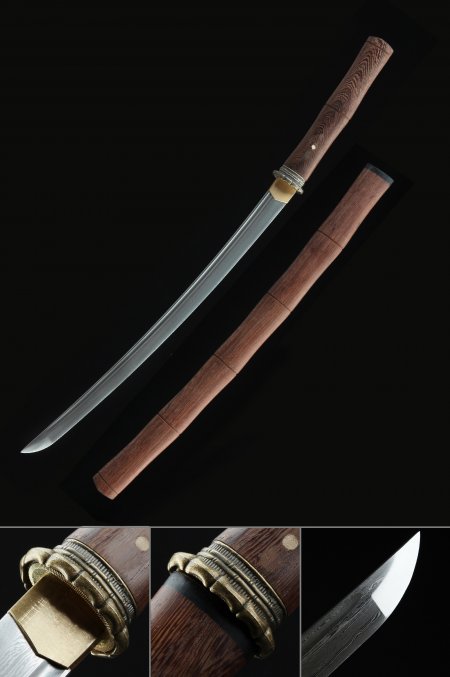
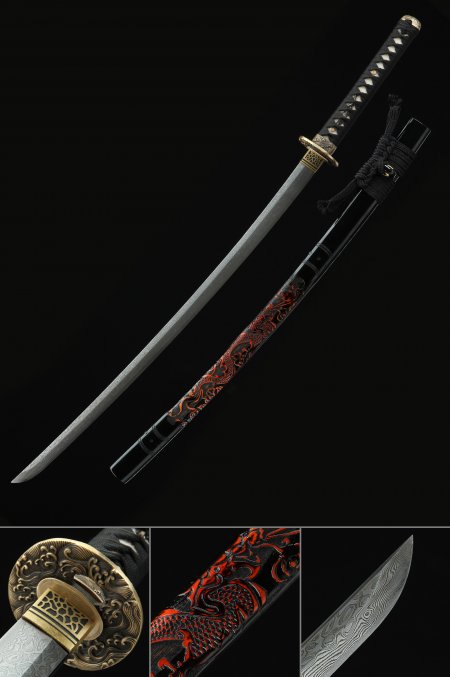
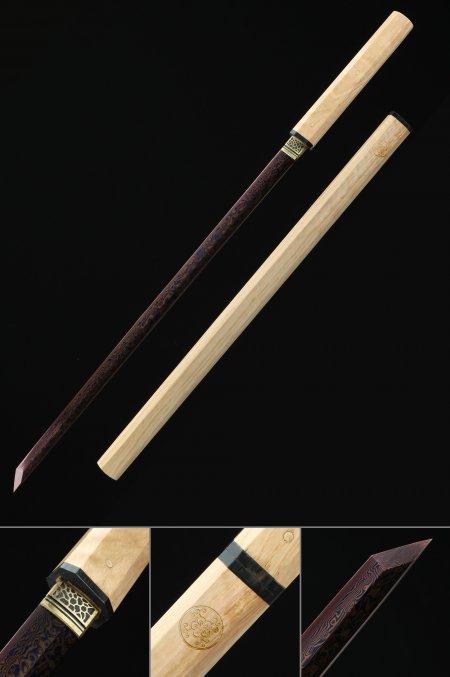
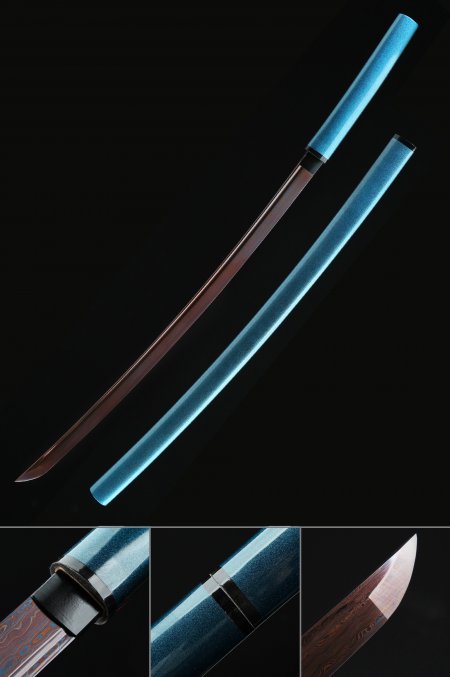
The pattern visible on a Damascus steel blade is a direct result of forge-folding - a process where two or more steel alloys with differing carbon content are stacked, heated, hammered flat, folded, and repeated many times over. Each fold doubles the number of layers in the billet. After forging and grinding, the blade is acid-etched, a finishing step that chemically reacts differently with the high- and low-carbon layers, causing them to appear as alternating light and dark bands. The specific pattern - whether flowing and wood-grain-like or tighter and more turbulent - depends on how the smith manipulated the billet during forging. No two Damascus blades produce an identical surface, which is a key part of their collectible value.