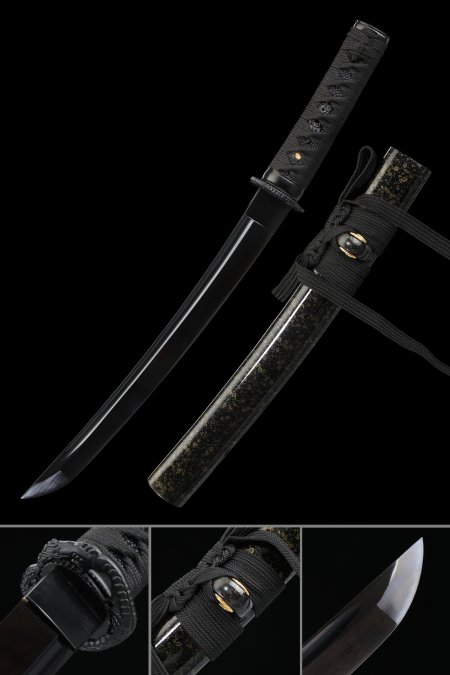
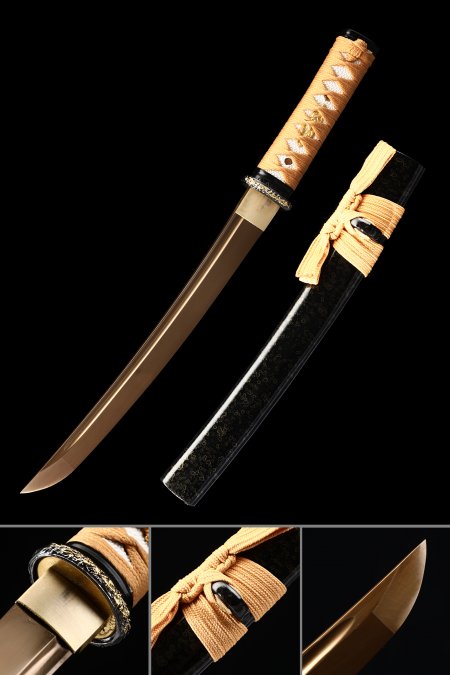
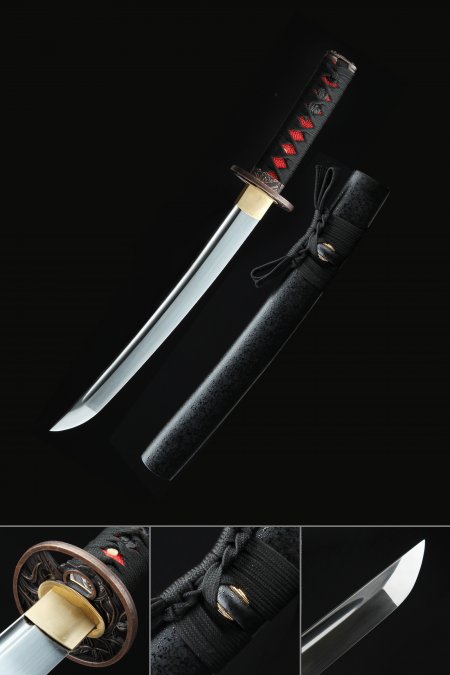
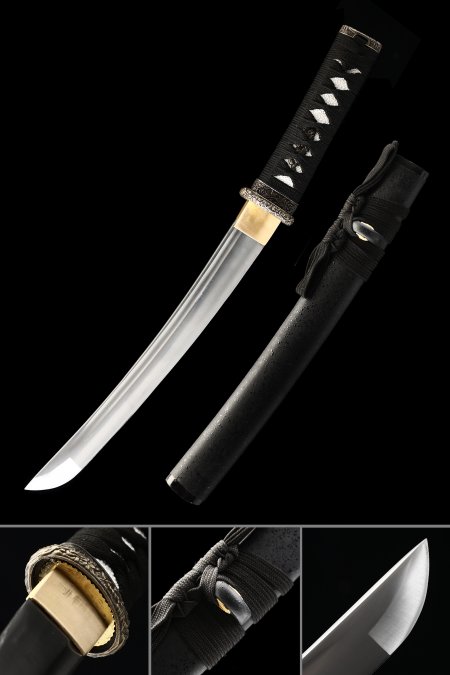
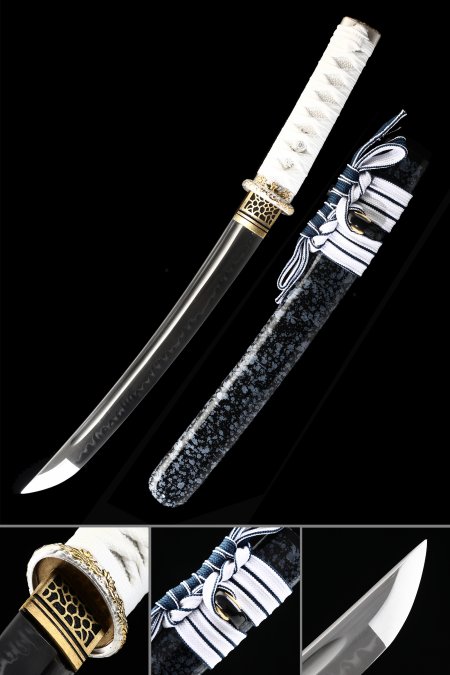
Are tanto with real hamon sharper than standard blades?
Updated Mar 2026
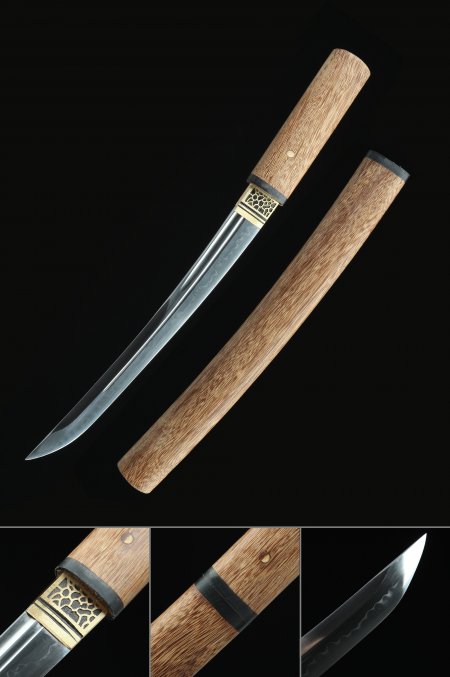
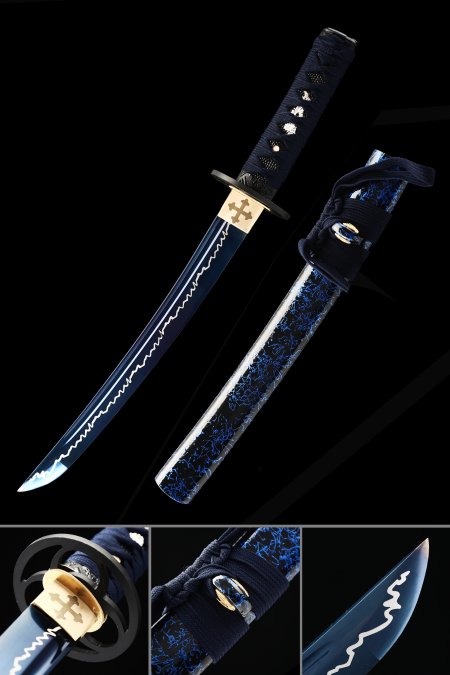
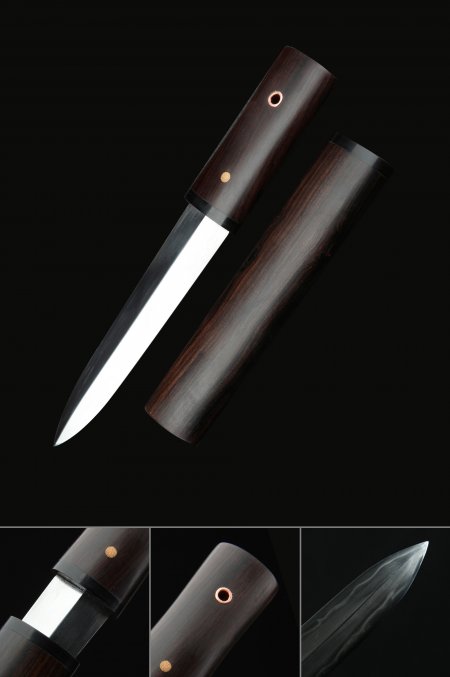
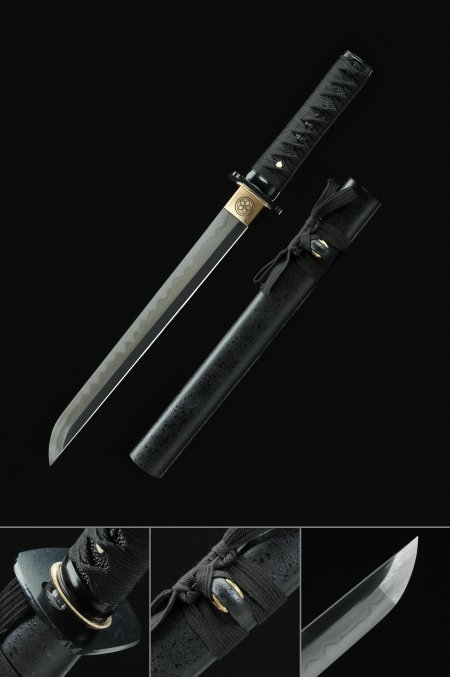
The presence of a real hamon indicates that the blade underwent differential clay tempering, which creates a harder edge zone and a tougher, more flexible spine. This heat treatment process does produce a blade with a genuinely hard cutting edge — measurably harder than uniformly through-hardened or unhardened steel. However, sharpness as a collector sees it is as much about the grind geometry and finishing polish as the steel hardness itself. A tanto with a real hamon has undergone a more labor-intensive production process and carries greater metallurgical authenticity, which is the primary value for collectors. The visible hamon activity — its shape, activity, and brightness — is considered a measure of the smith's skill and is a central criterion in traditional Japanese blade appraisal.