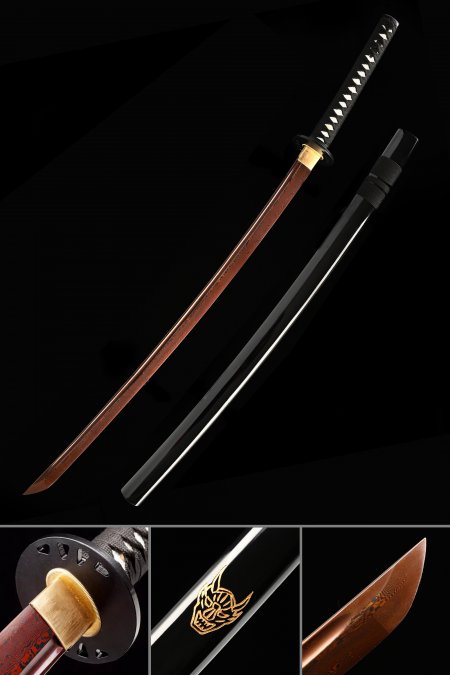
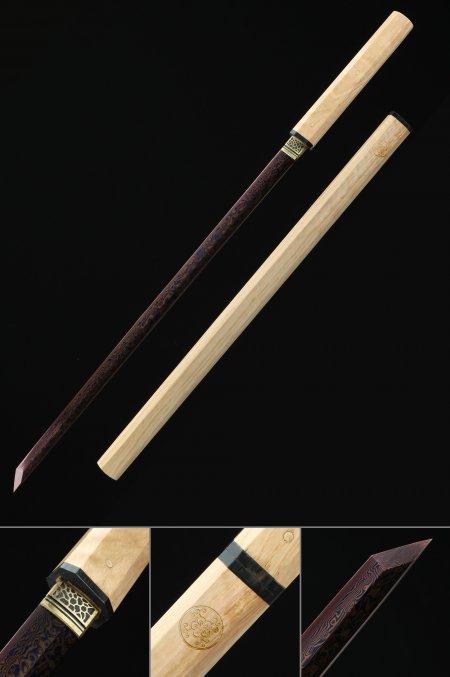
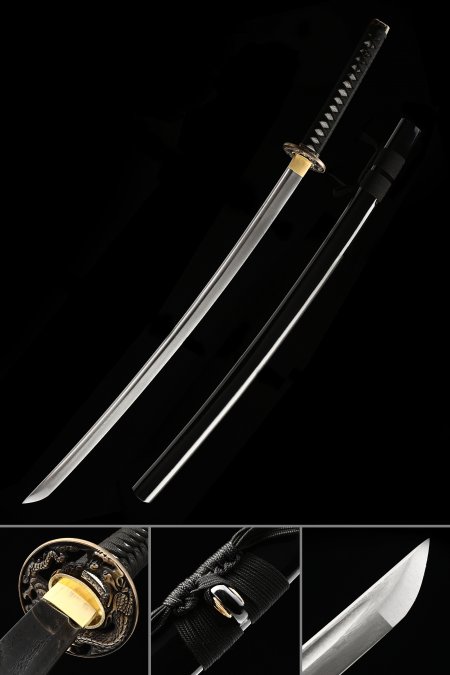
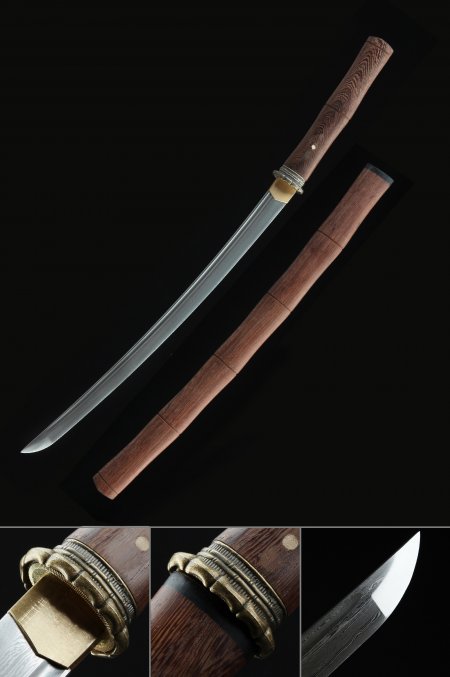
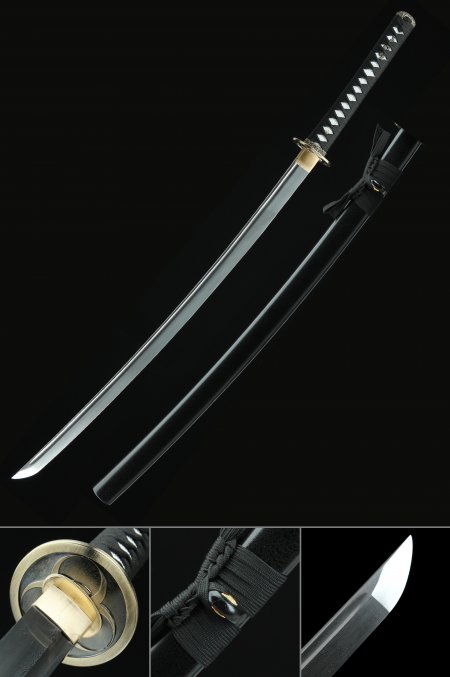
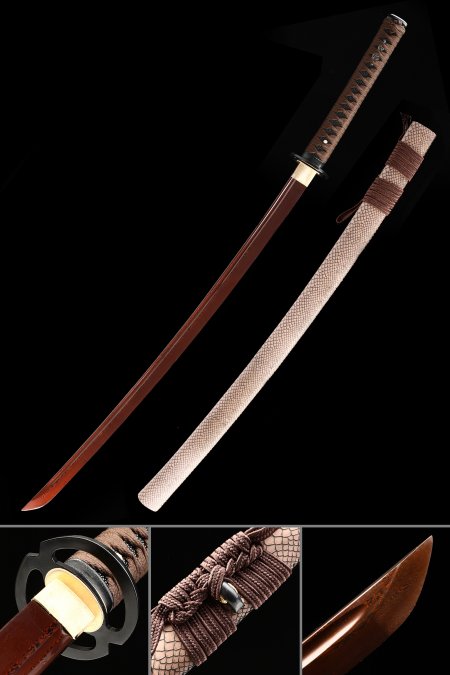
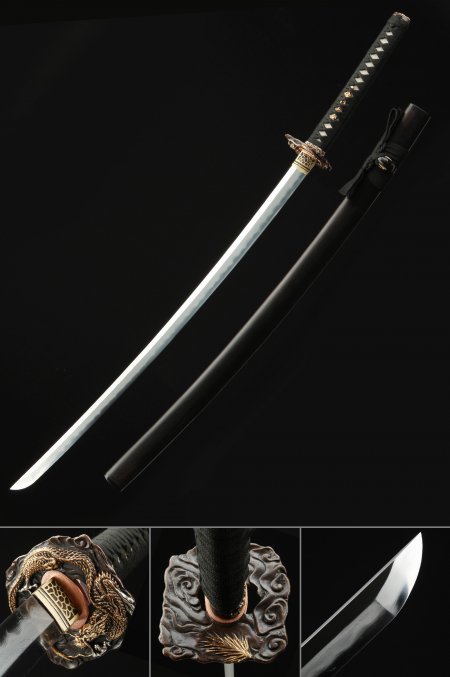
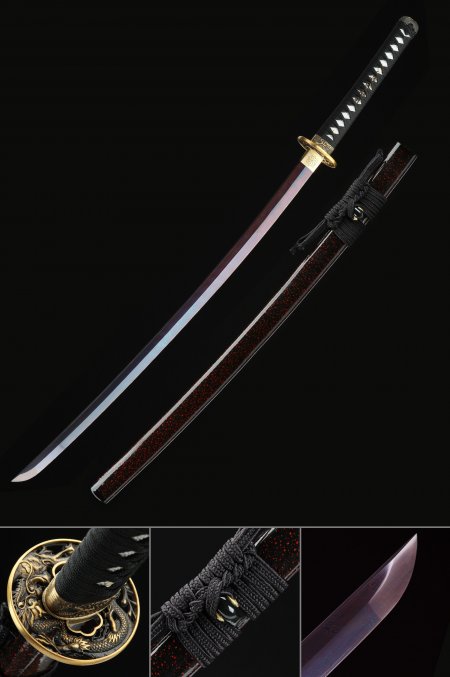
How is Damascus steel pattern formed on these blades?
Updated Mar 2026
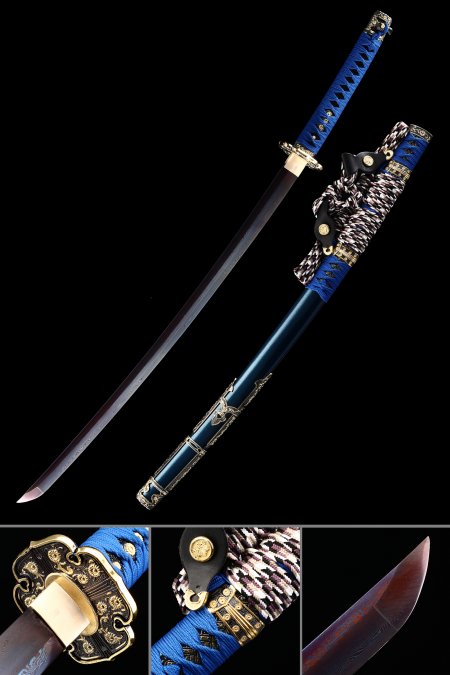
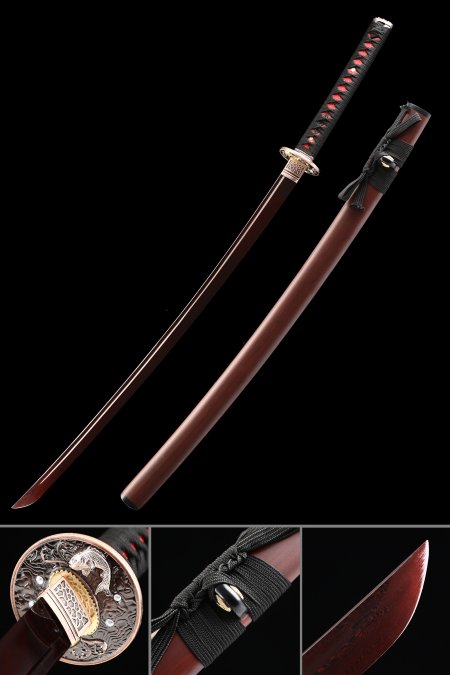
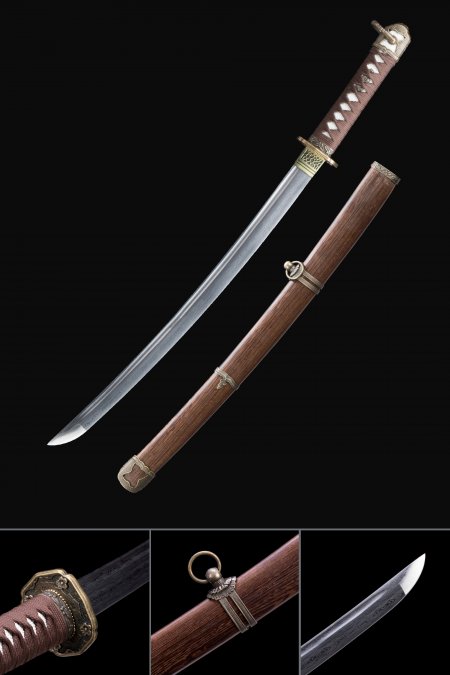
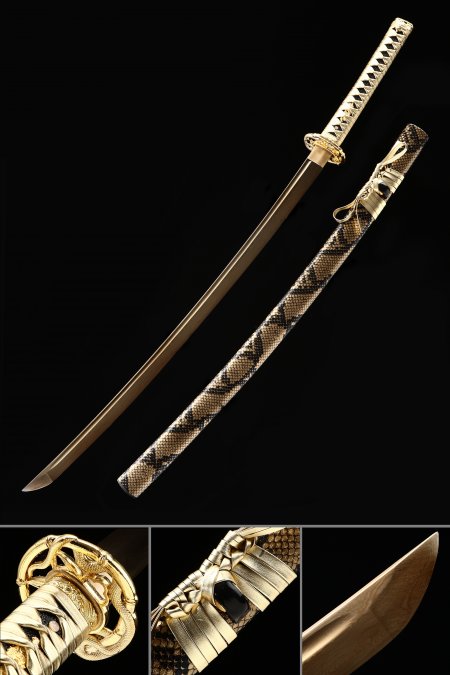
Pattern-welded Damascus is produced by forge-welding two or more types of steel with different carbon content into a single billet, then repeatedly folding, drawing, and manipulating that billet under heat. The alternating steel types etch at different rates when the finished blade is exposed to an acidic solution, revealing the layered grain as light and dark bands. The specific visual pattern - whether flowing water grain, ladder, or twist - is determined by how the smith manipulates the billet between folding cycles. Because each step involves direct hand-forging rather than machine rolling, the grain on every blade is genuinely unique. The black finish treatment common to this collection provides a darkened field that allows the etched Damascus pattern to read with strong visual contrast.