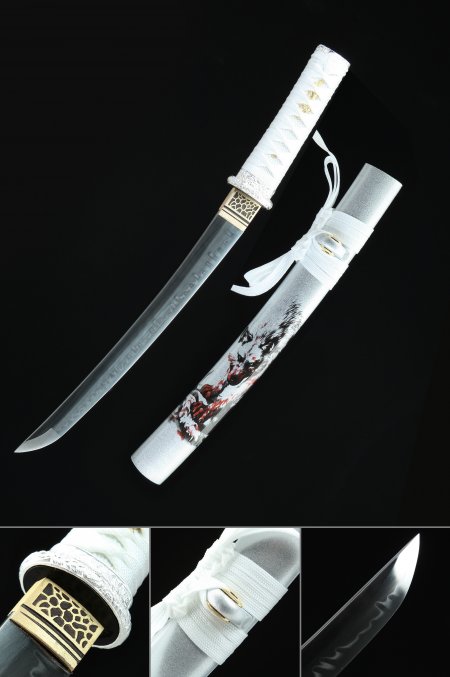
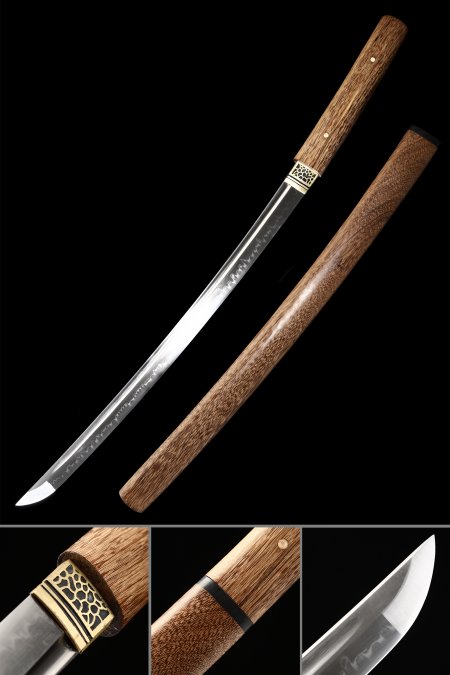
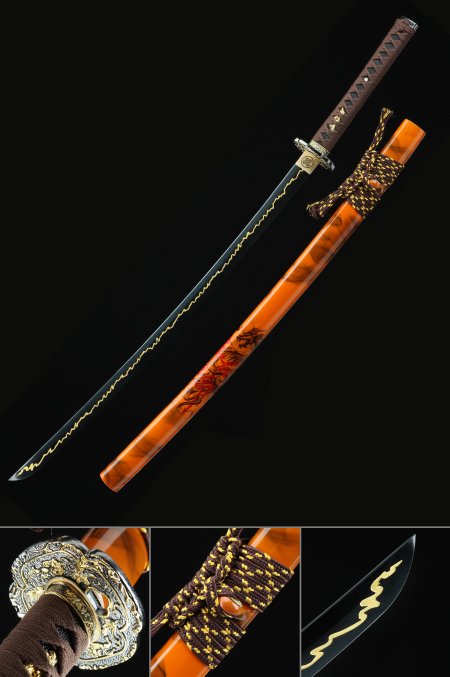
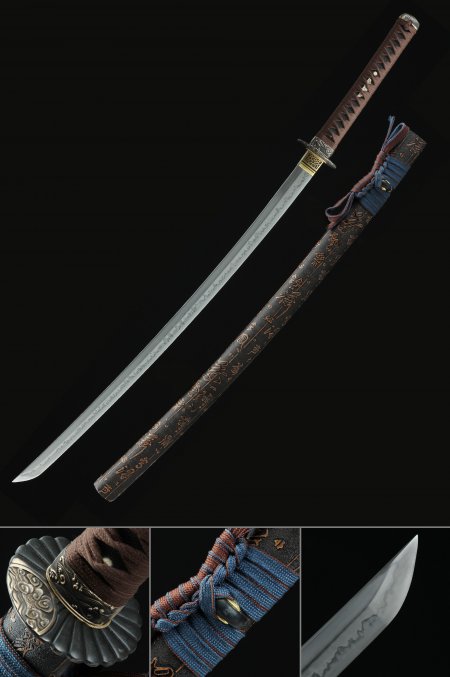
Is a real hamon purely decorative, or does it indicate something about the steel?
Updated Mar 2026
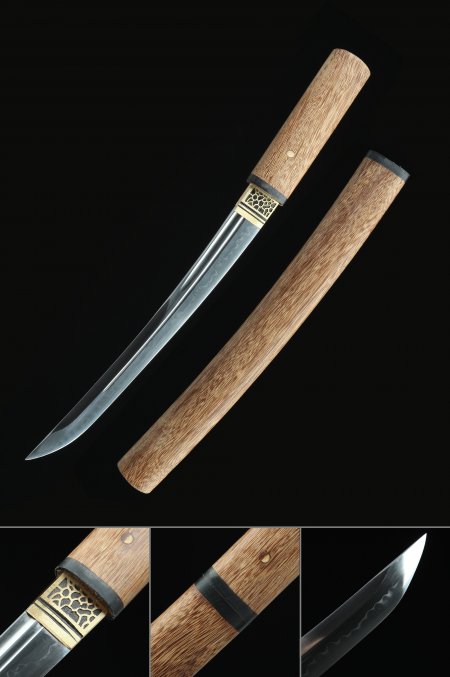
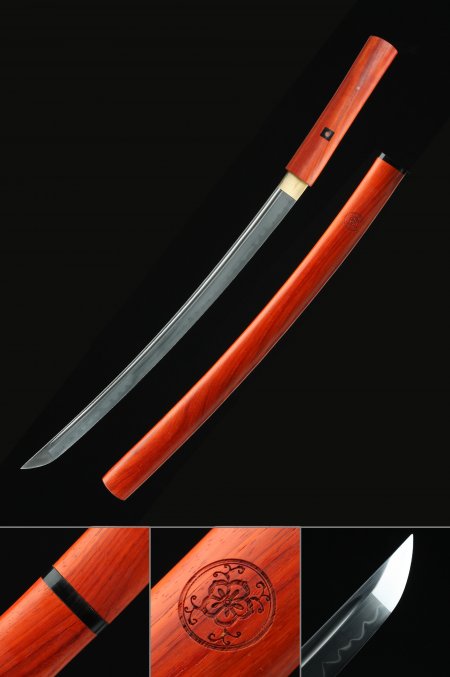
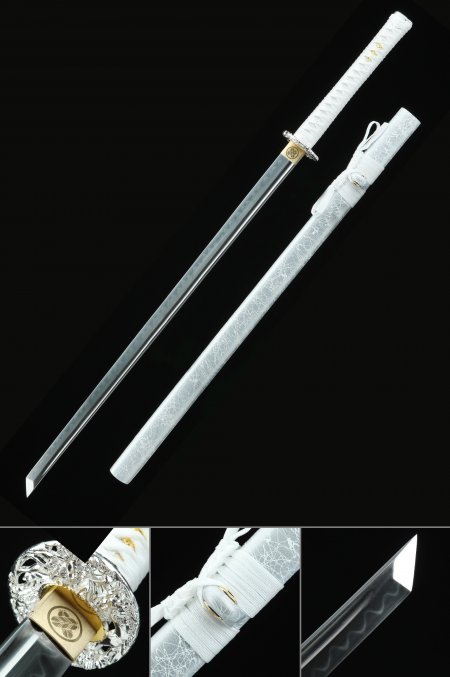
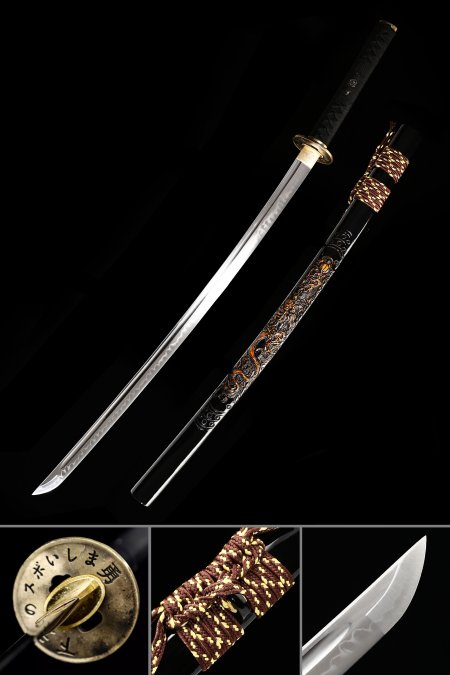
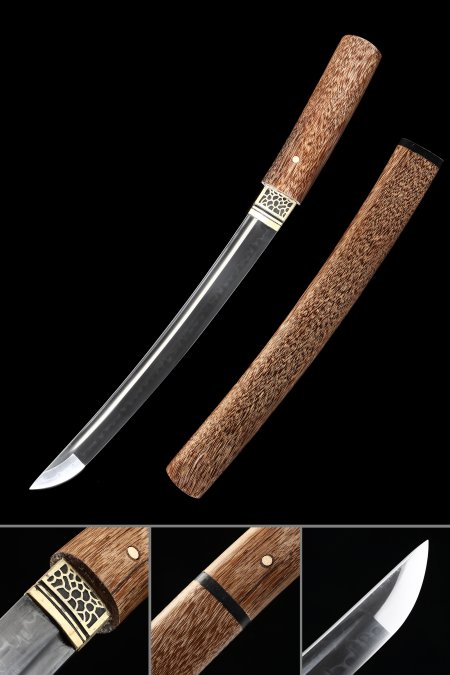
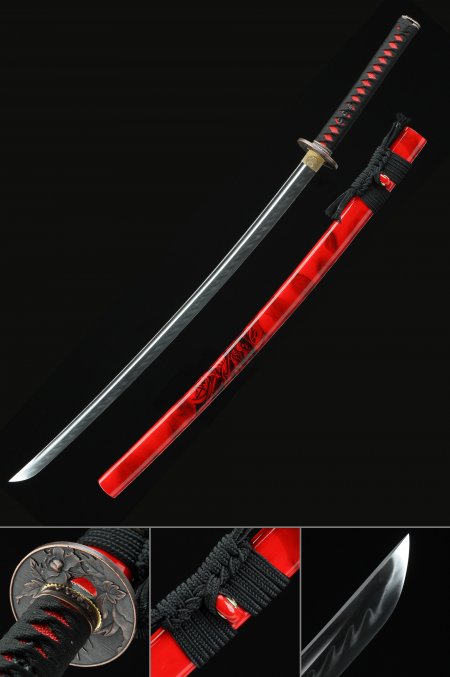
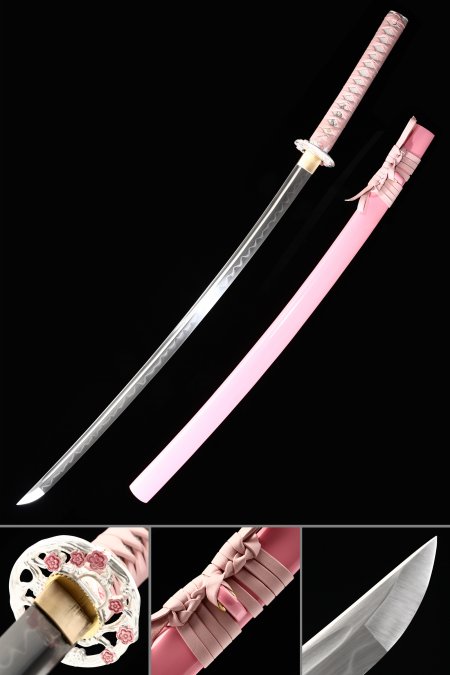
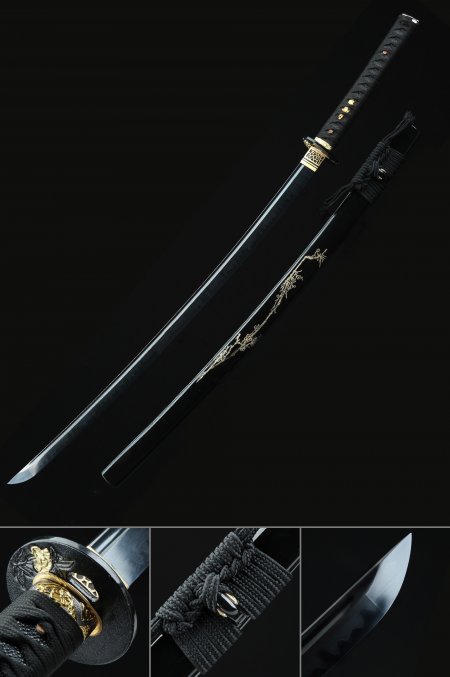
A real hamon — as opposed to an acid-etched or polished-in simulation — is direct physical evidence of differential hardening. During the traditional clay-tempering process, the smith applies a layer of refractory clay along the spine and sides of the blade before the hardening quench. The clay-coated areas cool more slowly, remaining relatively softer, while the exposed edge cools rapidly and hardens into a martensitic structure. The boundary between these two zones is the hamon, and under proper lighting it displays activity — nie (coarse martensite crystals), nioi (fine haze), and various classical formations like notare or gunome. When shopping for a collectible katana, a real hamon on T10 or folded steel is a reliable indicator that the blade received genuine heat treatment rather than surface decoration alone.