How does 1095 carbon steel compare to 1045 in a ninjato?
Updated Mar 2026
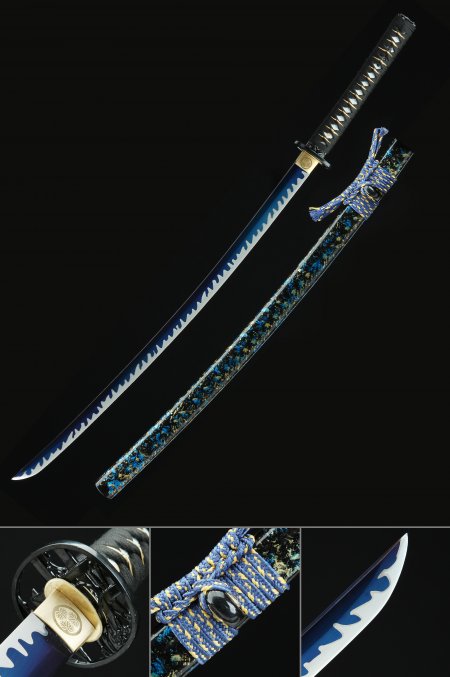
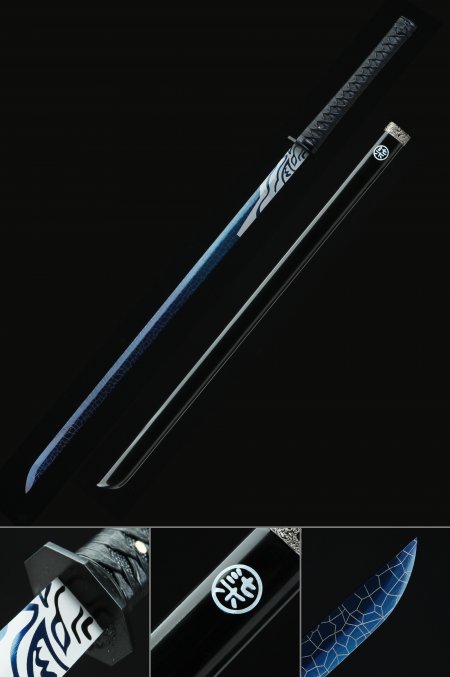
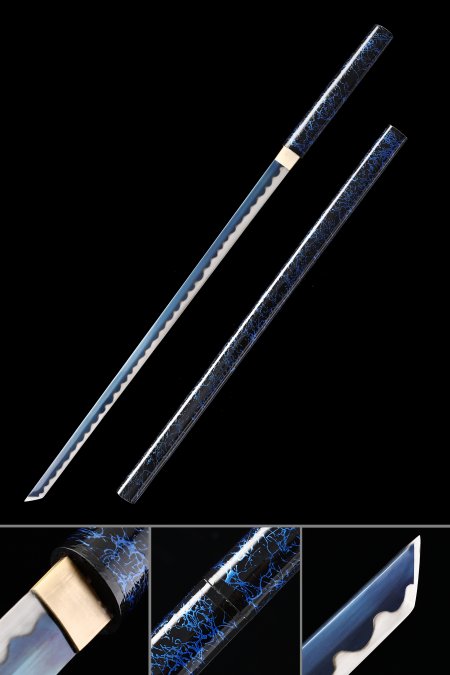
The key difference is carbon content. 1045 steel sits at approximately 0.45% carbon, which produces a blade that is relatively tough and forgiving - well suited to practice and handling. 1095 steel, at around 0.95% carbon, achieves a significantly higher potential hardness when properly heat-treated, which translates to a more refined edge and better edge retention over time. For a collectible ninjato displayed and occasionally handled, 1095 offers a more premium material profile and responds more dramatically to differential heat treatment, which is part of why it pairs so effectively with the blue-finishing process. The trade-off is that higher-carbon steel is somewhat more susceptible to rust if neglected, so storage in a dry environment with periodic oil application is important. Collectors who prioritize material quality and blade character over casual durability consistently favor 1095.