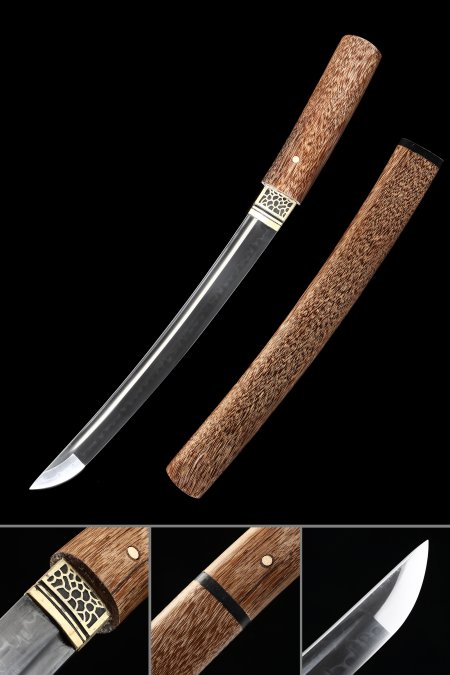
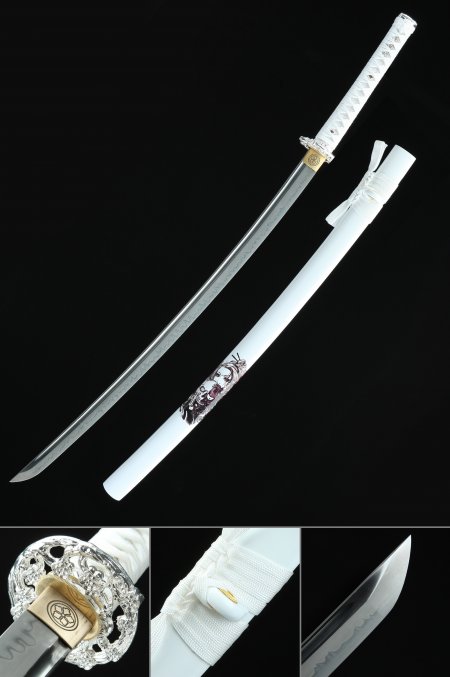
How does clay tempering create the hamon on a T10 tanto?

 Updated Mar 2026

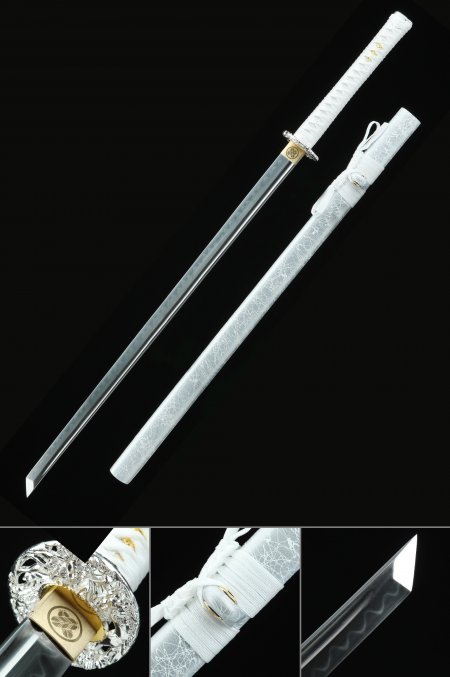
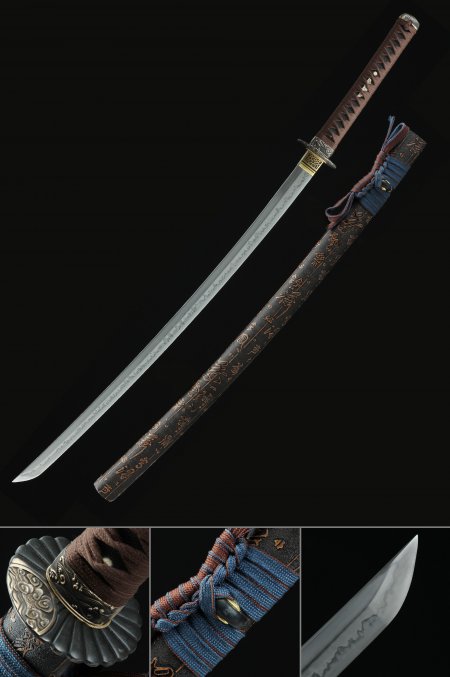
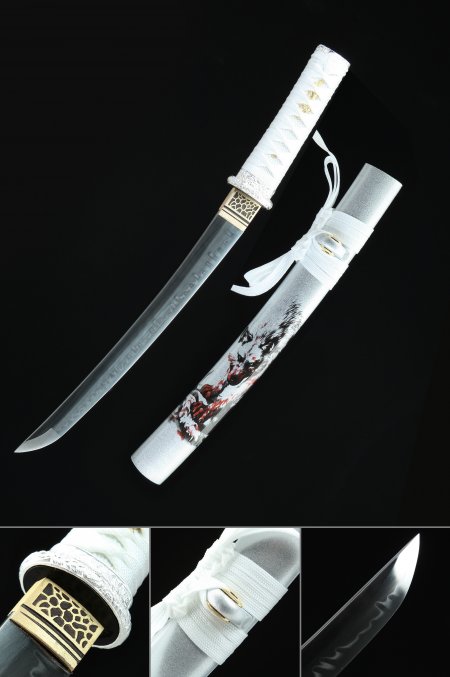
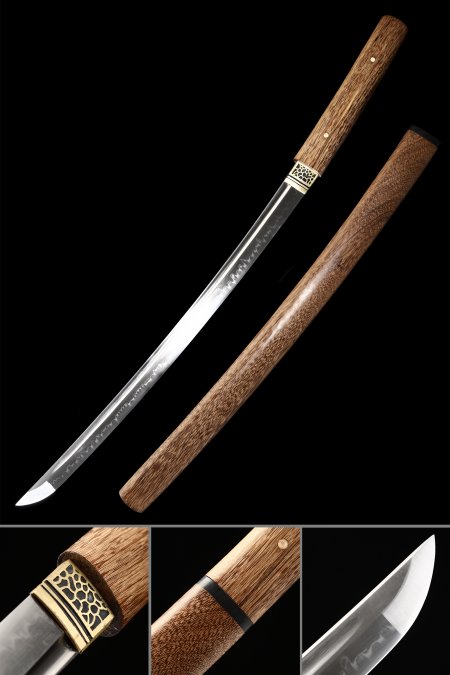
Clay tempering — known as tsuchioki in Japanese smithing tradition — involves coating the back and sides of the blade with a clay mixture before the final heat treatment, leaving the edge area exposed or more thinly coated. When the blade is quenched in water or oil, the unprotected edge cools rapidly, forming a hard crystalline structure called martensite, while the clay-insulated spine cools more slowly and remains comparatively tough. The boundary between these two zones appears as the hamon: a visible, often undulating line that runs along the length of the blade. On T10 steel, which has a relatively high carbon content, this process produces a sharp, well-defined hamon that is prized both for its aesthetic quality and as proof of authentic differential heat treatment — distinguishing it from acid-etched imitations.
Popular Products

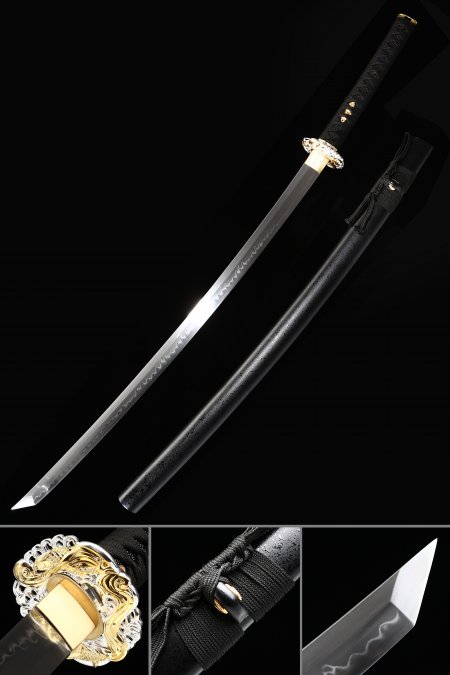
15% OFFblack katana
199.00 USD
229.00 USD
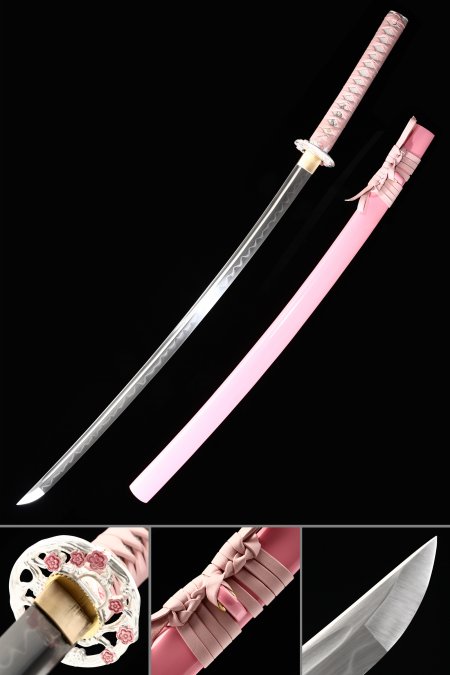
15% OFFpink katana
189.00 USD
219.00 USD
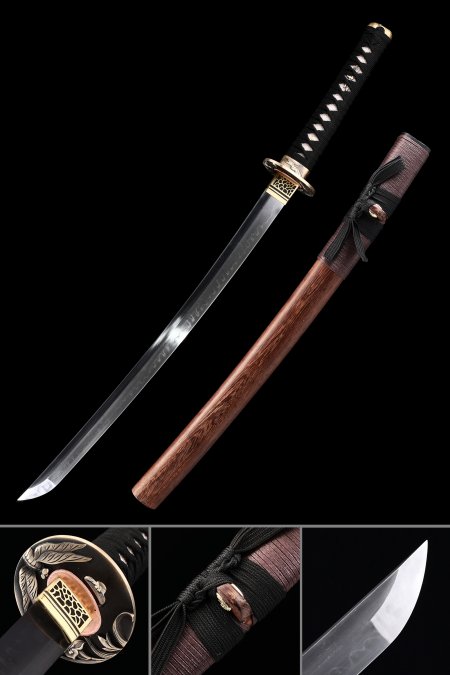
20% OFFwakizashi sword
219.00 USD
279.00 USD
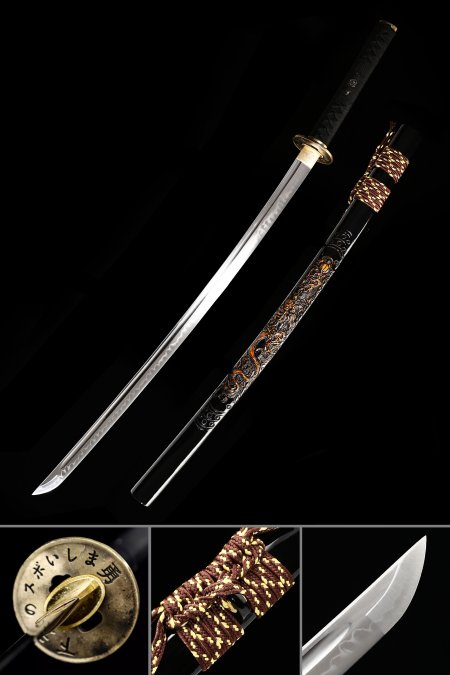
20% OFFjapanese katana
209.00 USD
259.00 USD
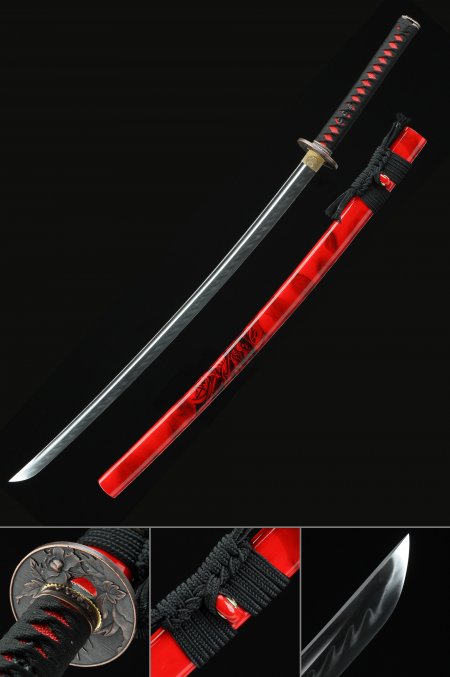
15% OFFred katana
199.00 USD
229.00 USD
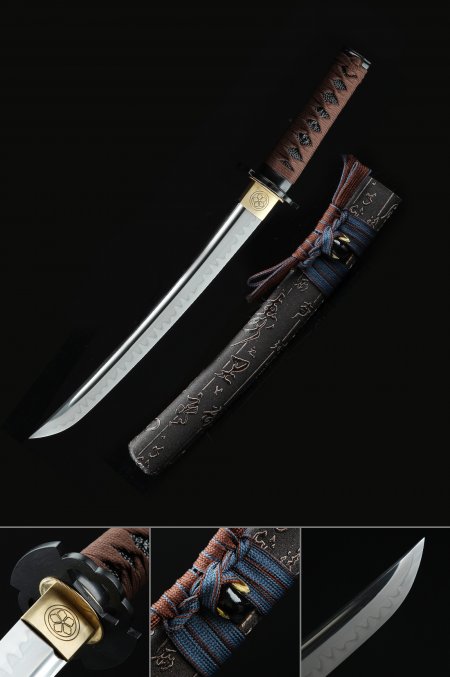
15% OFFtanto sword
179.00 USD
209.00 USD
20% OFFchokuto sword
159.00 USD
199.00 USD
20% OFFfull tang katana
319.00 USD
399.00 USD
15% OFFtanto sword
149.00 USD
179.00 USD
20% OFFshirasaya wakizashi
179.00 USD
219.00 USD
15% OFFshirasaya tanto
149.00 USD
179.00 USD
15% OFFwhite katana
209.00 USD
249.00 USD
15% OFFblack katana
199.00 USD
229.00 USD
15% OFFpink katana
189.00 USD
219.00 USD
20% OFFwakizashi sword
219.00 USD
279.00 USD
20% OFFjapanese katana
209.00 USD
259.00 USD
15% OFFred katana
199.00 USD
229.00 USD
15% OFFtanto sword
179.00 USD
209.00 USD
20% OFFchokuto sword
159.00 USD
199.00 USD
20% OFFfull tang katana
319.00 USD
399.00 USD
15% OFFtanto sword
149.00 USD
179.00 USD
20% OFFshirasaya wakizashi
179.00 USD
219.00 USD
15% OFFshirasaya tanto
149.00 USD
179.00 USD
15% OFFwhite katana
209.00 USD
249.00 USD

Explore Our Collections