How is a real hamon formed on a folded steel katana?
Updated Mar 2026
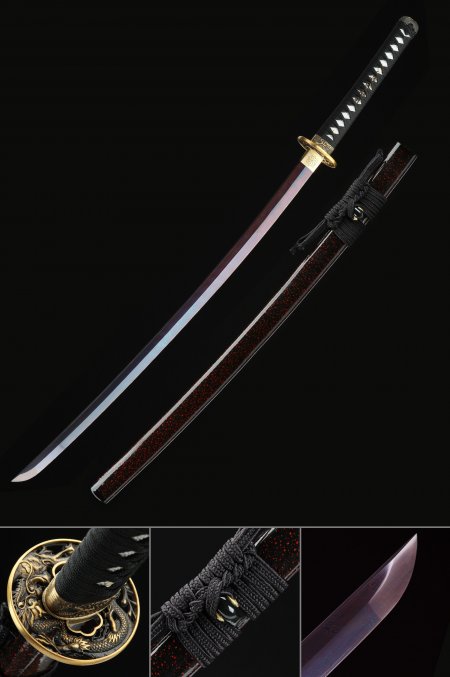
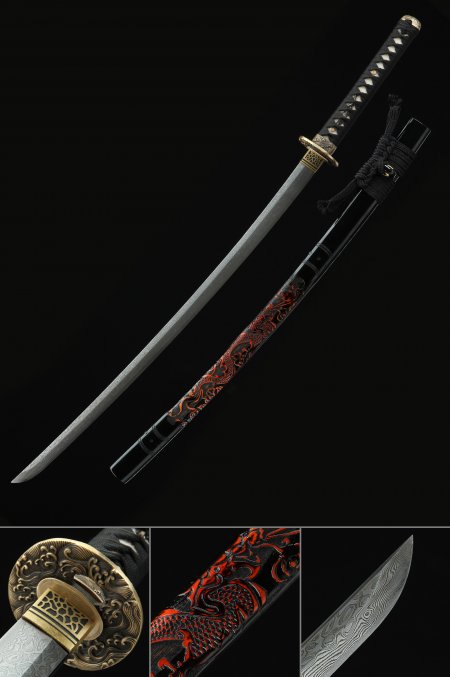
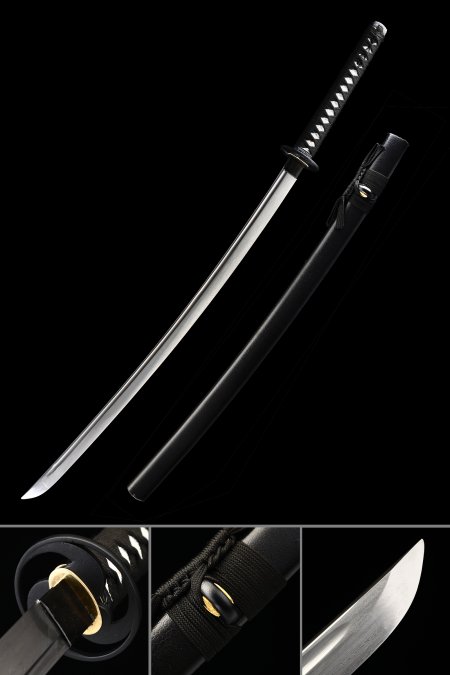
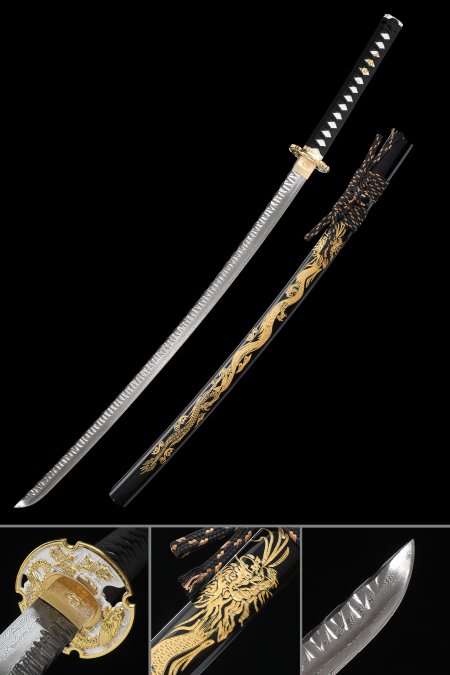
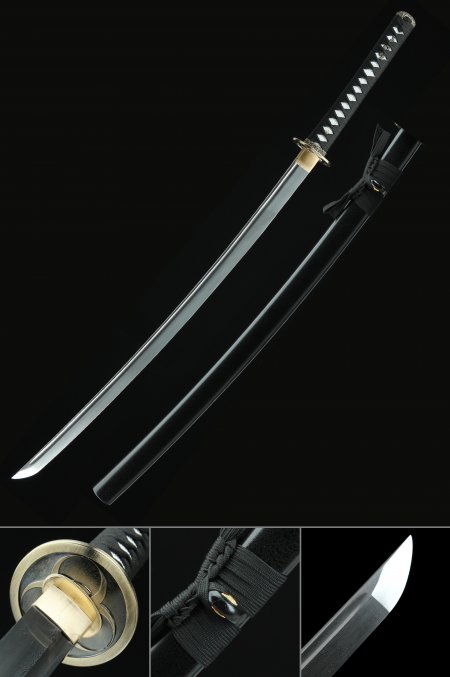
A real hamon is produced through clay tempering - a process in which the bladesmith coats the spine with a thick layer of refractory clay before the final quench. When the blade is heated and plunged into water, the clay-covered spine cools slowly while the exposed edge hardens rapidly into a crystalline structure called martensite. The boundary between these two zones becomes the hamon: a misty, irregular line that runs the length of the blade. On a genuine clay-tempered folded steel katana, the hamon is a physical structure within the steel, not a surface decoration. Examining it under a strong light at an oblique angle reveals nie - bright, sandy particles - and nioi - a soft, foggy glow - that experienced collectors use to assess the quality of the temper. No two authentic hamon are identical, which makes each blade a unique collectible artifact.