What is a real hamon and how can I tell it's authentic?
Updated Feb 2026
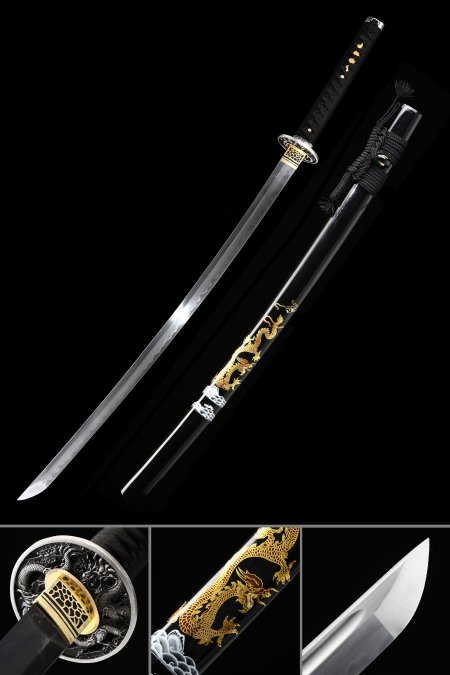
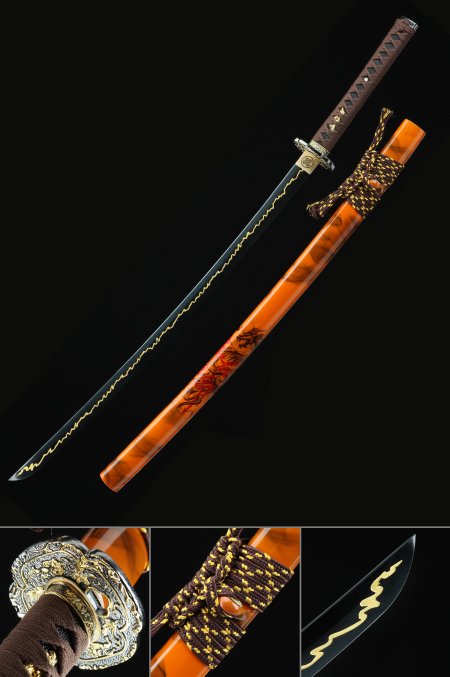
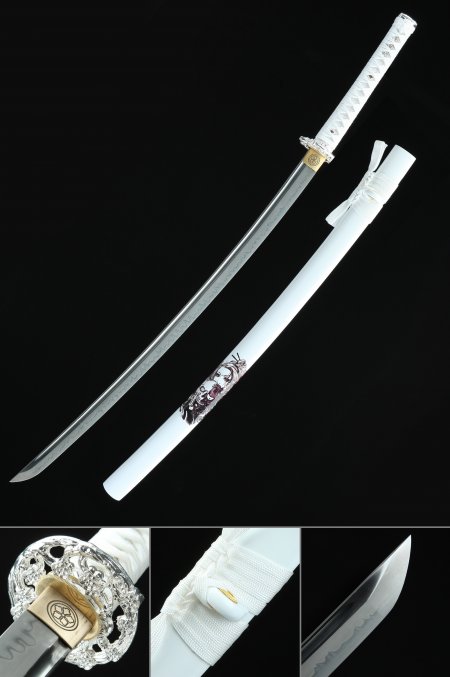
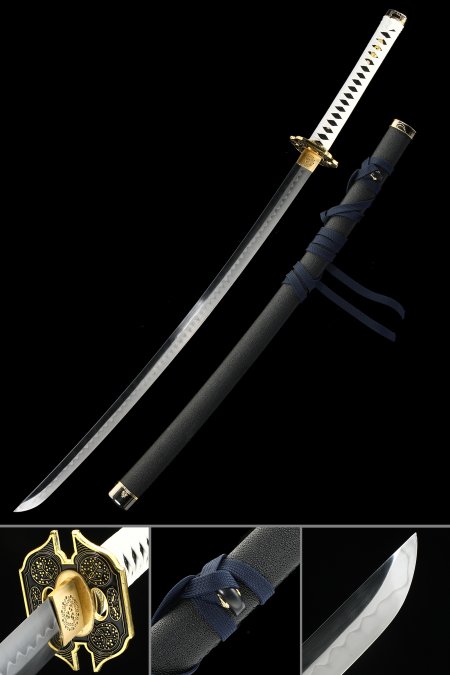
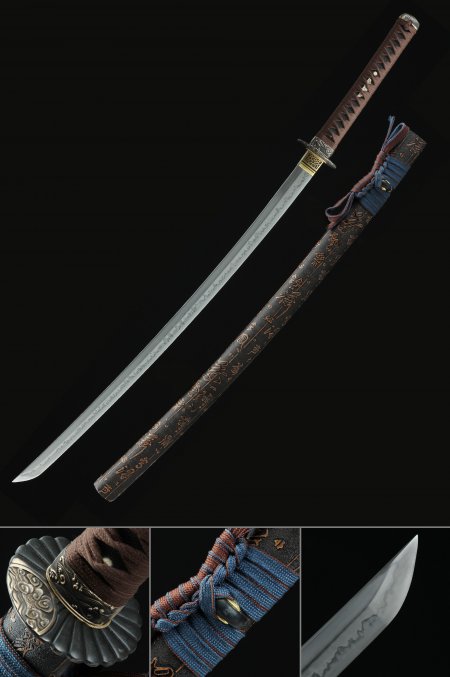
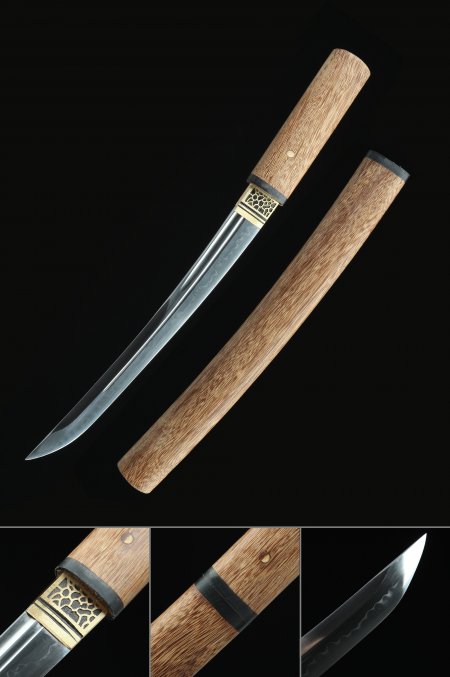
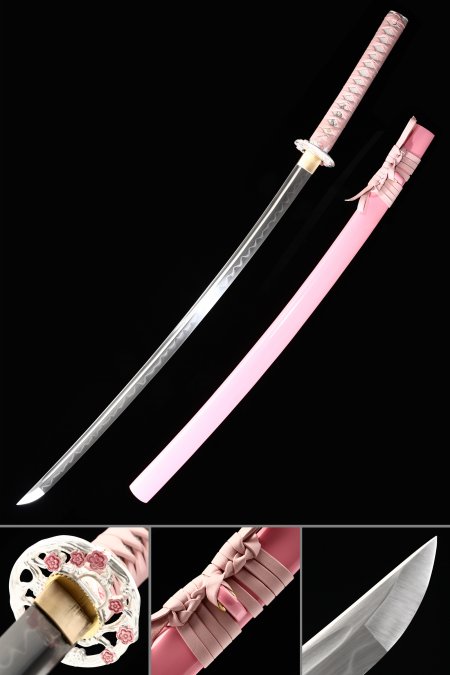
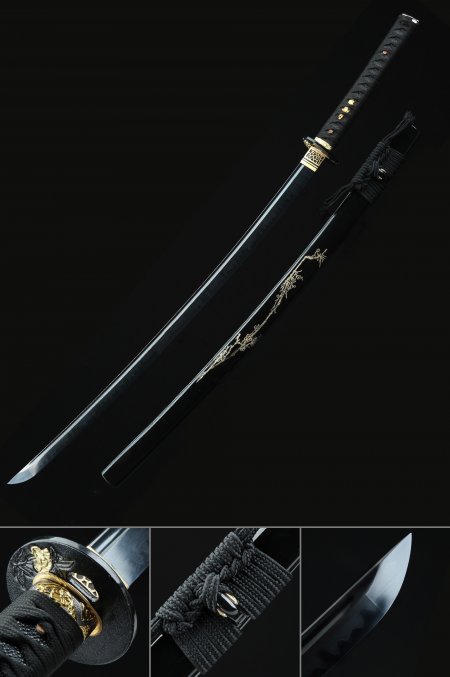
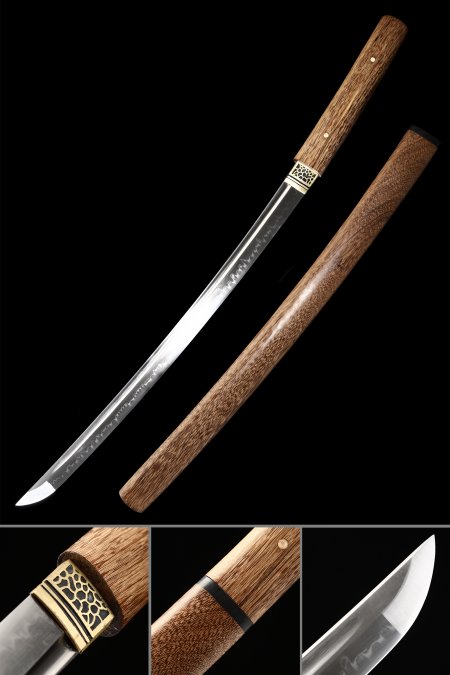
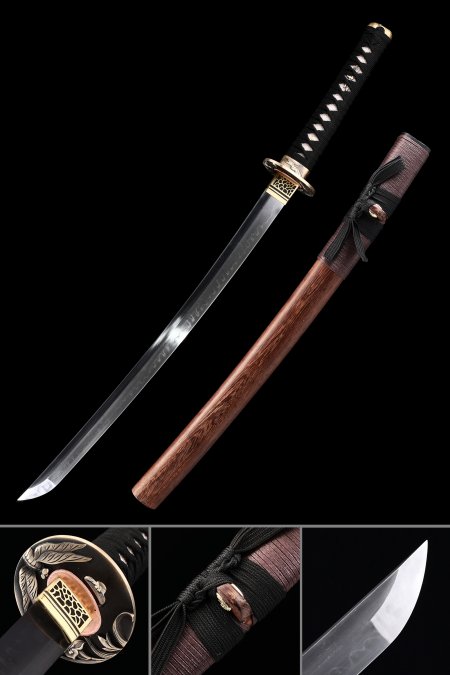
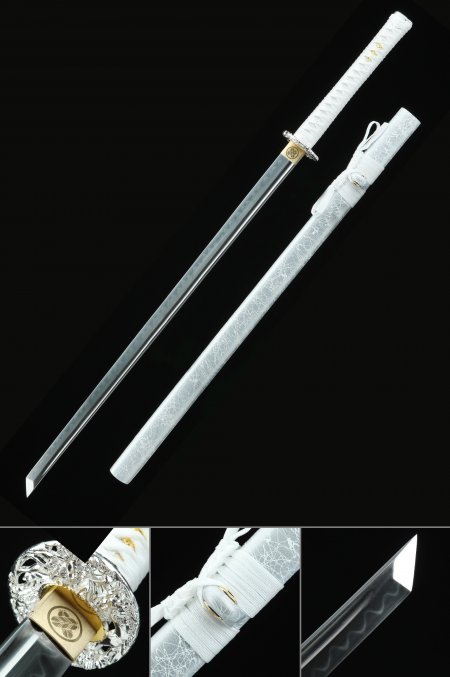
A real hamon is the visible boundary between the harder edge steel and the softer spine created during differential hardening. The swordsmith coats the spine and flats with a clay mixture, leaving the edge exposed, then heats the entire blade and quenches it. The exposed edge cools rapidly to form martensite, while the clay-insulated spine cools slowly into pearlite. This difference in crystalline structure produces a natural, slightly irregular wavy line along the blade. You can distinguish a genuine hamon from a cosmetic one by examining it closely under angled light: an authentic temper line has depth and subtle grain activity within the transition zone called the habuchi, whereas an etched or wire-brushed imitation appears flat and perfectly uniform. The T10 steel katana in this collection feature real hamon lines produced through this traditional clay-tempering process.