How does Damascus steel differ from T10 in a tanto blade?
Updated Mar 2026
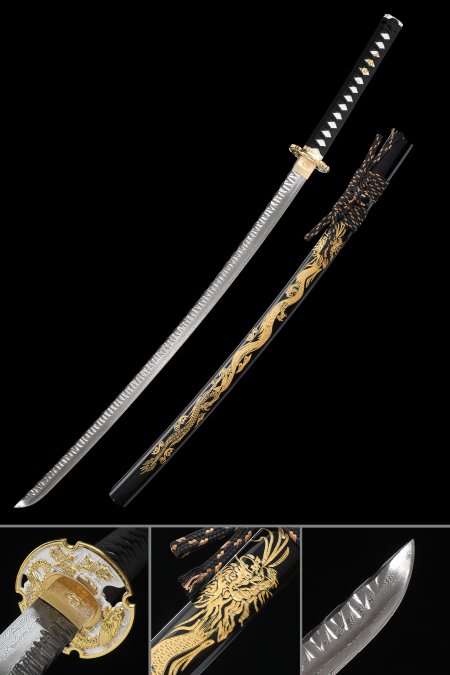
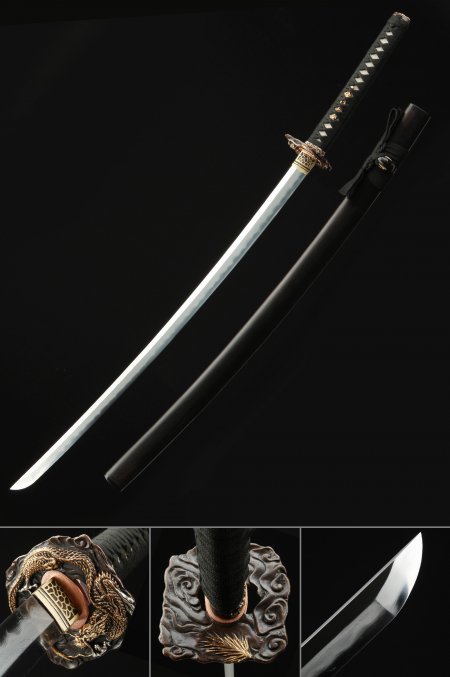
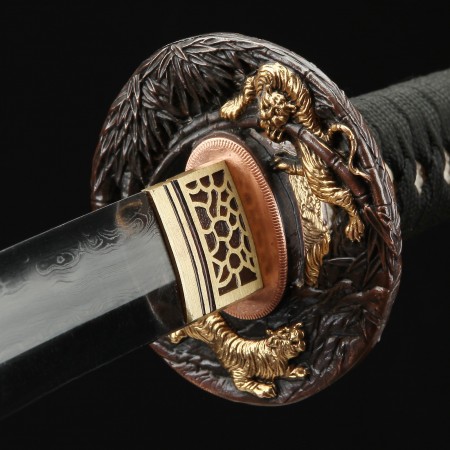
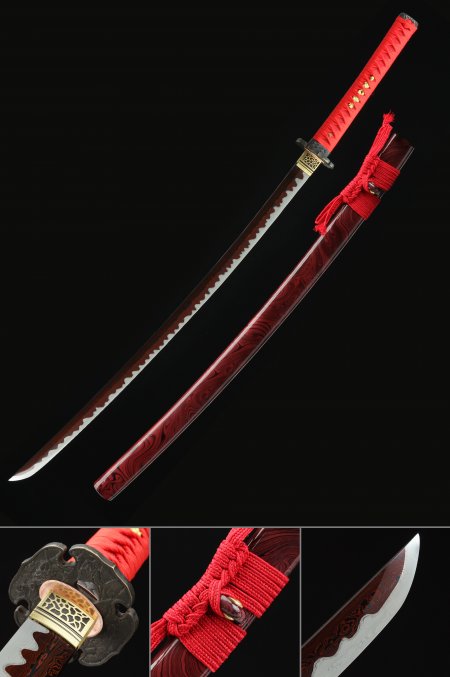
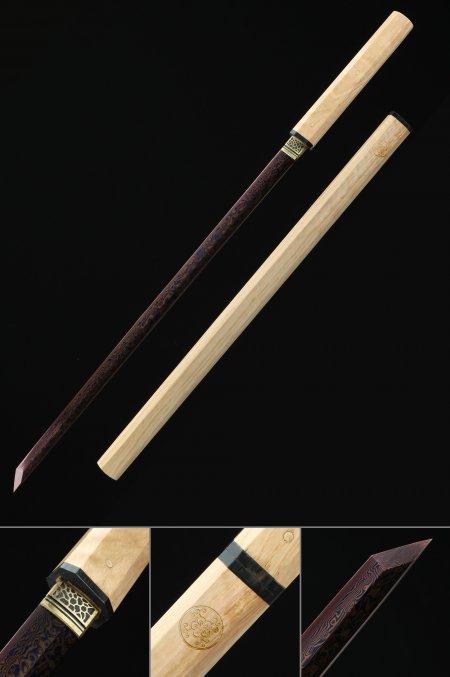
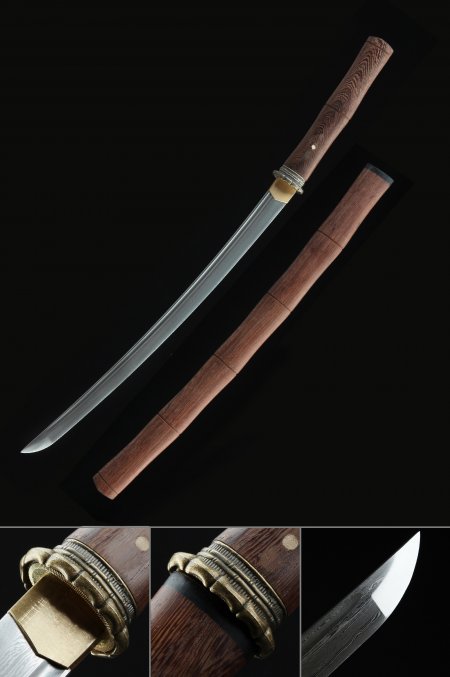
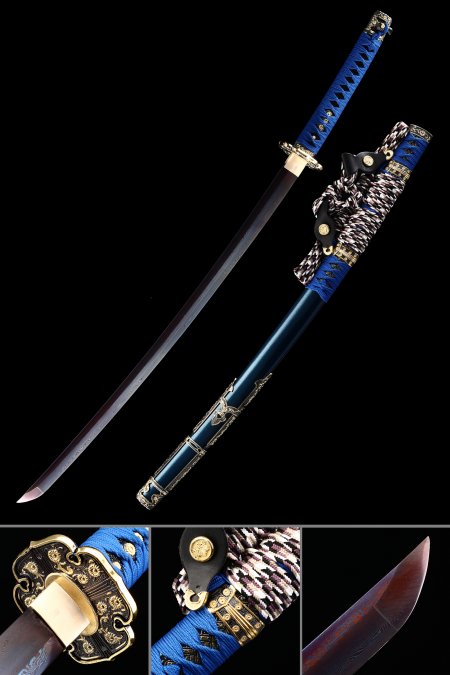
Damascus steel tanto blades are distinguished by their layered construction: two or more steel types are forge-welded together and repeatedly folded, producing the flowing surface grain called hada. Each blade emerges with a pattern that is genuinely unrepeatable, making Damascus pieces inherently individual as collectibles. The visual texture tends toward organic, swirling lines that are especially striking under directional lighting on a display stand. T10 high-carbon tool steel takes a fundamentally different approach — it is a single-composition steel prized for its fine, consistent grain and its responsiveness to differential clay hardening. When properly heat-treated, T10 develops a visible hamon (temper line) along the edge, a detail that serious Japanese sword collectors recognize as a mark of traditional craft. Damascus offers visual complexity through pattern; T10 offers historical authenticity through the hamon. Both are valid choices depending on whether your collecting priority is decorative drama or classical fidelity.