How does T10 clay-tempered steel differ from 1045 or 1060 carbon steel?
Updated Mar 2026
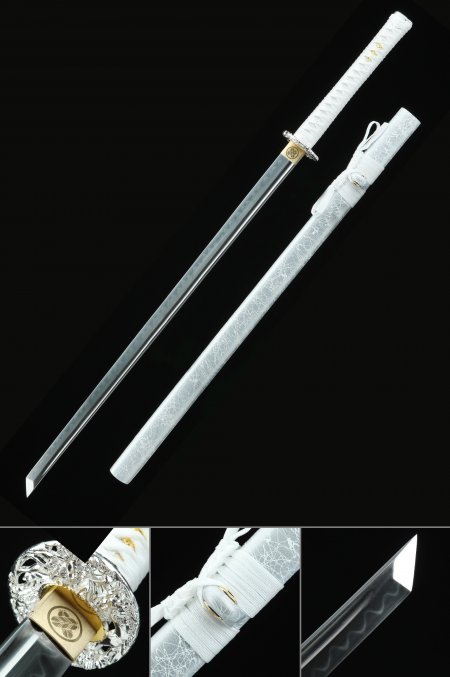
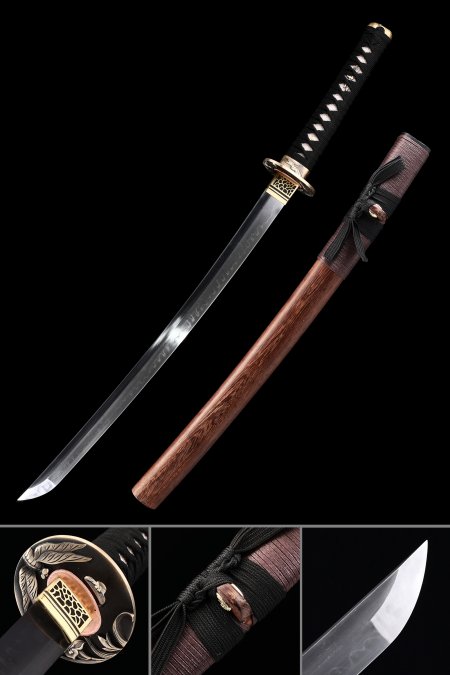
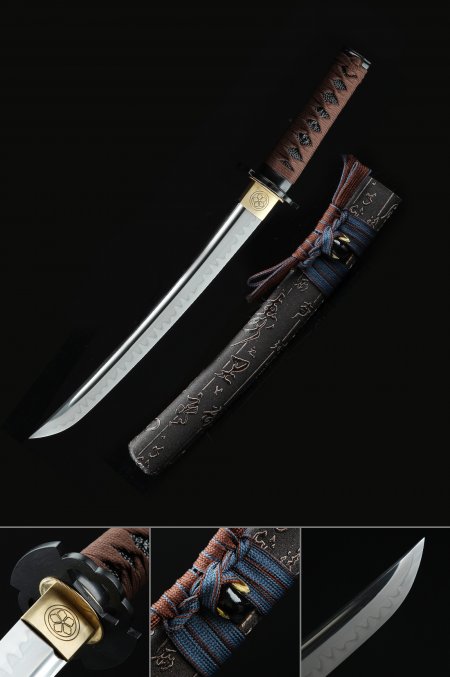
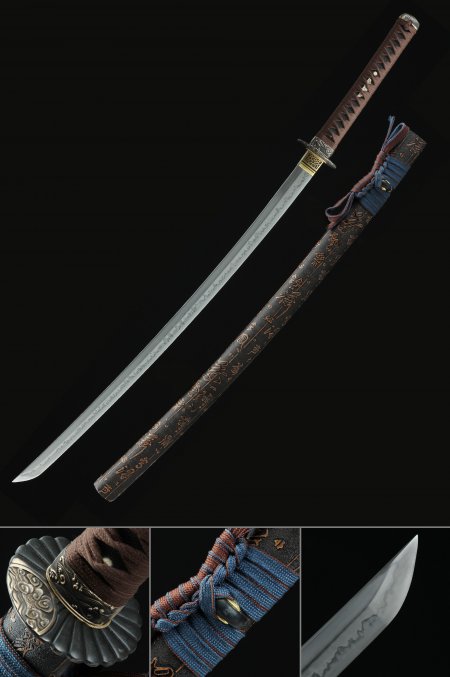
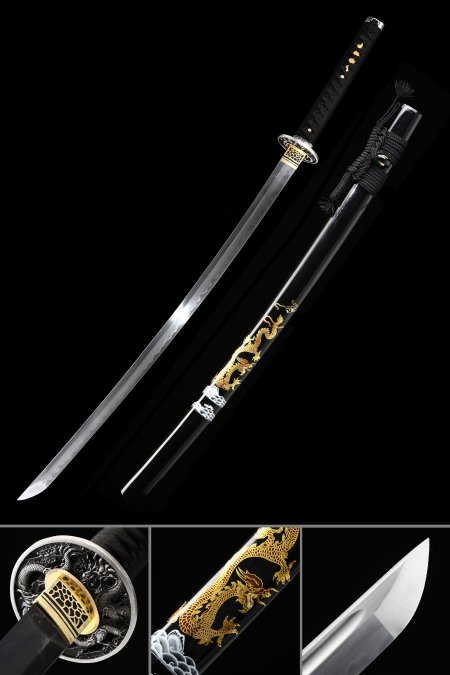
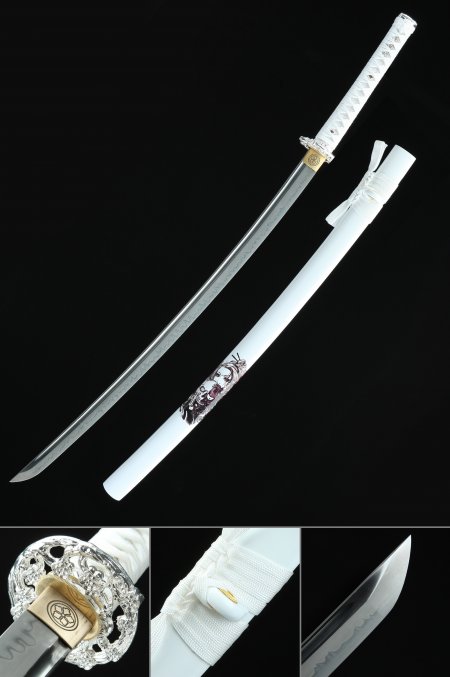
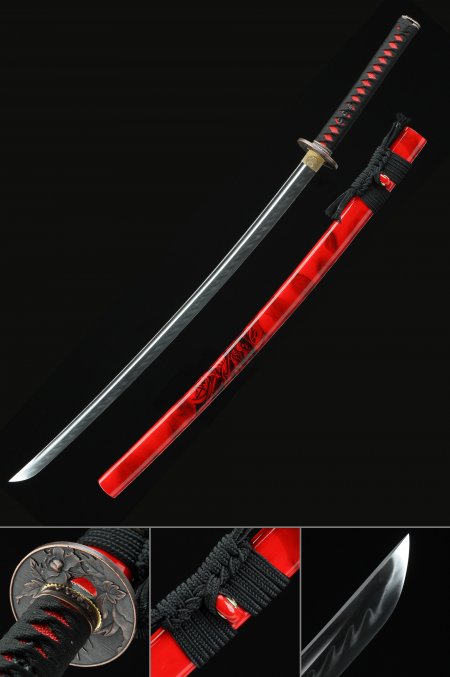
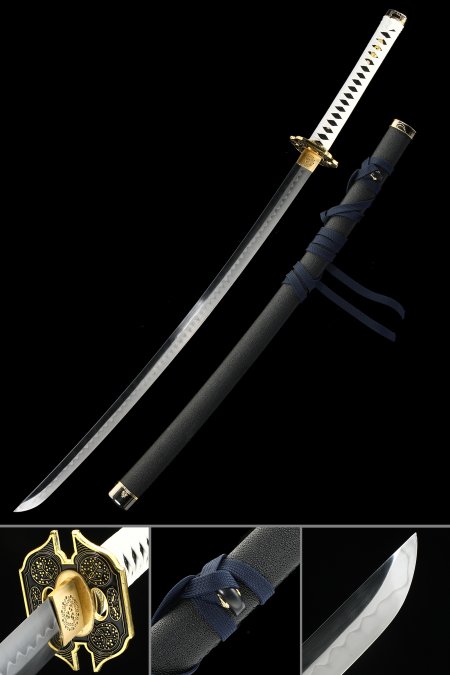
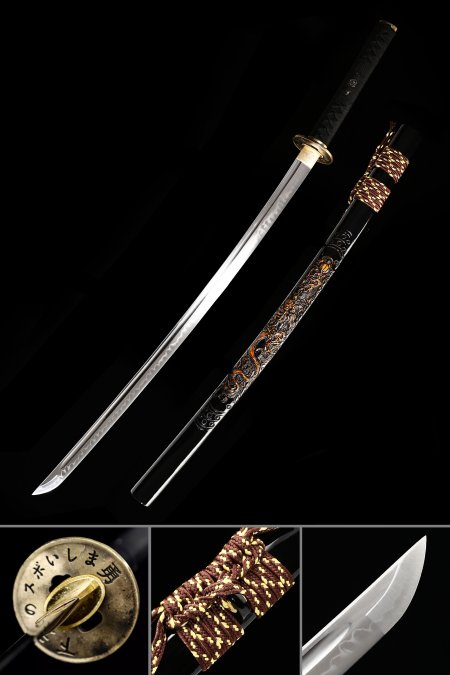
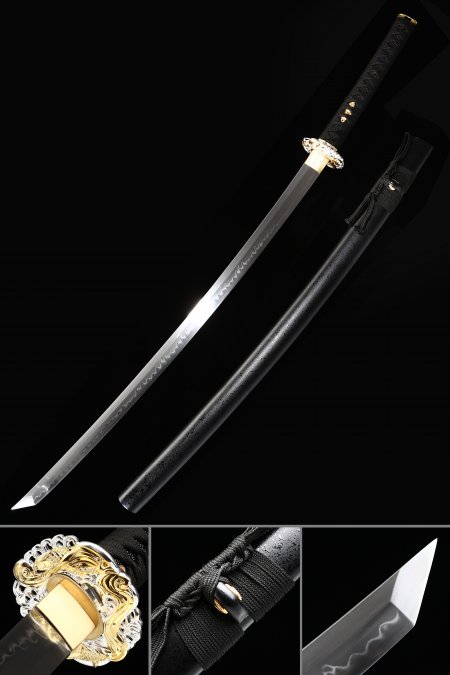
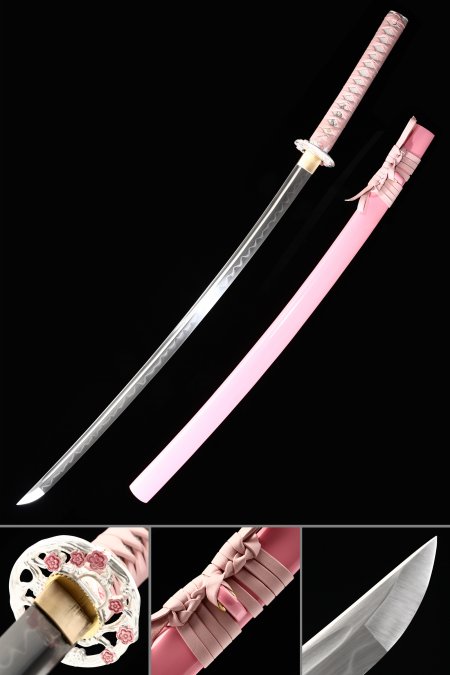
T10 is a high-carbon tool steel with a small tungsten content that improves wear resistance and edge retention compared to simpler carbon grades like 1045 or 1060. The real distinction in this collection, however, is the clay tempering process applied to T10 blades. During heat treatment, a clay slurry is applied unevenly across the blade - thicker on the spine, thinner near the edge - before quenching. This differential cooling creates a genuine hamon (temper line) and imparts a harder edge alongside a tougher, more flexible spine. 1045 steel, by contrast, is a mid-carbon grade without tungsten, typically uniformly heat-treated, and is a solid choice for decorative display at a lower price point. 1060 sits between the two in carbon content. For collectors prioritizing visible metallurgical character - a real hamon is essentially a fingerprint unique to each blade - T10 clay-tempered pieces represent a meaningful step up in both visual and material interest.