What saya finish best preserves a katana for long-term display?
Updated Mar 2026
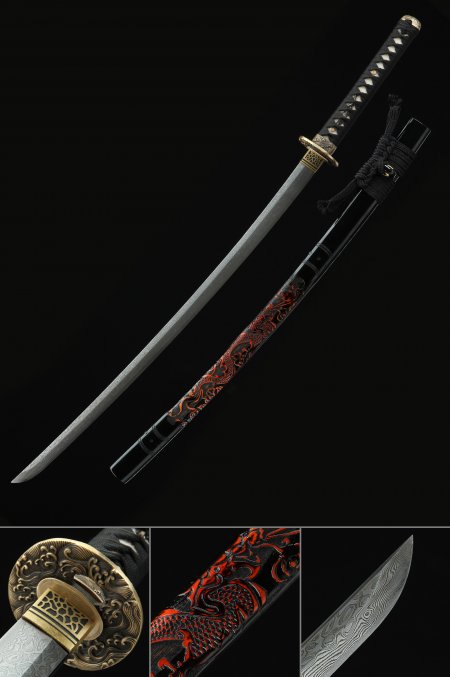
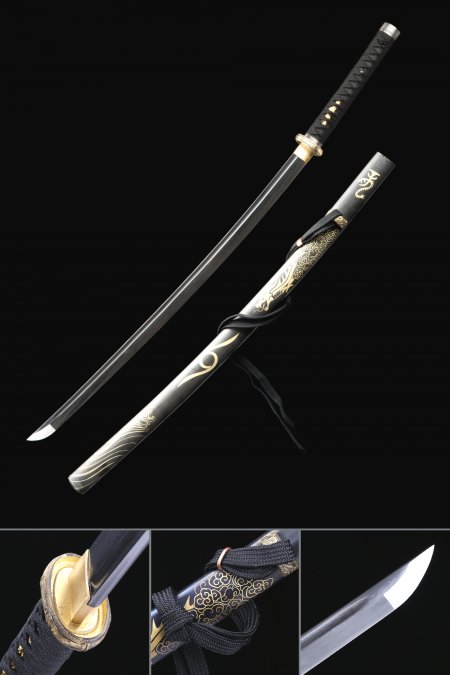
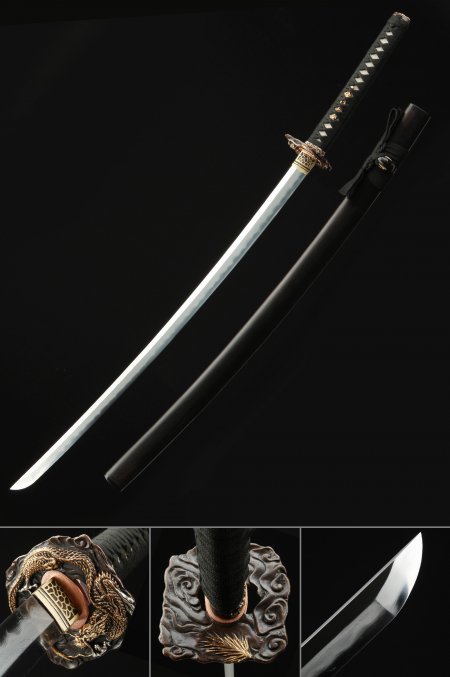
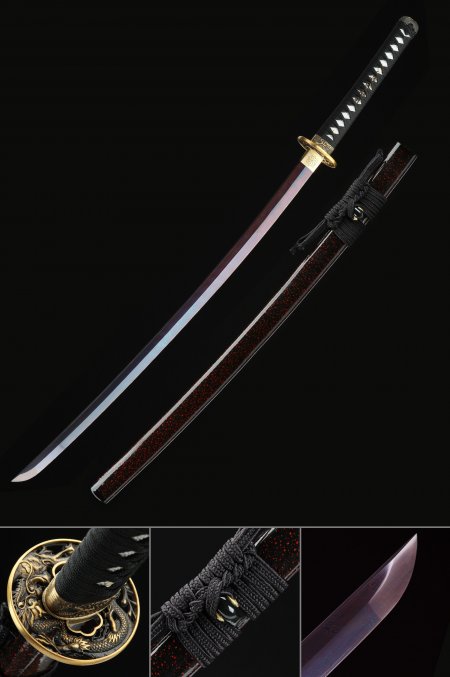
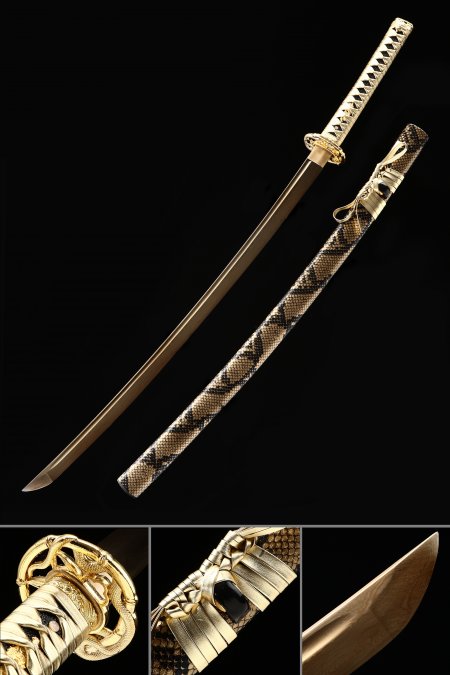
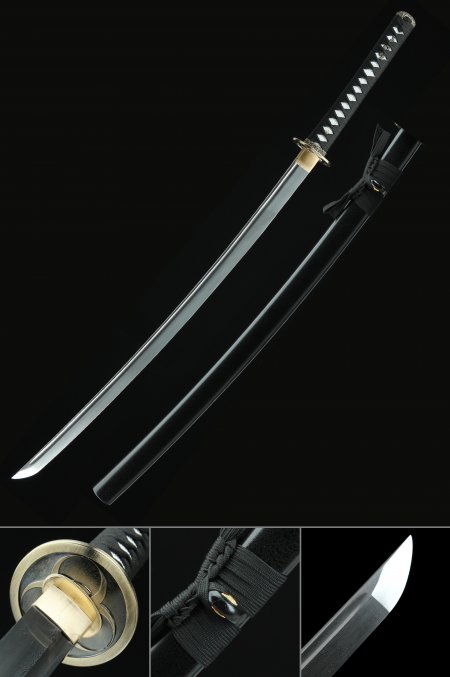
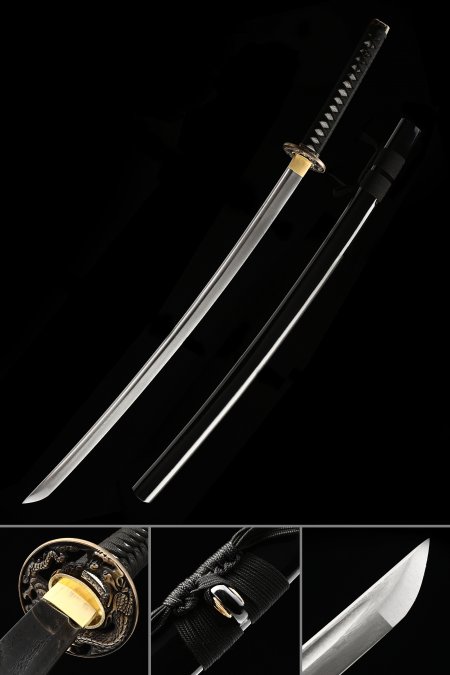
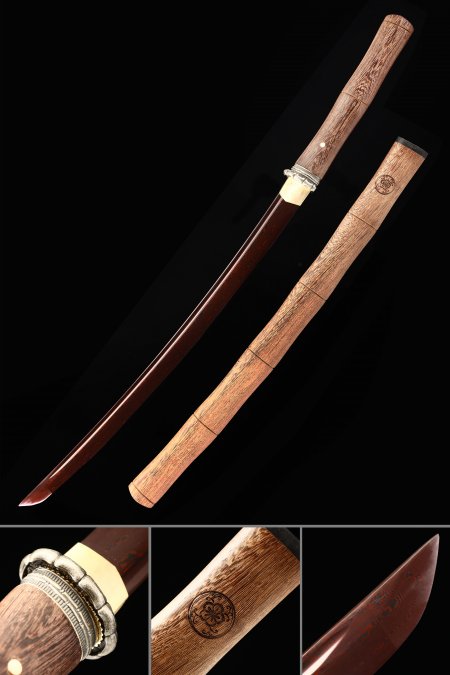
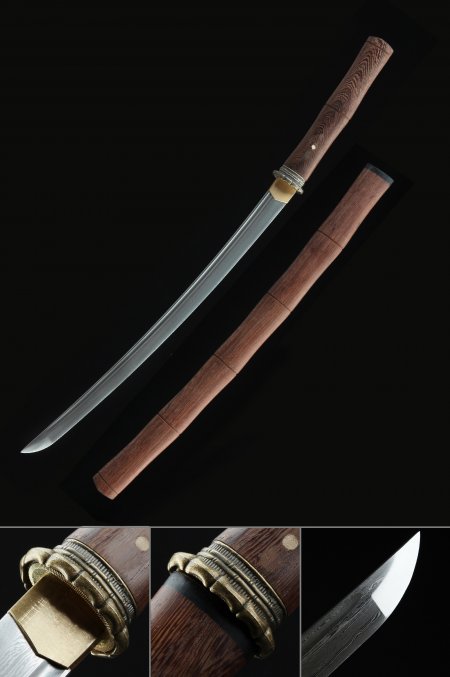
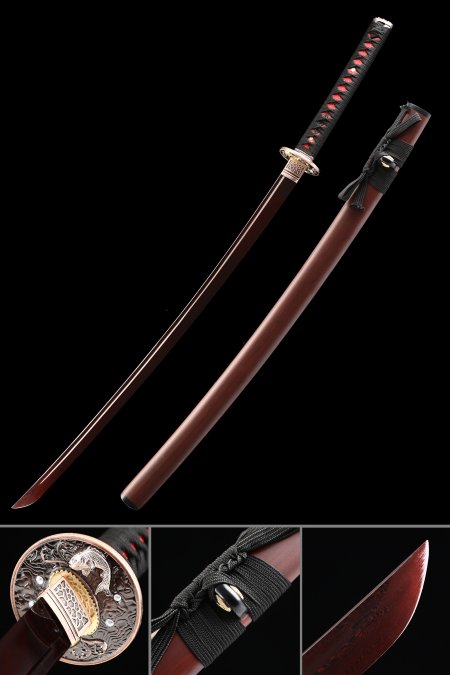
The lacquered wooden saya serves as both an aesthetic statement and a protective housing for the blade. For long-term display purposes, the finish type affects both durability and maintenance requirements. Piano lacquer finishes - available in black and deep red across this collection - offer a hard, glossy surface that resists minor abrasion and is easy to wipe clean with a soft cloth. The high-gloss surface does show fingerprints more readily, so handling should be minimized. Matte hardwood saya in black or brown are slightly more forgiving in terms of surface marks and tend to look distinguished as they develop minor handling character over years of display. The crackle-pattern lacquer saya is the most visually distinctive option, deliberately mimicking aged surfaces, and pairs well with a patinated or Damascus blade for a cohesive antique aesthetic. Regardless of finish, all saya should be stored away from direct sunlight to prevent lacquer fading, and the blade inside should be lightly oiled every six to twelve months to prevent moisture interaction with the steel.