How does 1095 steel differ from 1045 in a display katana?
Updated Mar 2026
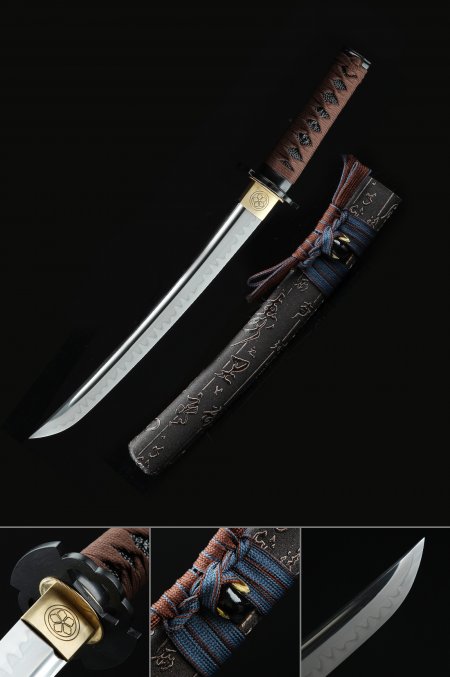
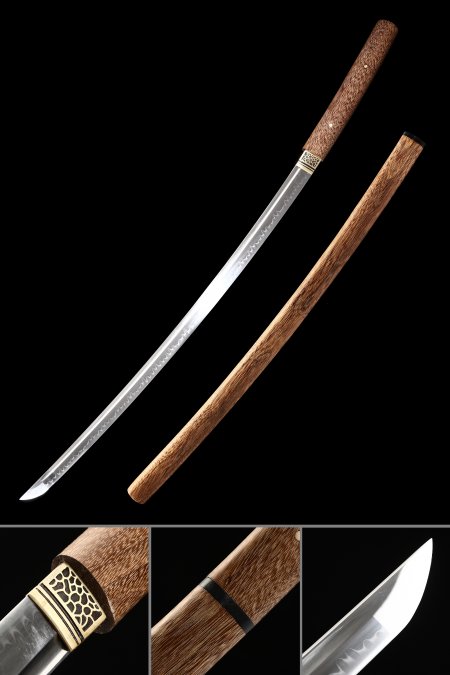
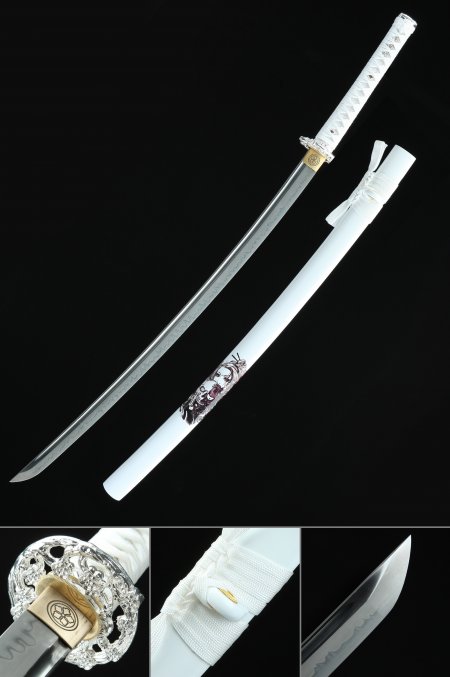
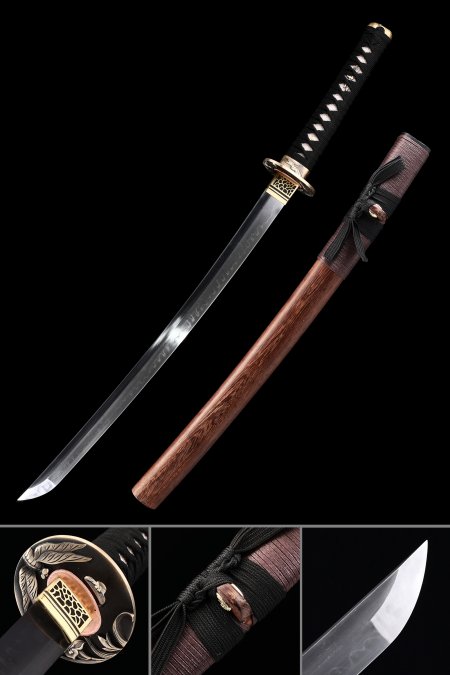
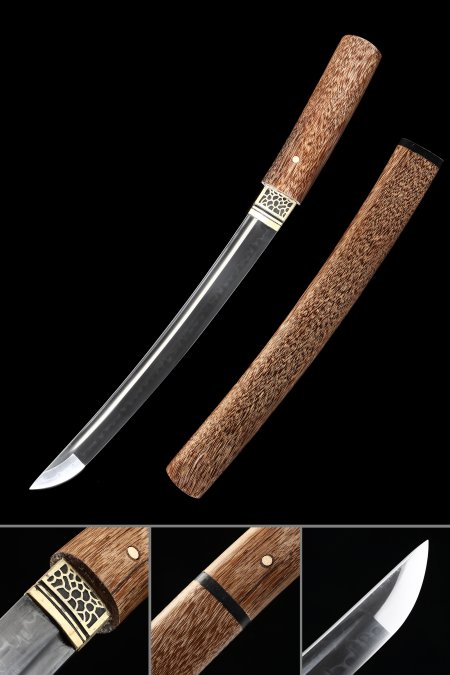
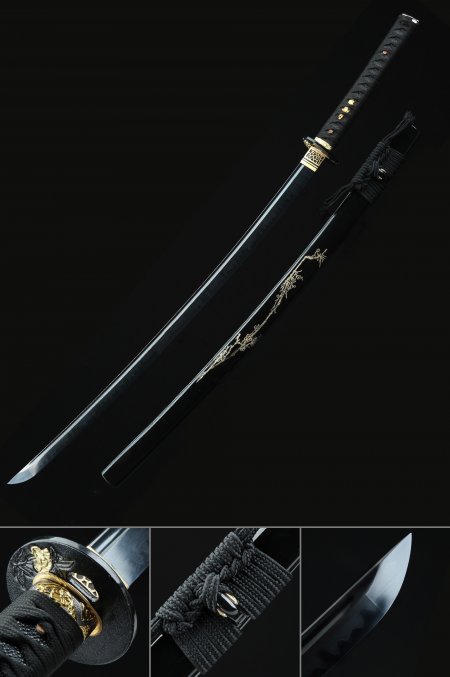
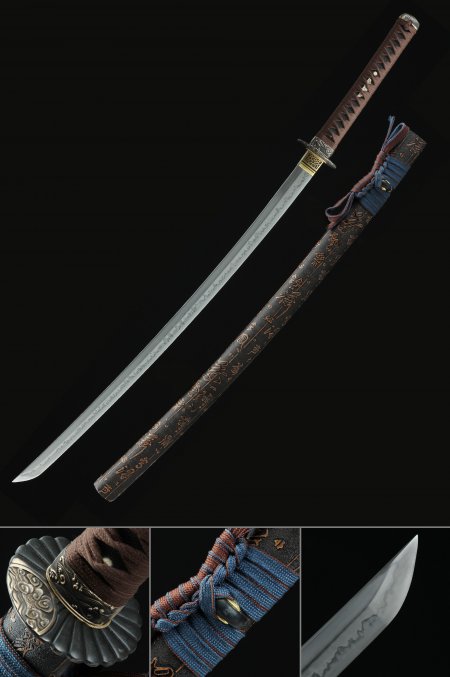
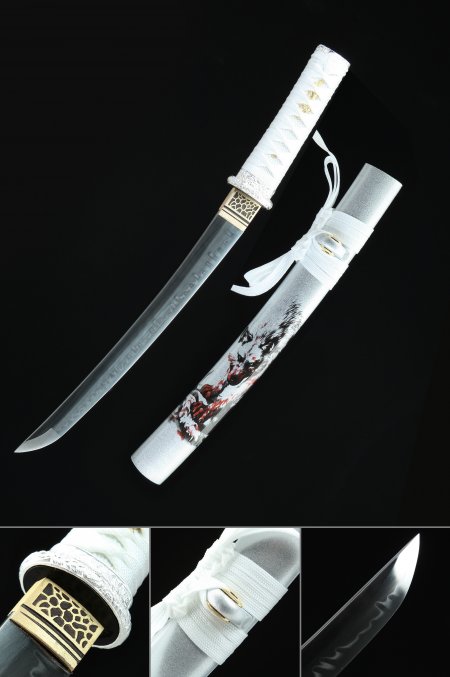
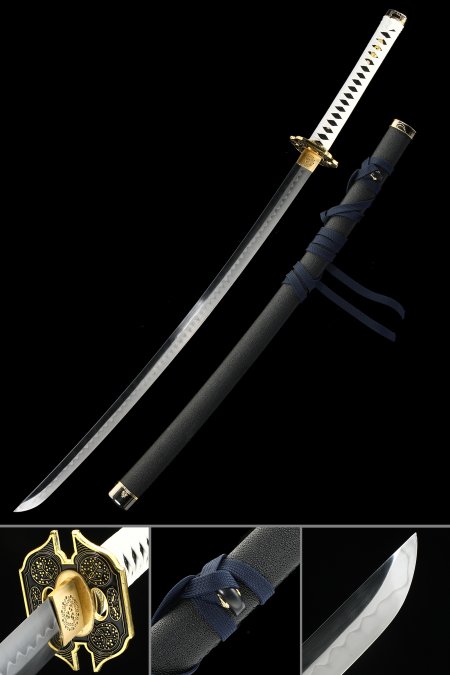
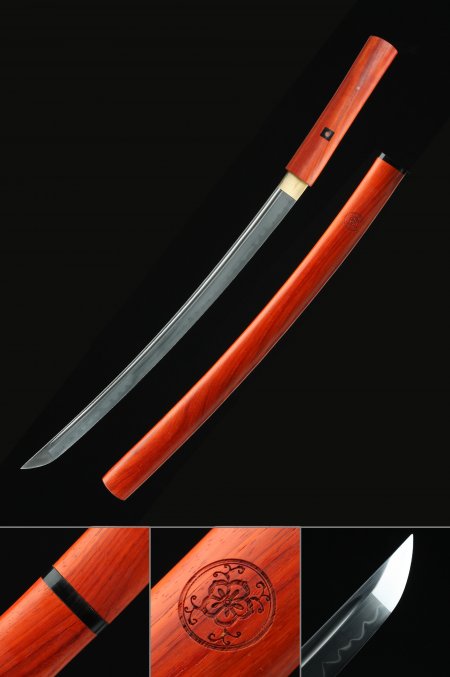
Both 1045 and 1095 are carbon steels, but the difference in carbon content — roughly 0.45% versus 0.95% — has meaningful implications for the finished blade. 1095 steel is harder, capable of taking a finer edge, and most importantly, it can develop a genuine hamon when clay-tempered. The hamon, that misty temper line running along the blade's edge, is one of the most prized visual features a collector looks for in an authentic Japanese-style sword. 1045 steel, with its lower carbon content, rarely produces a real hamon — what appears on lower-cost 1045 blades is typically an acid-etched simulation. For display collectors prioritizing visual authenticity, 1095 or T10 steel blades with real hamon represent a significant step up in collectible character.