What makes Damascus steel visually distinct from regular high-carbon steel?
Updated Mar 2026
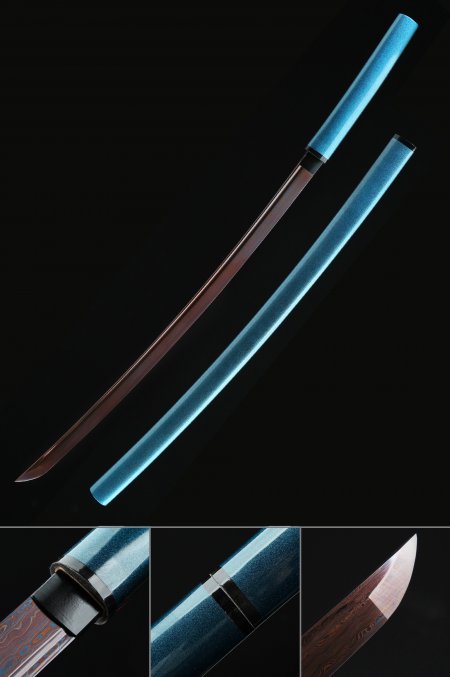
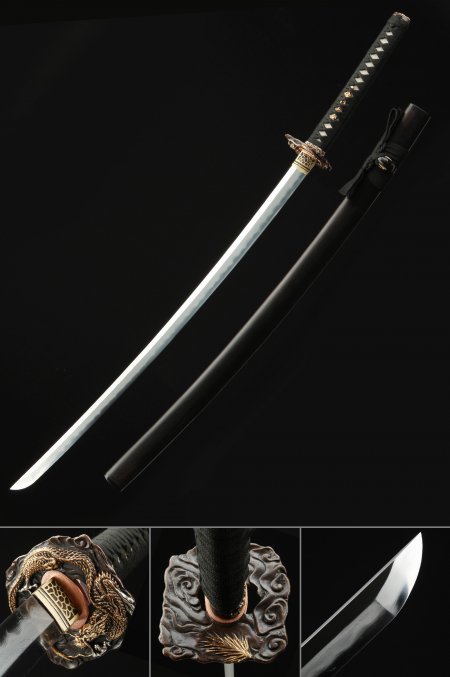
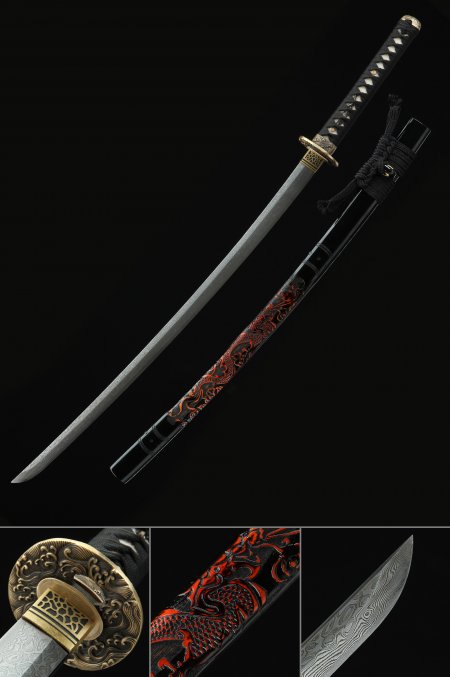
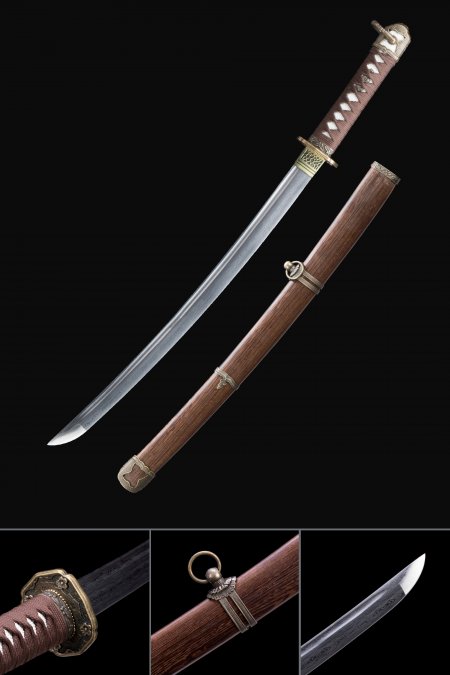
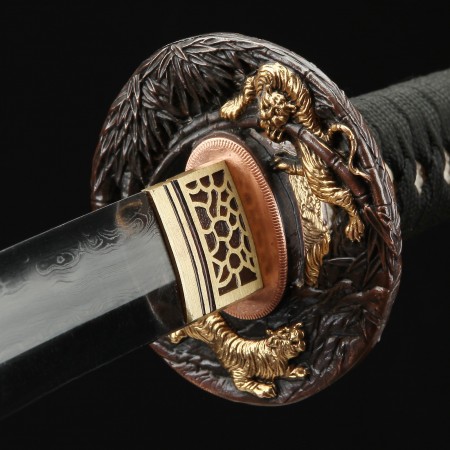
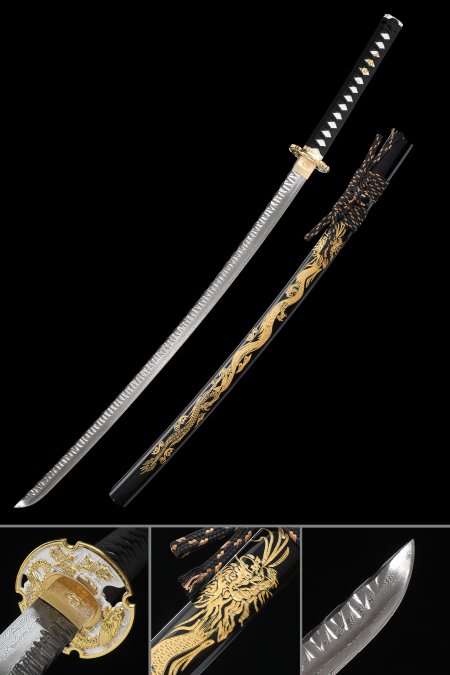
Damascus steel - properly called pattern-welded steel in modern forging - gets its distinctive surface appearance from layering two or more types of steel with differing carbon content, then forge-welding and folding them repeatedly. After grinding and polishing, an acid-etching step reveals the contrast between iron-rich and carbon-rich layers, producing flowing grain patterns that range from tight ladder designs to wide water-ripple waves. This patterning is entirely structural, not printed or coated on afterward, which means every blade carries a genuinely unique surface that no two collectors will own in identical form. Standard mono-steel blades, even high-quality ones, display none of this visible grain.