How do I identify and evaluate Damascus blade quality in a handmade Damascus sword?
Updated Feb 2026
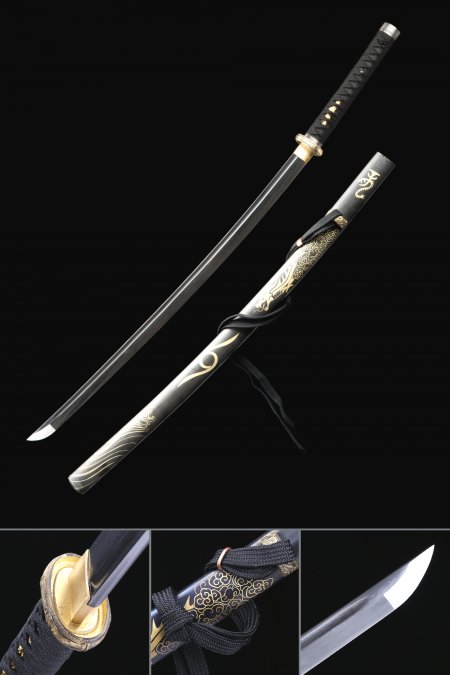
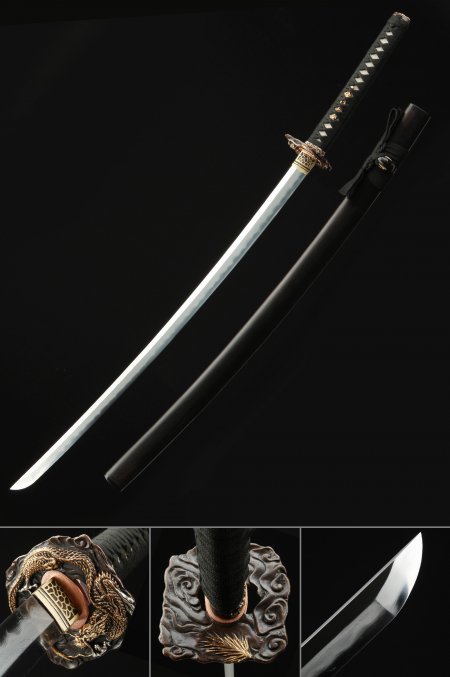
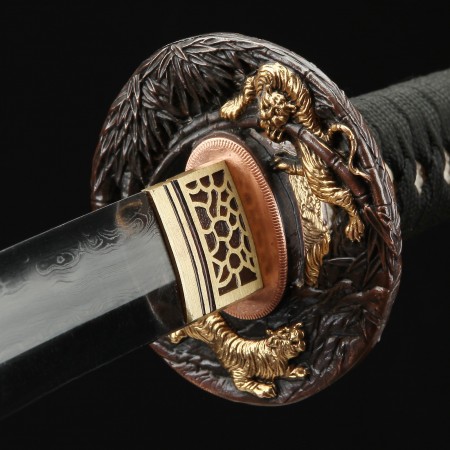
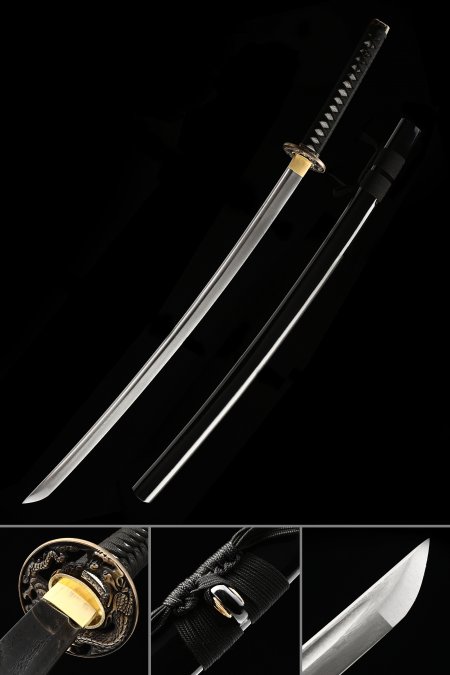
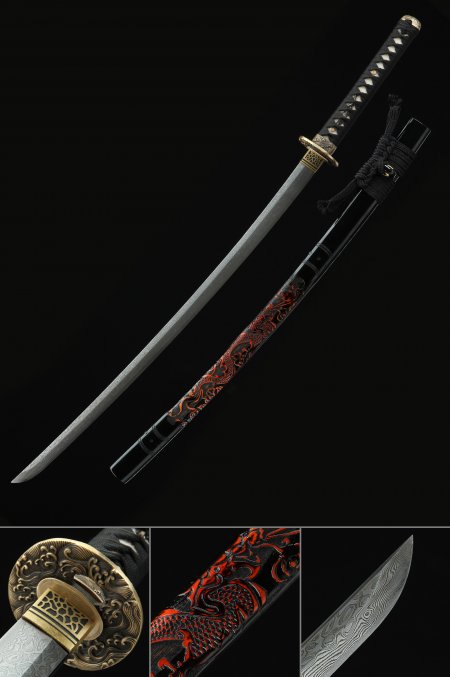
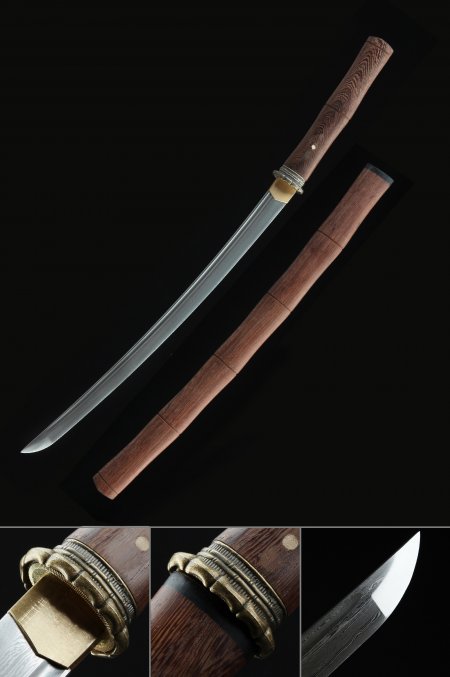
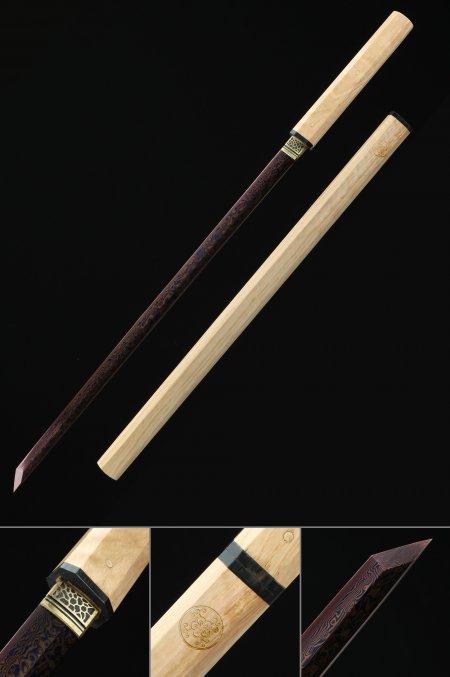
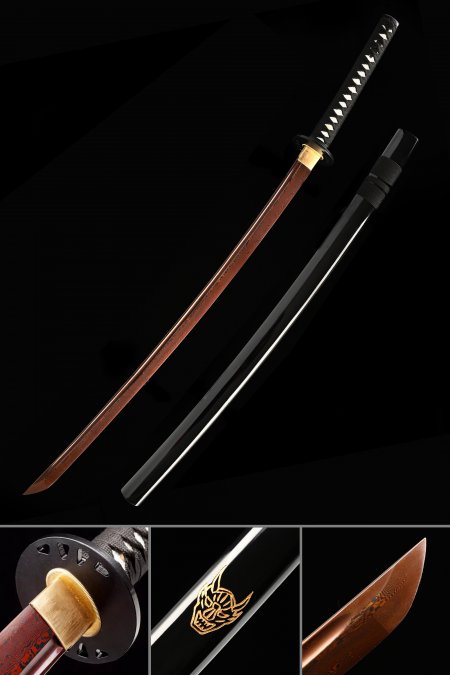
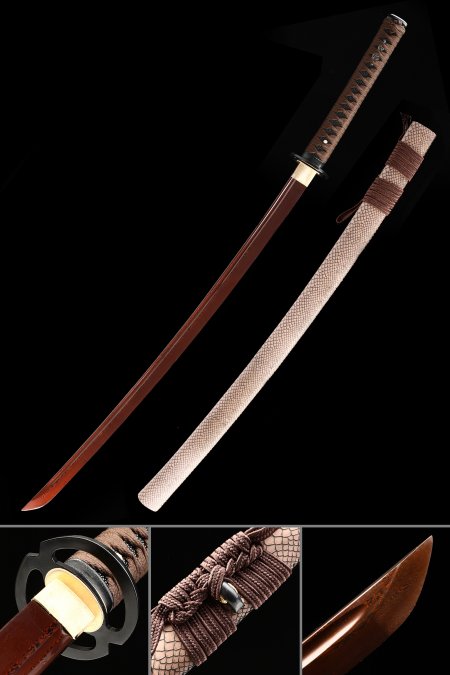
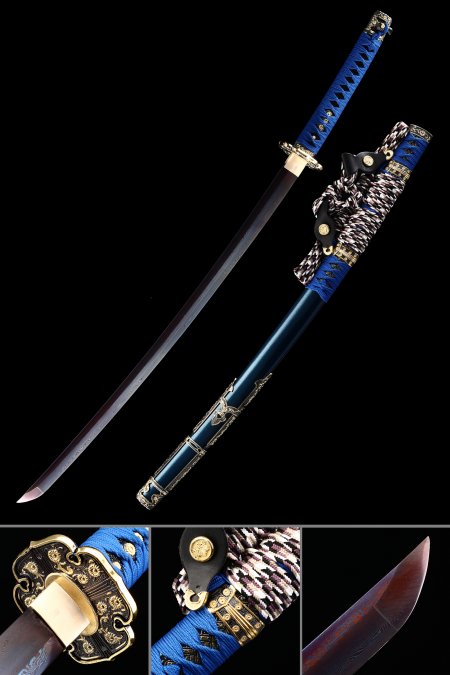
Evaluating Damascus blade quality in a handmade sword requires examining several specific characteristics of the pattern and the blade construction. The pattern definition is the first quality indicator: high-quality Damascus shows a crisp, high-contrast pattern where the light and dark layers are clearly differentiated across the full blade surface. Poor-quality or simulated Damascus may show blurry pattern edges, inconsistent contrast across the blade, or pattern that disappears toward the edges and spine where the etching is less effective. Pattern completeness is the second indicator: the Damascus pattern should be visible across the full blade surface from spine to edge and from habaki to kissaki, not just in the center of the blade or in select areas. Pattern type tells you about the forging technique: random, organic patterns indicate more complex forge manipulation, while extremely regular patterns may indicate a less artisanal production process. The overall blade symmetry, the cleanness of the profile geometry, and the fit and finish of the fittings all contribute to the overall assessment of a handmade Damascus sword's quality.