How is a real hamon formed on a clay tempered katana?
Updated Mar 2026
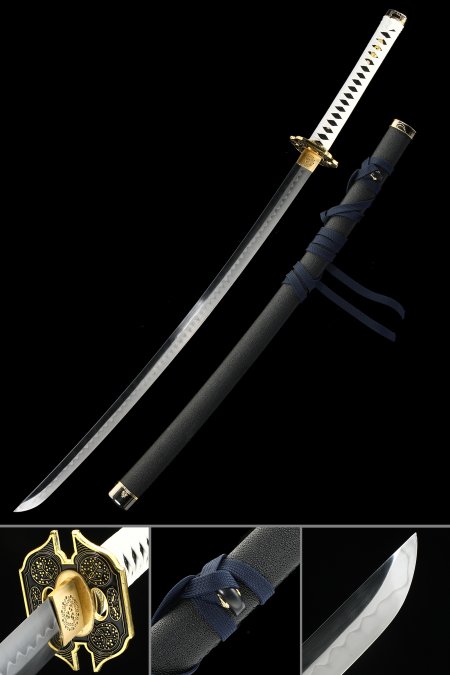
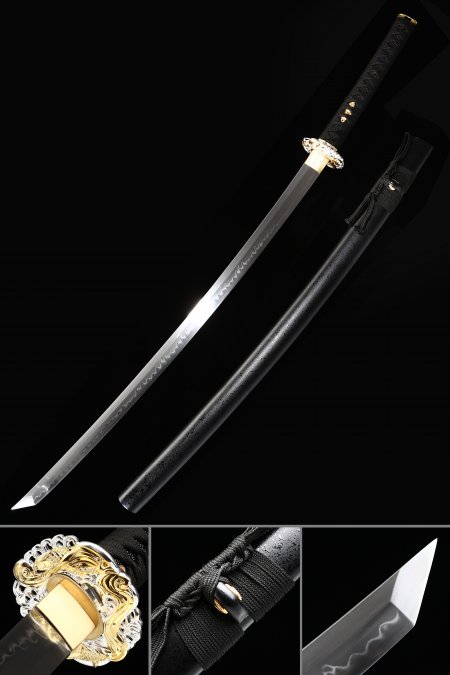
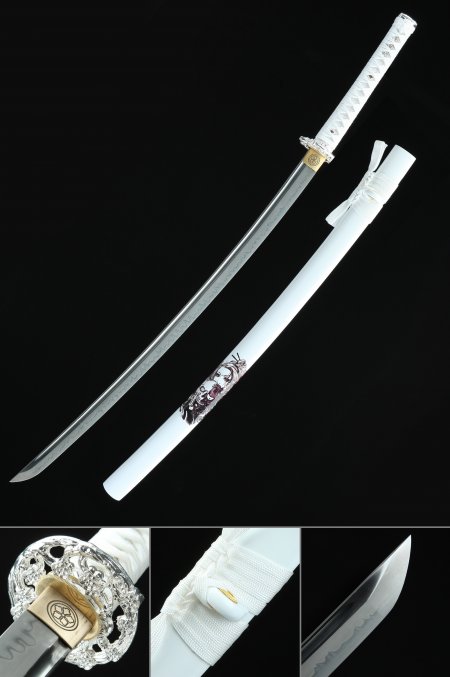
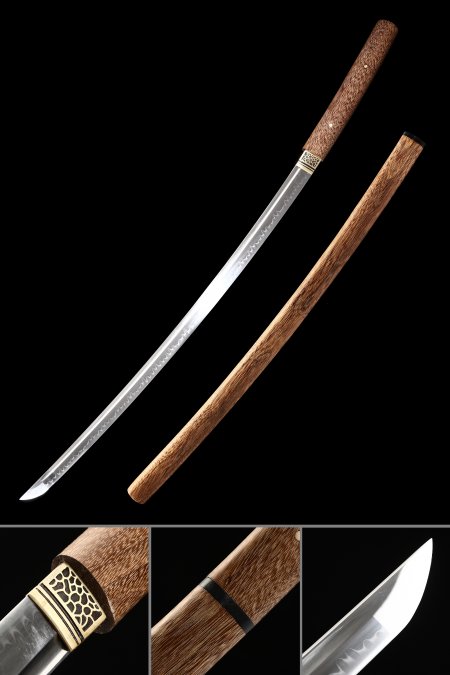
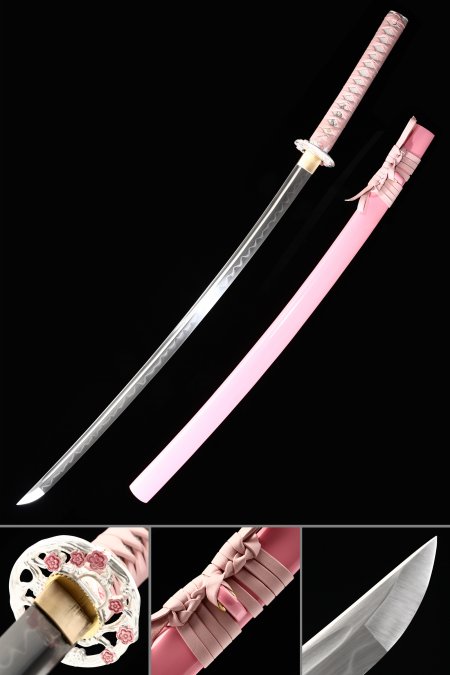
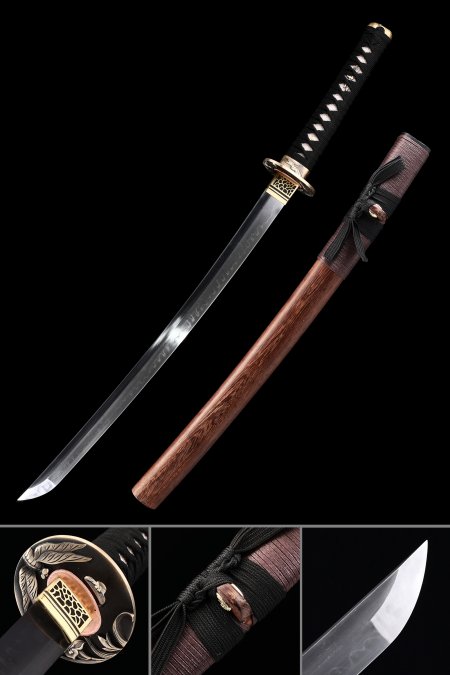
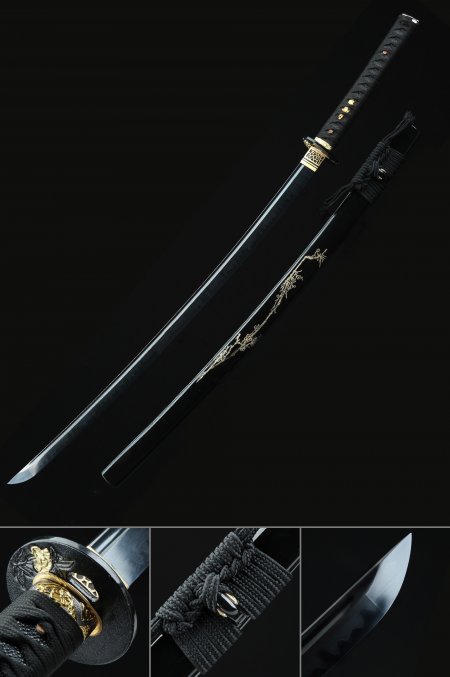
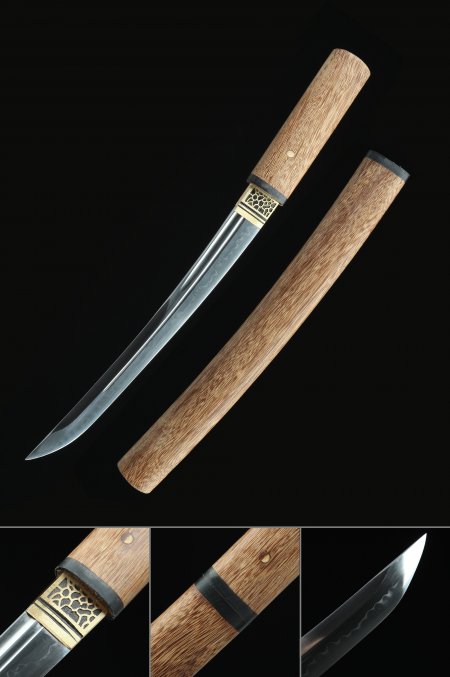
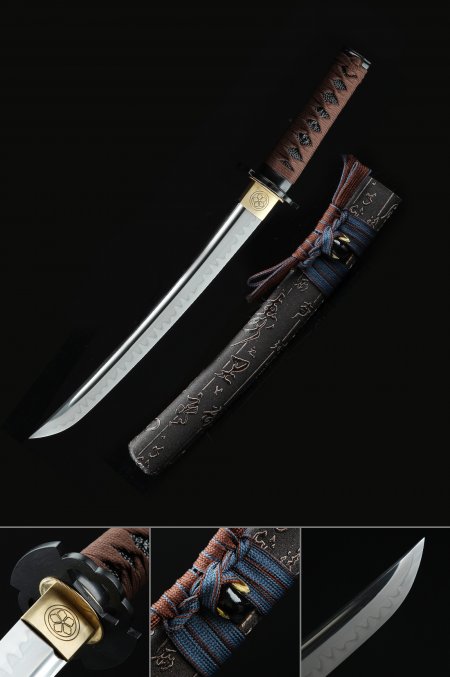
A genuine hamon is the visible boundary line created by differential hardening during the quenching process. The swordsmith applies a layer of refractory clay paste thickly along the blade's spine and thinner — or not at all — near the edge. When the heated blade is plunged into water or oil, the exposed edge cools rapidly and hardens into a martensitic structure, while the clay-insulated spine cools slowly and retains a tougher, more flexible pearlitic structure. The transition zone between these two structures becomes the hamon: a misty, undulating line of crystalline activity visible along the lower half of the blade. On T10 steel, this transition is particularly pronounced, often showing detailed activity patterns such as nie (coarse bright particles) and nioi (fine mist) that serious collectors examine under magnification. A printed or acid-etched hamon, by contrast, is purely cosmetic and has no structural basis.