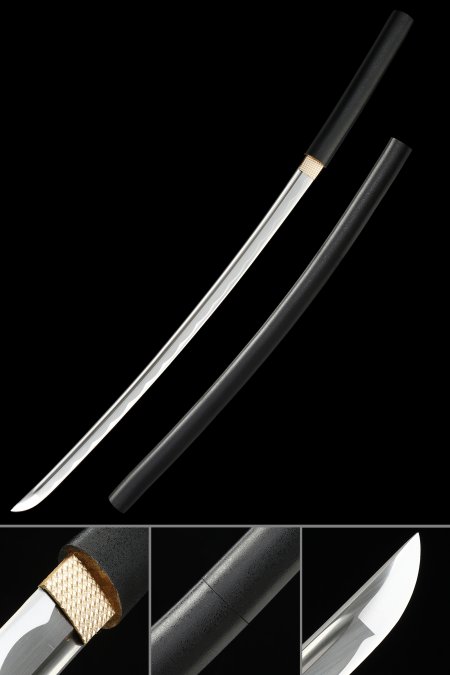
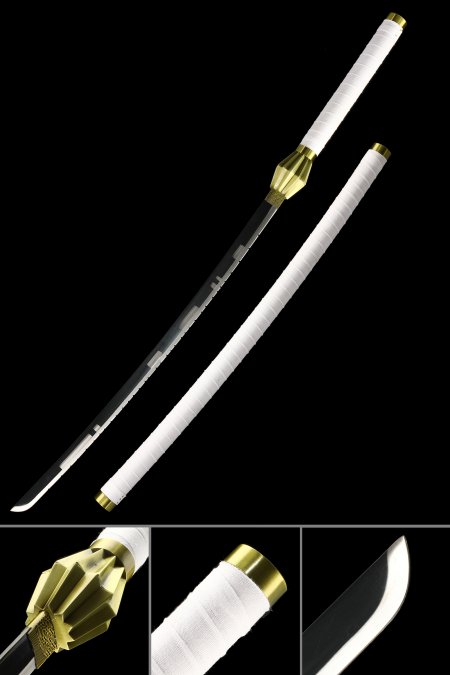
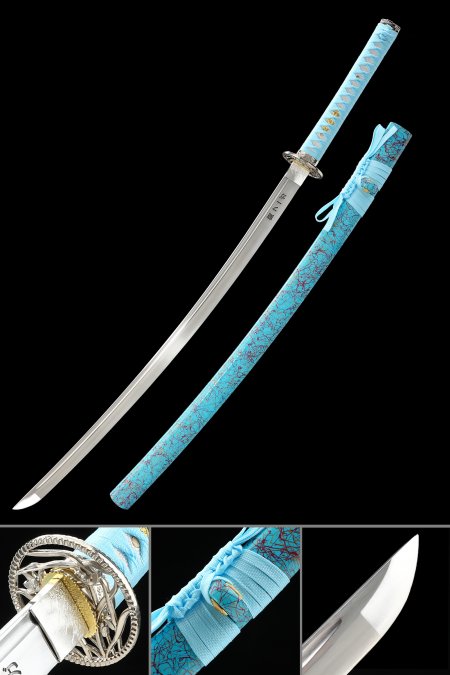
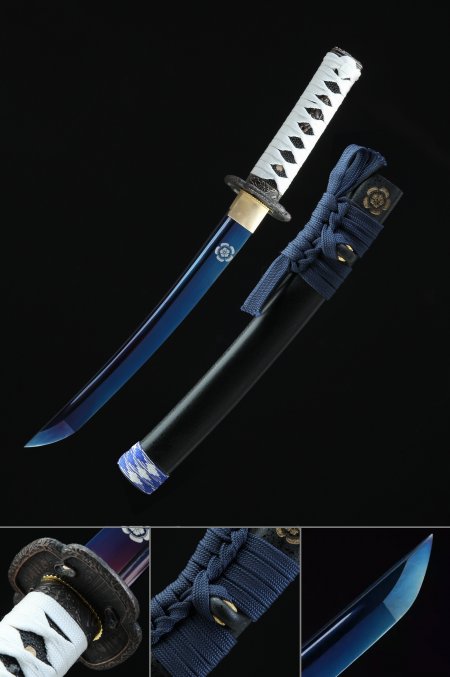
Is a real hamon present on 1065 katana, or is it cosmetic?
Updated Mar 2026
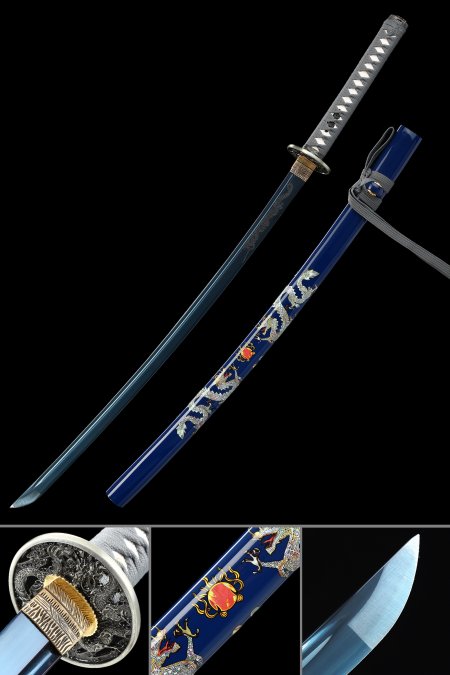
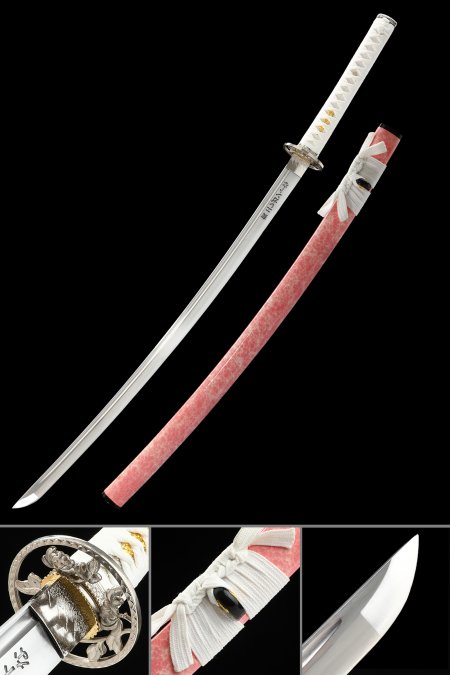
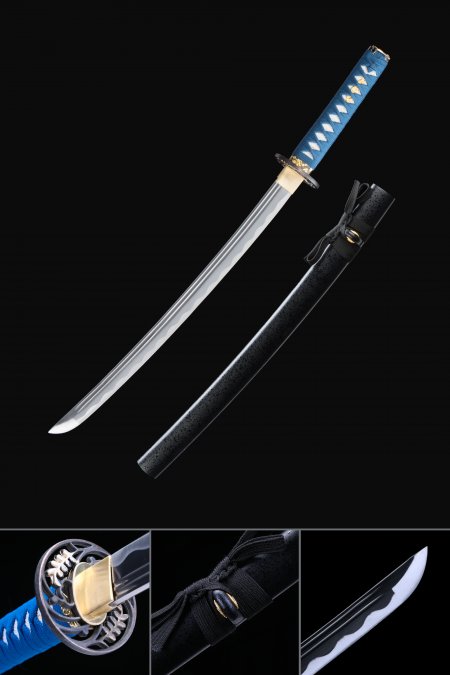
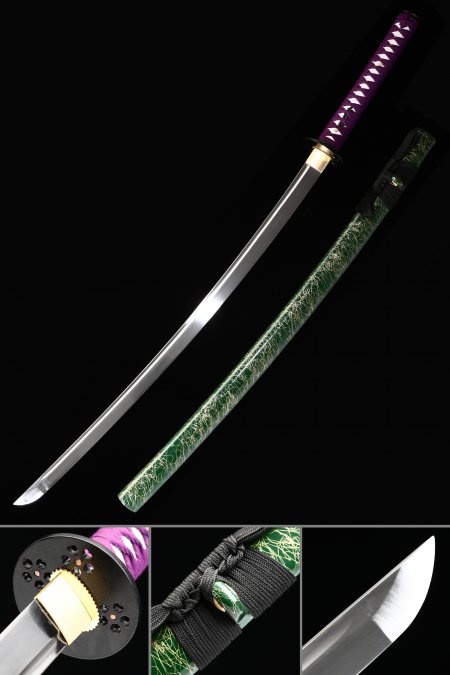
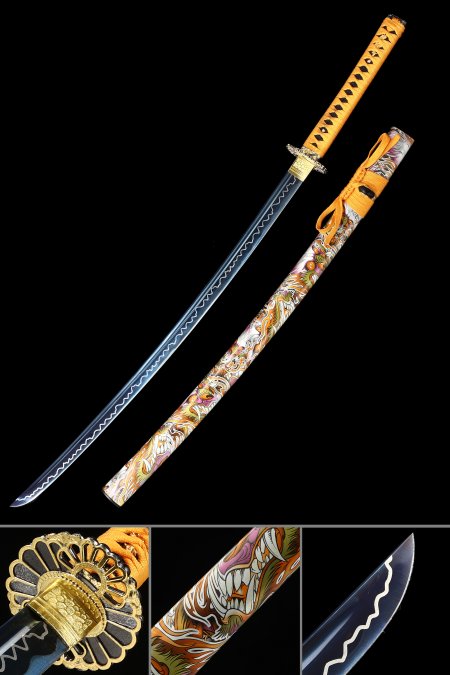
A genuine hamon on a 1065 katana is the product of differential hardening — clay is applied to the blade's spine before quenching, causing the edge to cool faster and become harder while the spine remains more flexible. The resulting temper line is a true metallurgical boundary, not an acid etch or painted effect. When examining a piece, look for an active hamon with subtle activity such as nie (misty crystalline clusters) along the temper line, rather than a flat uniform band, which typically signals a cosmetic finish.