Is tamahagane steel really different from modern carbon steel?

 Updated Mar 2026

Tamahagane is traditionally smelted from iron sand (satetsu) in a clay furnace called a tatara, a process that produces steel with variable carbon content throughout the bloom. Swordsmiths then selectively fold and work the material to distribute carbon more evenly, yielding a blade with both hard and softer zones - the classical construction method of historical nihonto. Modern high-carbon steels like 1095 or T10 are mill-produced with precise, consistent carbon ratios, which actually makes them more predictable for edge retention. For collectors, tamahagane carries significant historical and cultural authenticity; for pure performance consistency, modern tool steels often have the technical edge. Many collectors prize tamahagane primarily for provenance and tradition.
Popular Products

20% OFFblack katana
209.00 USD
259.00 USD
20% OFFchokuto sword
159.00 USD
199.00 USD
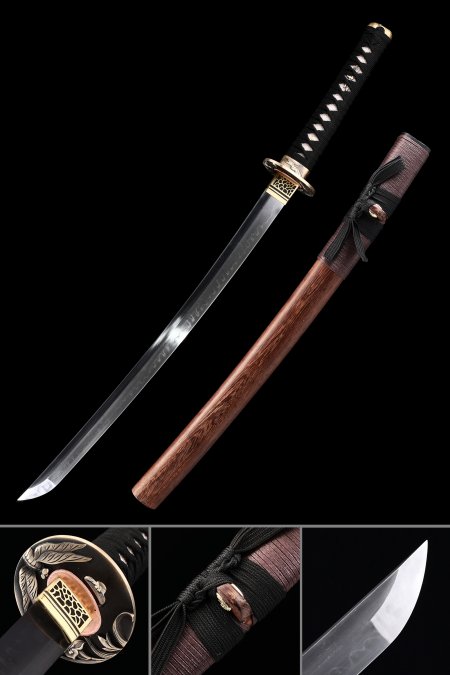
20% OFFwakizashi sword
219.00 USD
279.00 USD
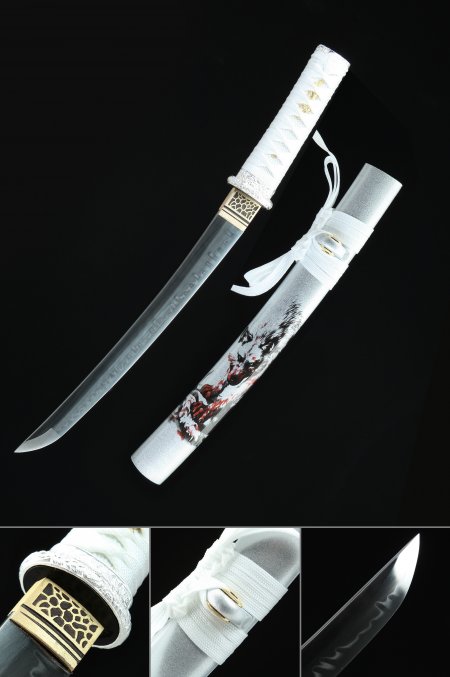
15% OFFtanto sword
149.00 USD
179.00 USD
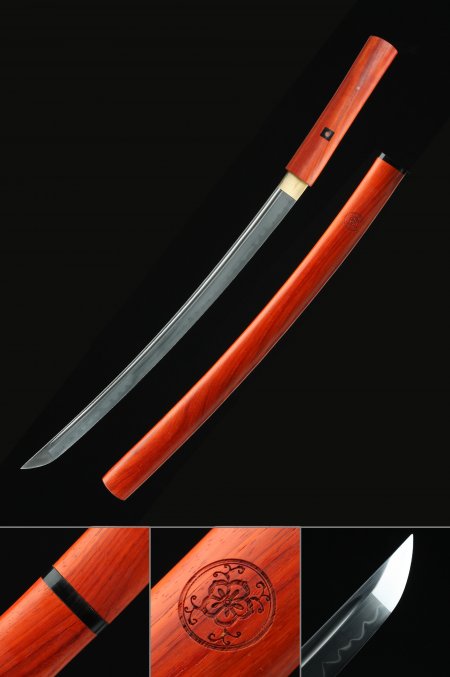
20% OFFshirasaya wakizashi
219.00 USD
269.00 USD
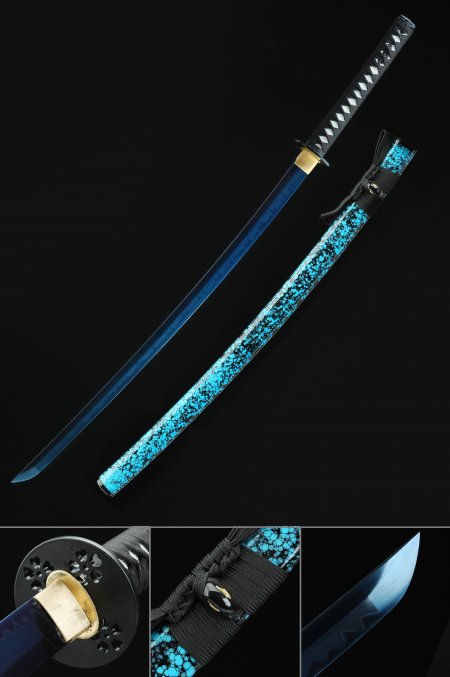
20% OFFblue katana
209.00 USD
259.00 USD
15% OFFtanto sword
179.00 USD
209.00 USD
20% OFFjapanese katana
169.00 USD
209.00 USD
15% OFFblack katana
199.00 USD
229.00 USD
20% OFFshirasaya katana
209.00 USD
259.00 USD
15% OFFshirasaya tanto
149.00 USD
179.00 USD
15% OFFwhite katana
209.00 USD
249.00 USD
20% OFFblack katana
209.00 USD
259.00 USD
20% OFFchokuto sword
159.00 USD
199.00 USD
20% OFFwakizashi sword
219.00 USD
279.00 USD
15% OFFtanto sword
149.00 USD
179.00 USD
20% OFFshirasaya wakizashi
219.00 USD
269.00 USD
20% OFFblue katana
209.00 USD
259.00 USD
15% OFFtanto sword
179.00 USD
209.00 USD
20% OFFjapanese katana
169.00 USD
209.00 USD
15% OFFblack katana
199.00 USD
229.00 USD
20% OFFshirasaya katana
209.00 USD
259.00 USD
15% OFFshirasaya tanto
149.00 USD
179.00 USD
15% OFFwhite katana
209.00 USD
249.00 USD

Explore Our Collections