Free Shipping
159.00 USD
ON SALE! 20% OFF
Was: 199.00 USD

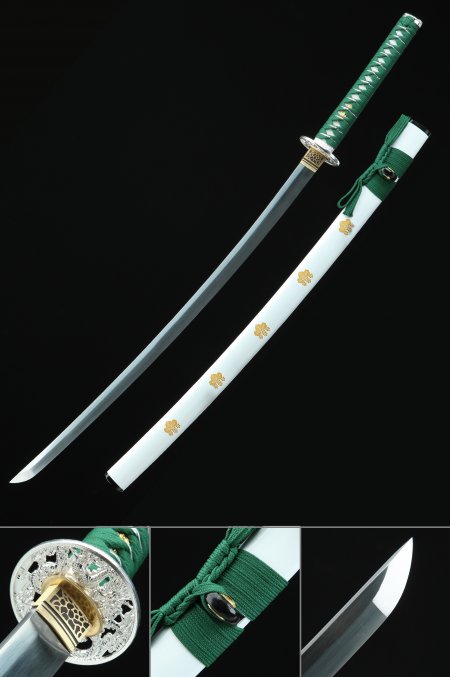
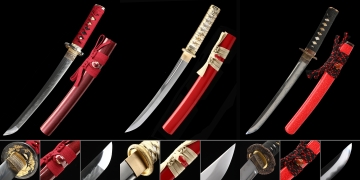
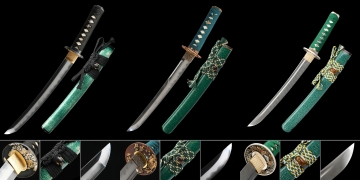
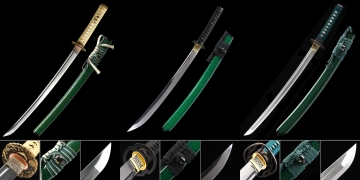
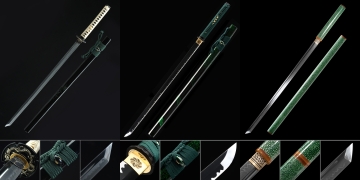
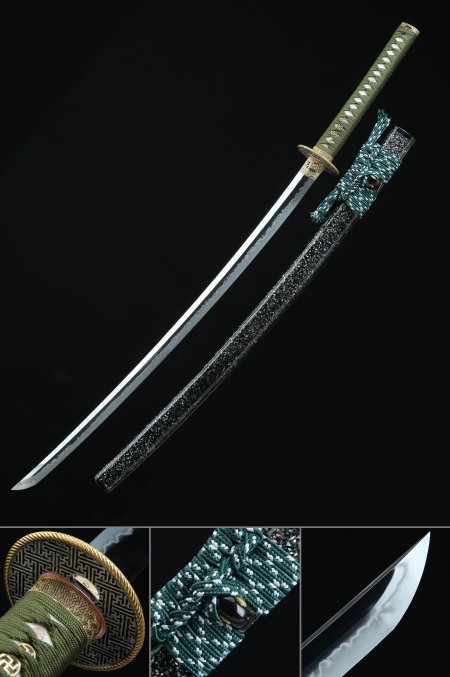
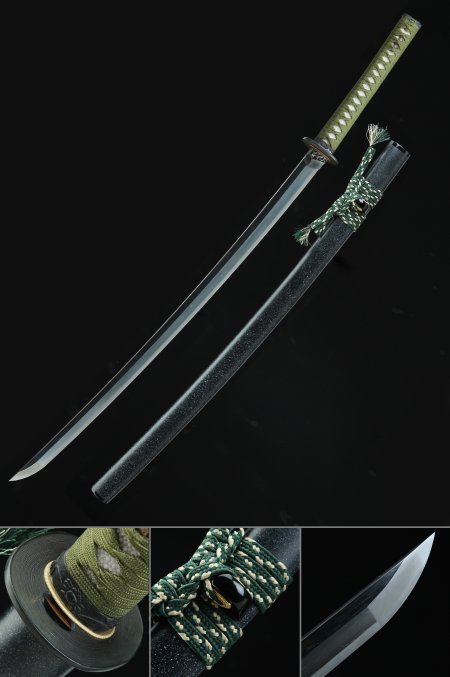
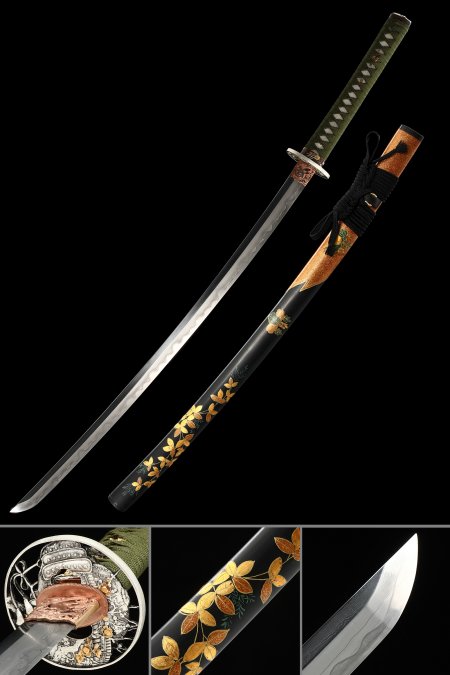
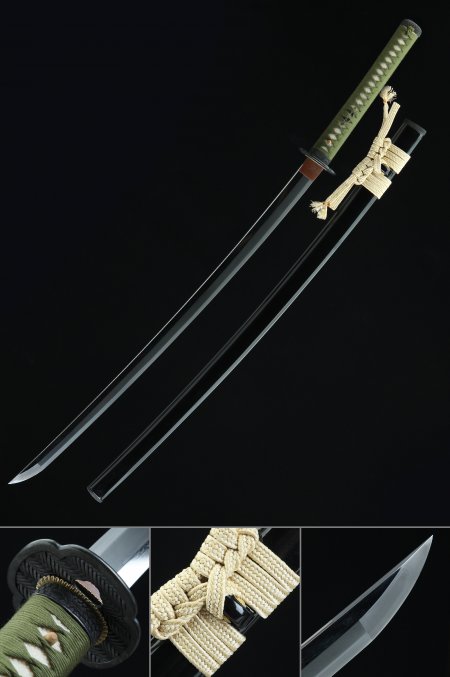
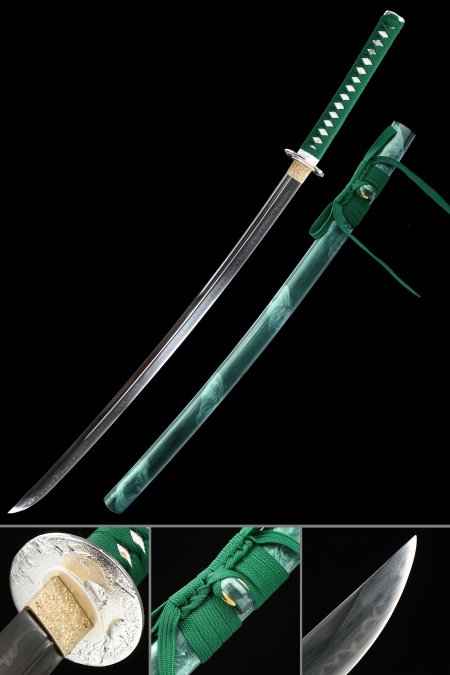
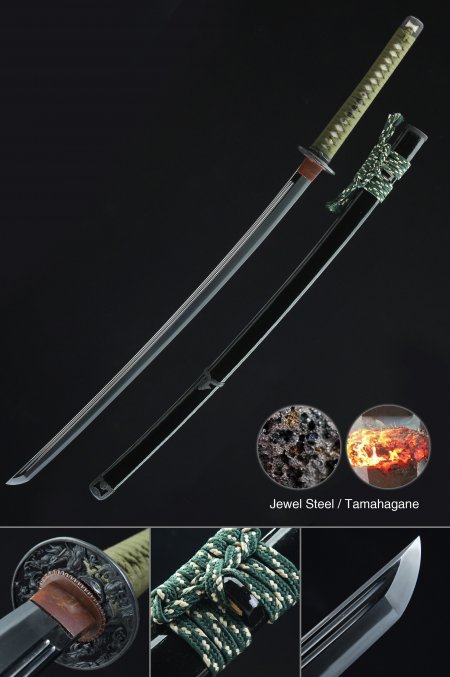
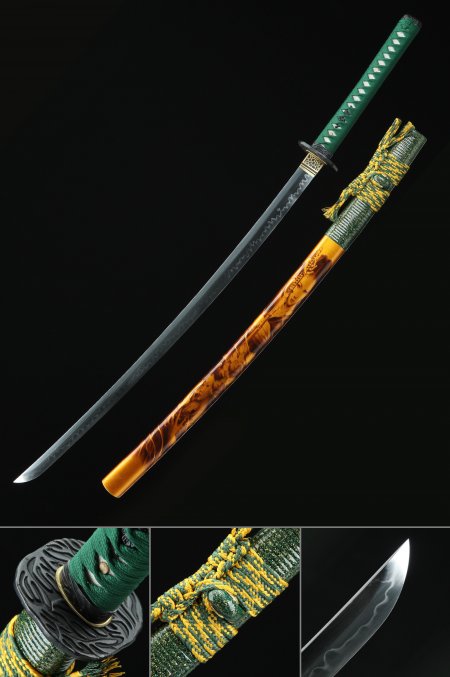
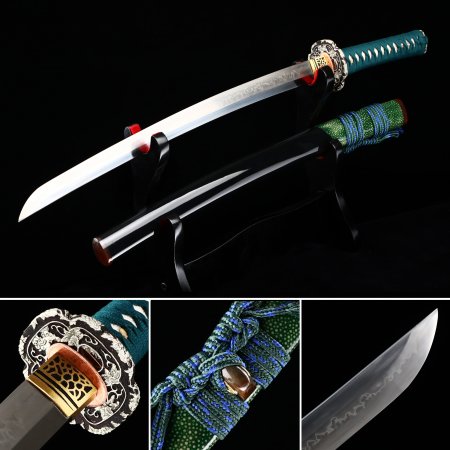
Green handle katanas bring a rare visual identity to one of history's most revered blade traditions. Each piece in this collection is hand-forged from quality carbon or tamahagane steel, finished with green ito wrapping, ornate tsuba fittings, and lacquered saya that make every sword a genuine display centerpiece. Whether you're building a curated collection or searching for a distinctive gift, these katanas reward close inspection with layered craftsmanship at every detail. All orders ship free with hassle-free returns.
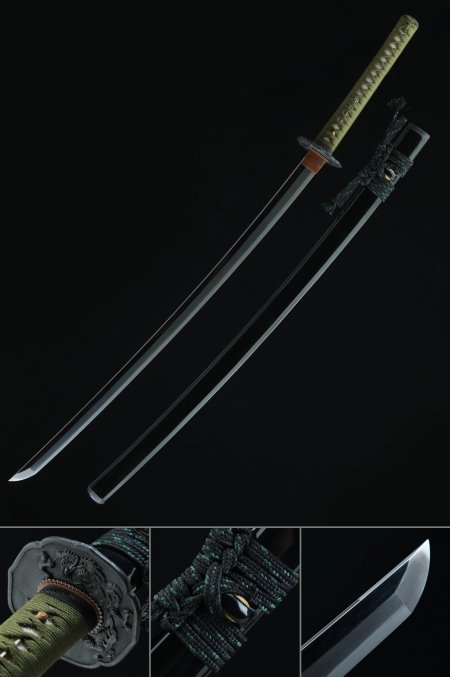
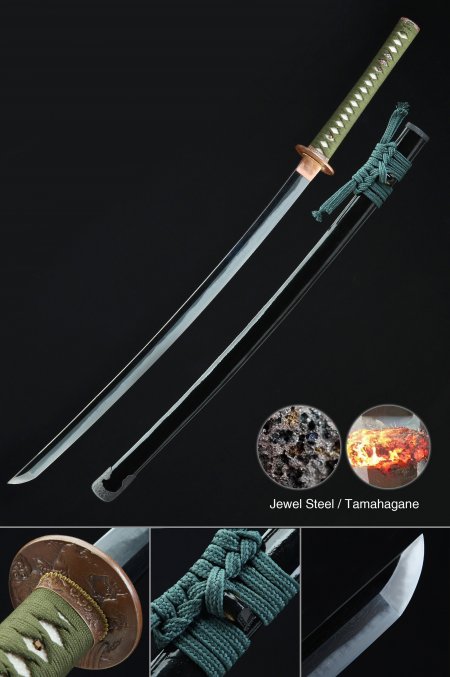
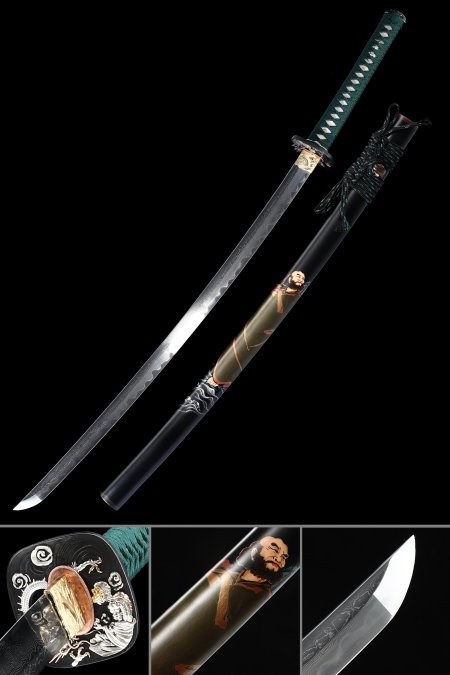
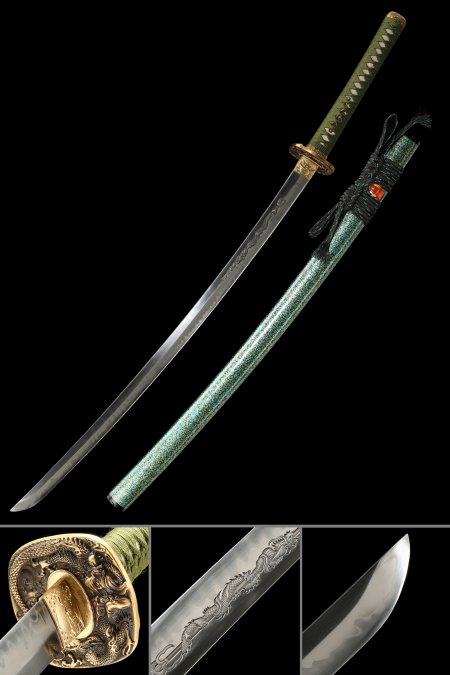
Quality is exceptional, craftsmanship is amazing. Absolutely love the Katana sword
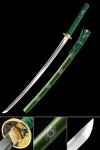 |
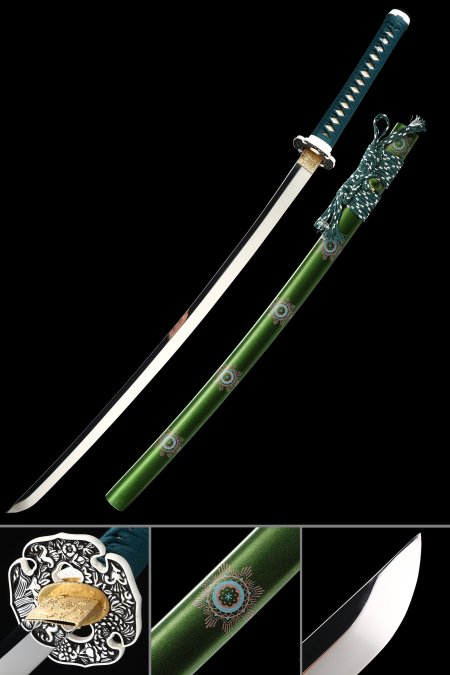
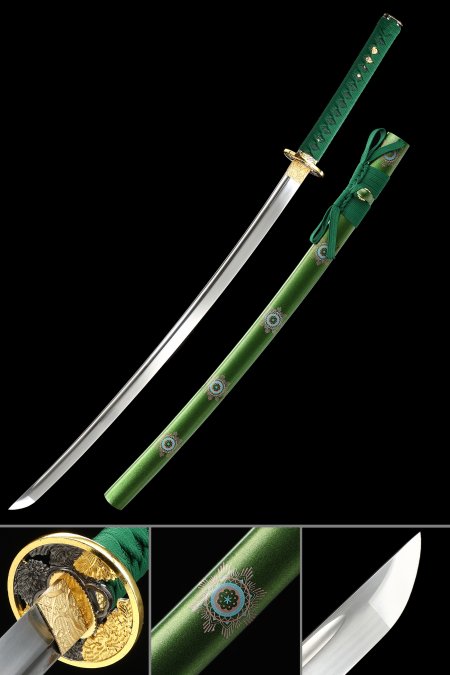
1095 Carbon Steel Katana with Green Lacquered Hardwood Saya - Gold-Black Chrysanthemum Tsuba |
Quality was great and shipping was fast. Will definitely recommend to others
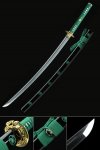 |
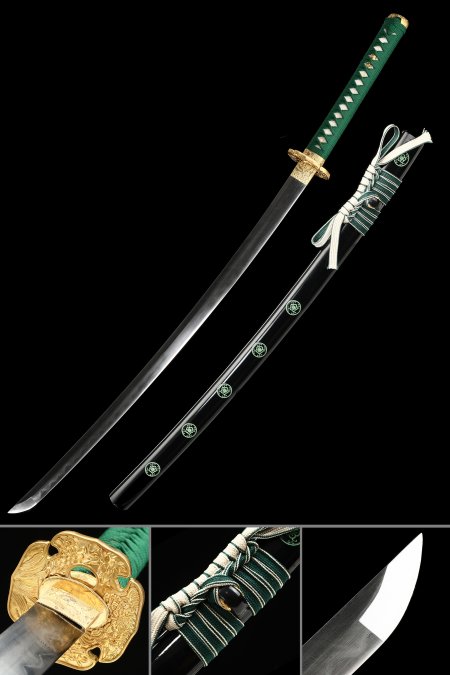
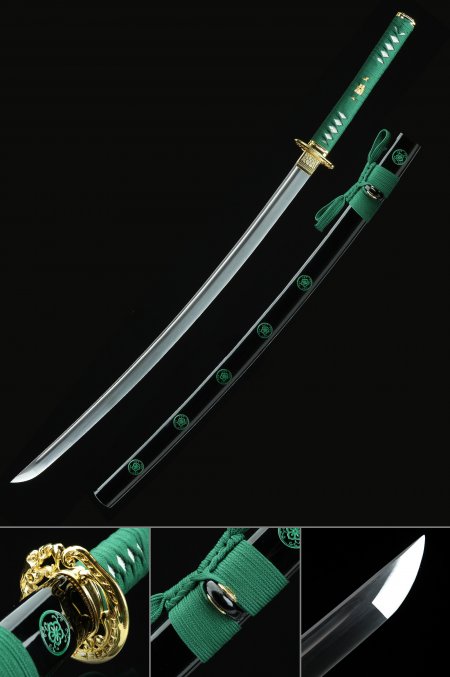
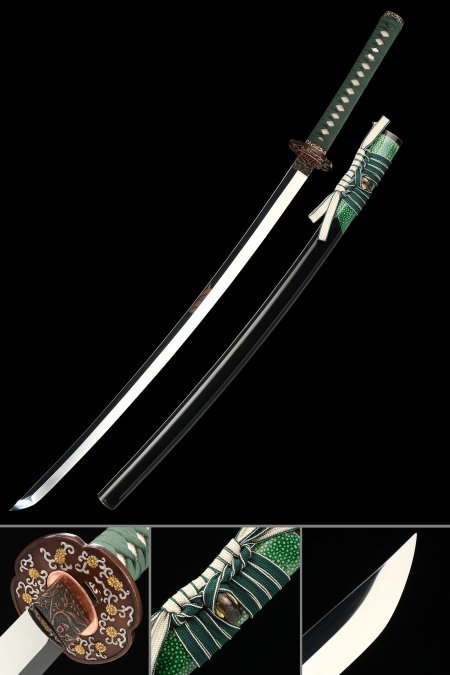
Manganese Steel Katana with Green Ito Wrap in Black Lacquered Saya - Gold Floral Tsuba Samurai Sword |
Good quality, pretty heavy, not too sharp. Definitely good for displaying. Definitely will get more from here, when I can
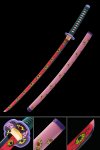 |
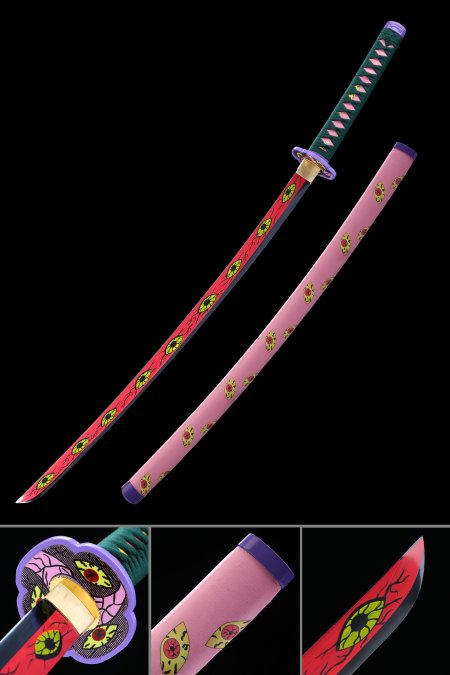
Kokushibo Sword - Kimetsu No Yaiba Upper Moon One Nichirin, 1045 Carbon Steel, Eye Tsuba |
It arrived on time! :) But it was poorly made. It has loose parts. I would personally not buy from here again because $200 bucks for a poorly made katana is not it.
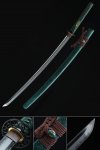 |
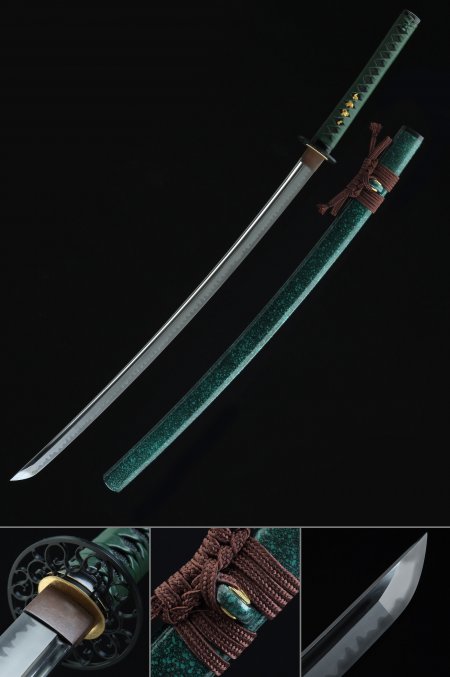
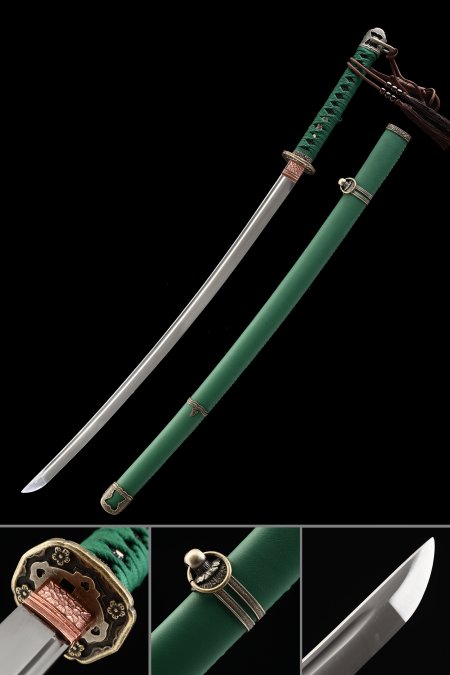
T10 Folded Clay Tempered Katana with Dark Green Textured Saya and Openwork Iron Tsuba - Full Tang Collectible |
Man this thing is beautifully made! This is my first True Katana. I have hade my eyes on this one for a while and it is awe-inspiring to hold. It brings me comfort having it.
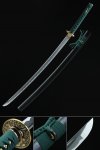 |
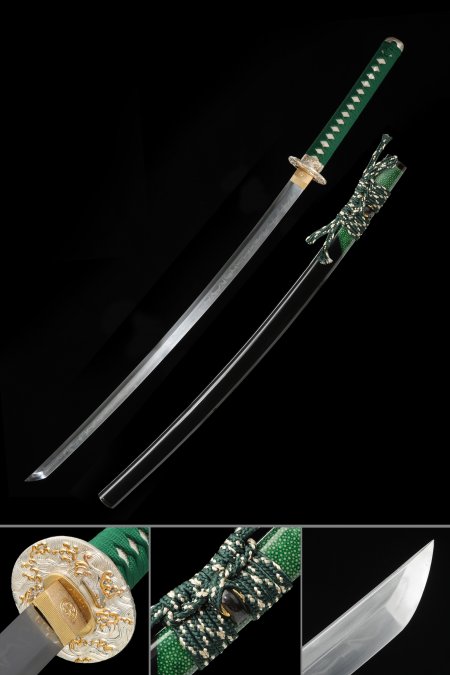
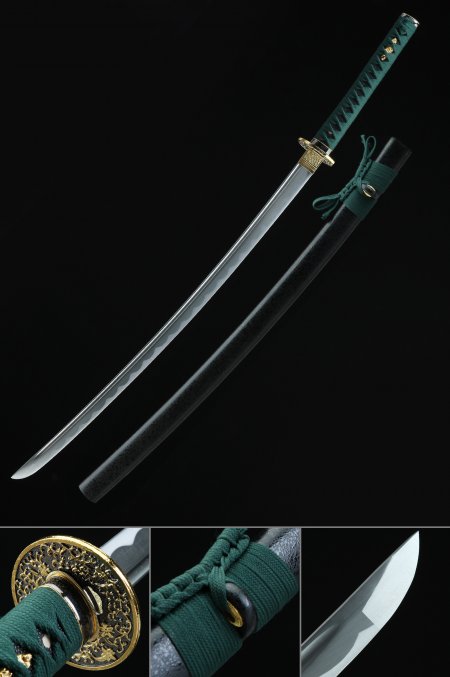
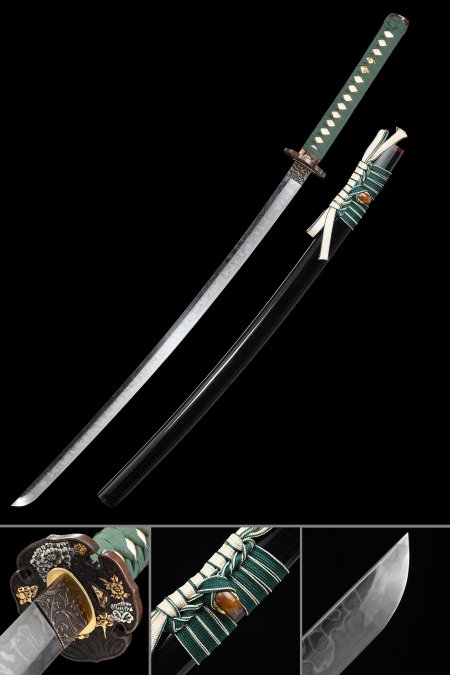
1045 Carbon Steel Full Tang Katana with Green Ito Wrap and Gold Floral Tsuba - Black Hardwood Saya |
This katana is gorgeous. The steel looks amazing. It is super sharp. Top shelf quality at a lower shelf price. Item was as described. It is absolutely perfect. 100% satisfied.
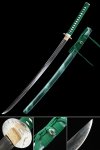 |
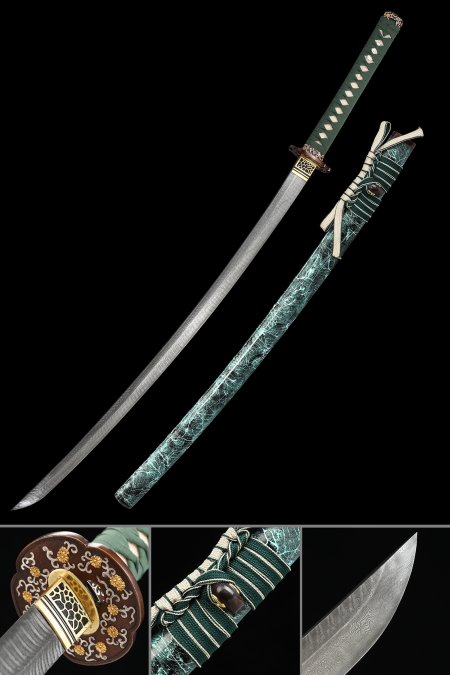
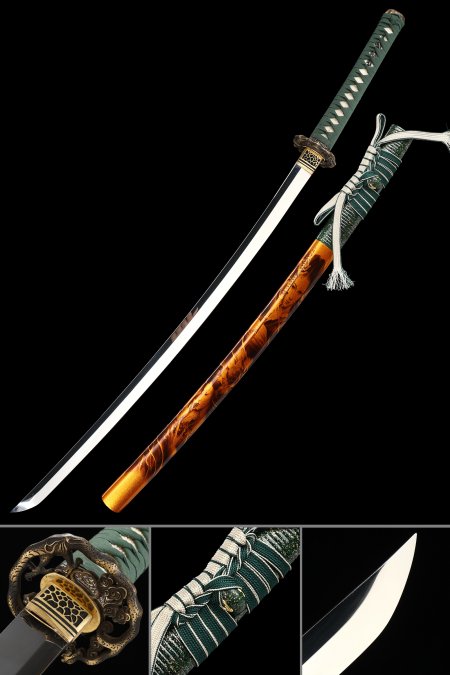
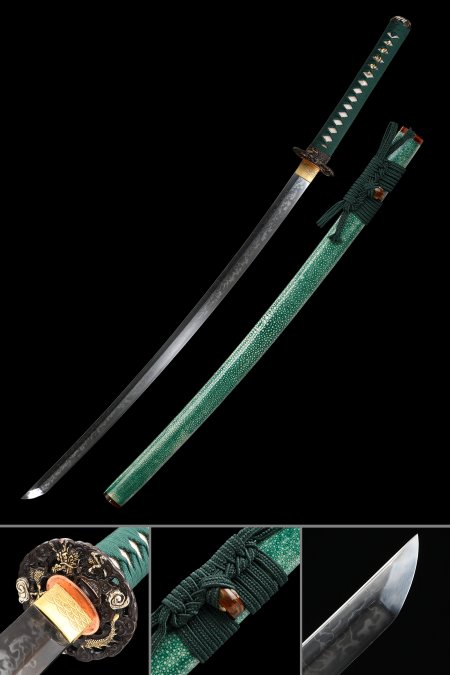
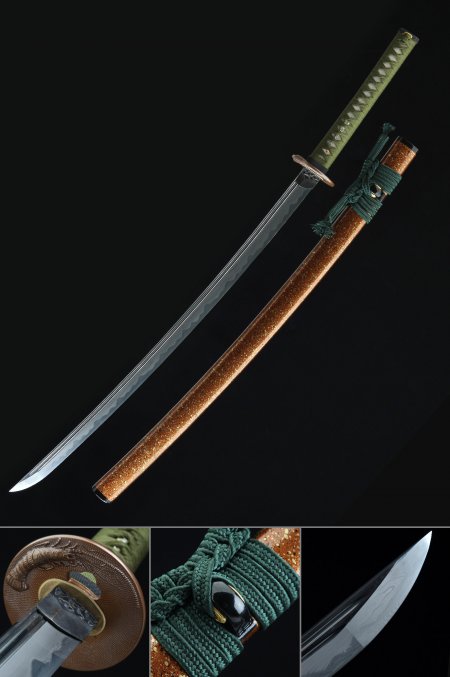
T10 Carbon Steel Katana with Green Marbled Saya, Dragon Tsuba & Green Ito Wrap |
Love it. The green is beautiful. Will definitely purchase from this website again
|
1045 Carbon Steel Full Tang Katana with Green Ito Wrap and Gold Floral Tsuba - Black Hardwood Saya |
This is the best thing I have spent my money with. Overall the craftsmanship is amazing. The detail on the handle is great, but the strings was slipping a bit, but still wonderful sword.
|
Manganese Steel Katana with Green Ito Wrap in Black Lacquered Saya - Gold Floral Tsuba Samurai Sword |