Does the demon motif have historical roots in Japanese sword fittings?
Updated Mar 2026
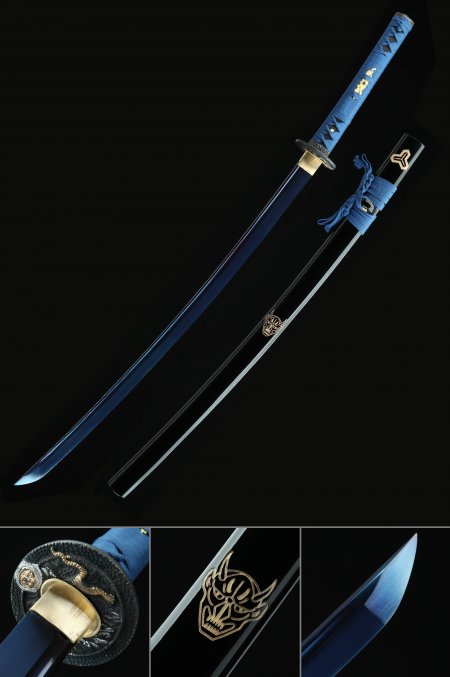
Yes - oni and demon imagery has appeared on Japanese sword fittings since at least the Muromachi period (14th-16th centuries). Tsuba, fuchi-kashira sets, and menuki (handle ornaments) were understood as more than decorative elements; they carried symbolic weight for the samurai who commissioned them. Oni figures were believed to ward off misfortune and serve as protective spirits when invoked correctly, which made them appropriate subjects for the guard - the component positioned literally between the bearer and any threat. Museum collections in Japan and the West preserve iron tsuba with oni faces rendered in high-relief sukidashi carving, demonstrating that the motif is rooted in genuine historical practice rather than modern fantasy aesthetics. Contemporary demon tsuba collectibles draw on that visual vocabulary, making them an accessible entry point into the broader study of Japanese sword furniture iconography.