Is a real hamon better than an acid-etched one for collectors?
Updated Mar 2026
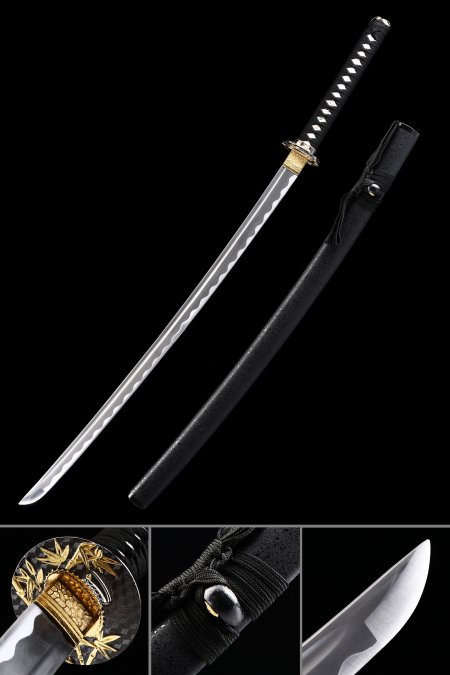
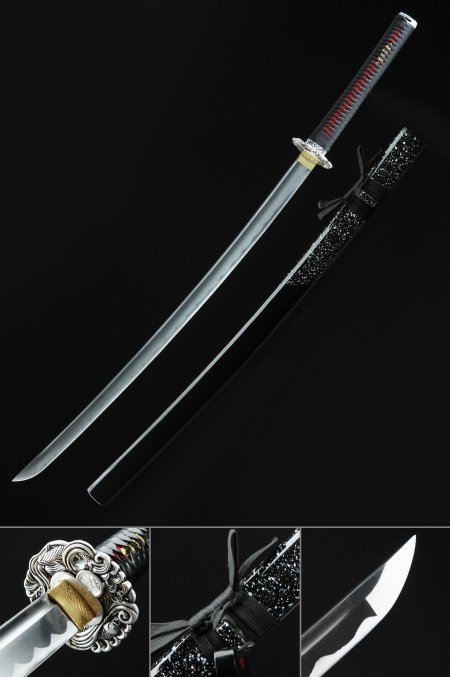
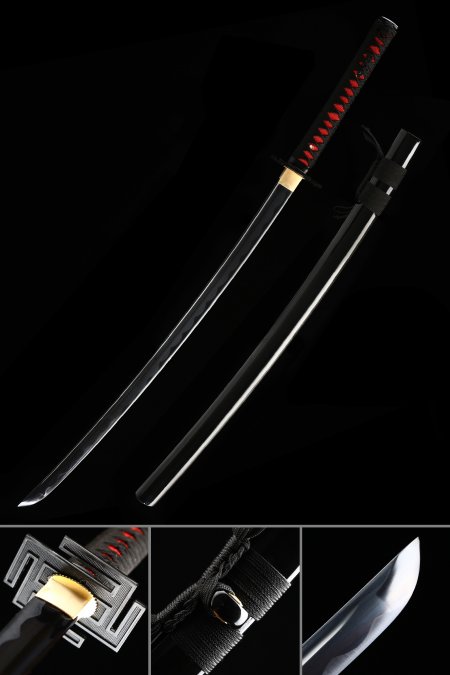
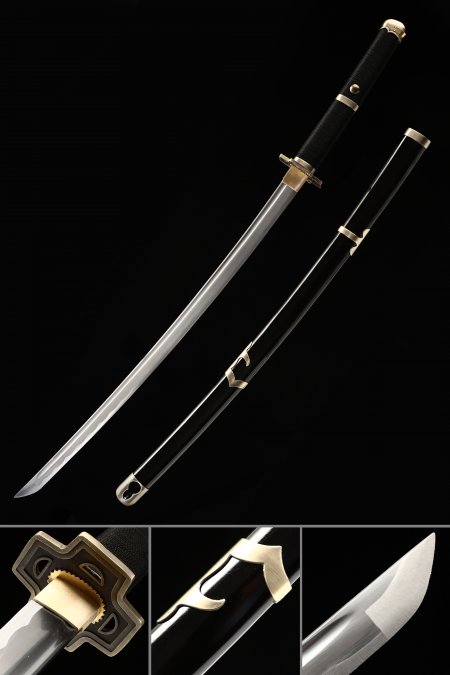
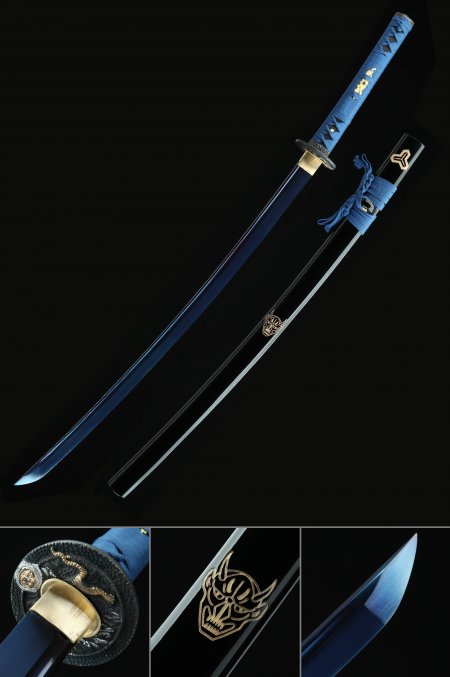
For serious collectors, yes — significantly so. A real hamon is the product of differential hardening: clay is applied to the spine before quenching, slowing the cooling rate along the back while the edge hardens rapidly. This creates an actual microstructural boundary — the transition zone between martensite and pearlite — that is visible as a misty, flowing line when the blade is polished. An acid-etched or wire-brushed hamon mimics the appearance but has no underlying metallurgical basis; it will fade or scratch off over time. On a display piece intended to hold long-term value and authenticity, a genuine hamon is a meaningful quality differentiator, not merely a cosmetic one.