Is 1095 or T10 steel better for a display katana with hamon?
Updated Mar 2026
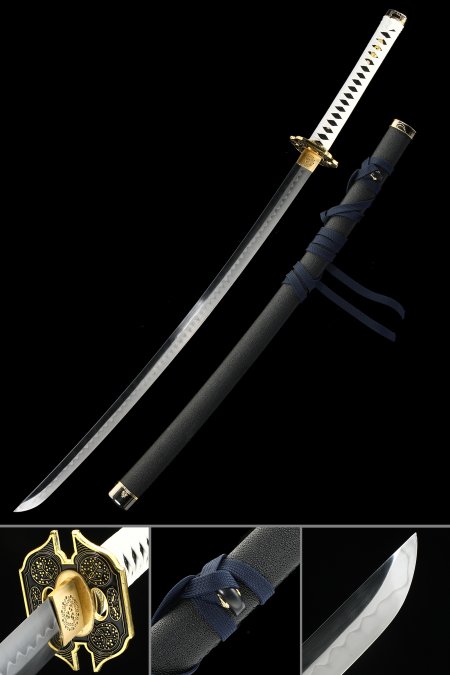
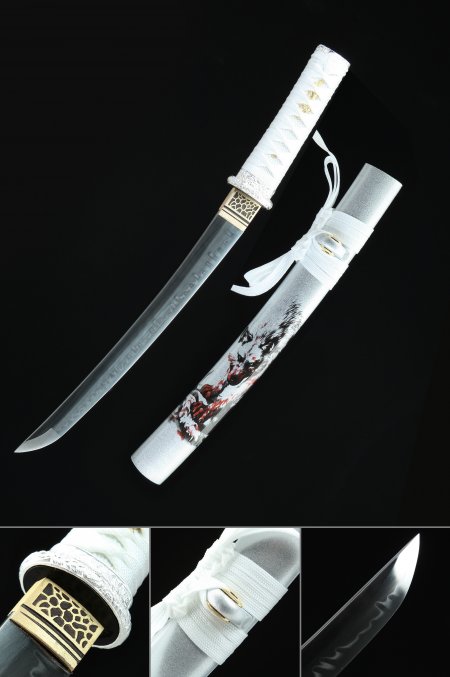
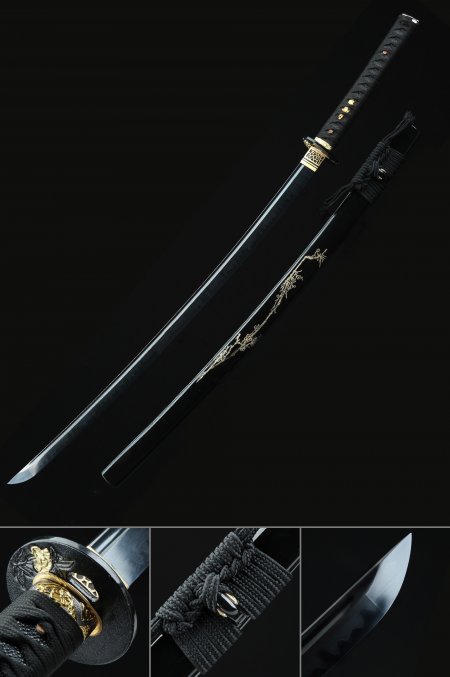
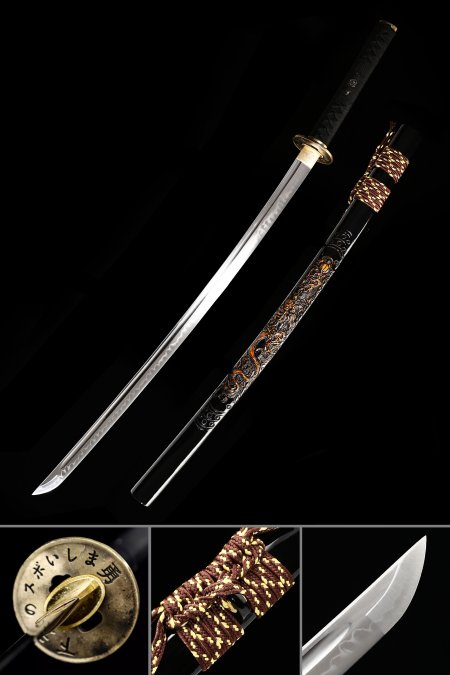
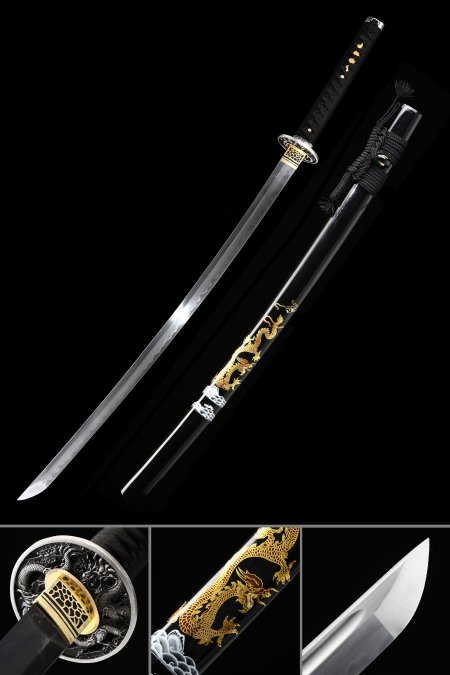
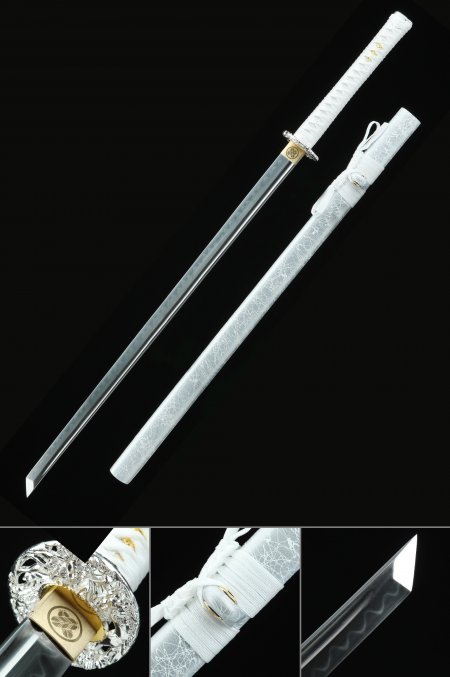
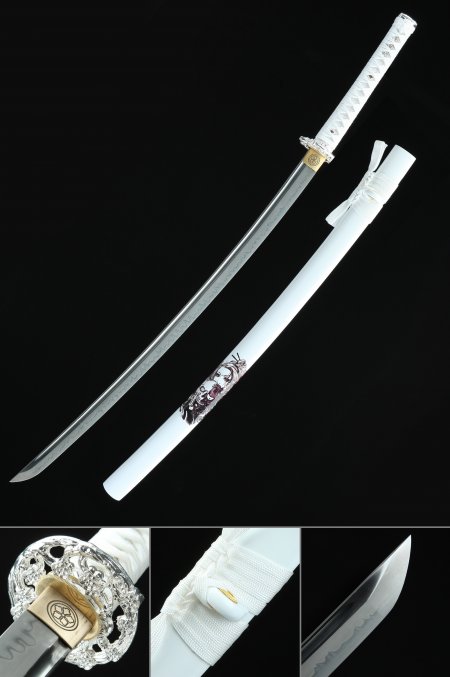
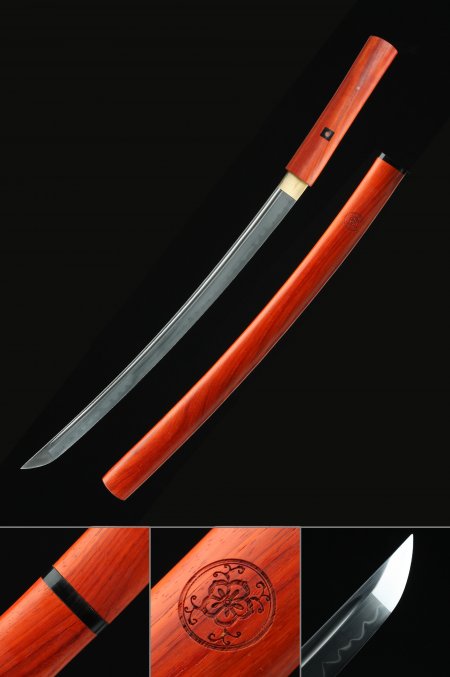
Both 1095 and T10 carbon steel are capable of producing a visible hamon when clay-tempered, but they differ in composition. T10 steel contains a small amount of tungsten, which contributes to a finer grain structure and a more defined, active hamon with pronounced nie (bright crystalline particles) along the temper line. 1095 is a purer high-carbon steel without tungsten, producing a clean and reliable hamon that reads well on display but tends to be slightly less complex in its activity. For collectors who prioritize hamon visibility as a display feature alongside an ornamental bamboo saya, T10 pieces generally reward closer inspection. Both steels require the same maintenance: a light coat of choji or mineral oil applied every few months to prevent surface oxidation.