What is the correct way to display a tachi versus a katana?
Updated Mar 2026
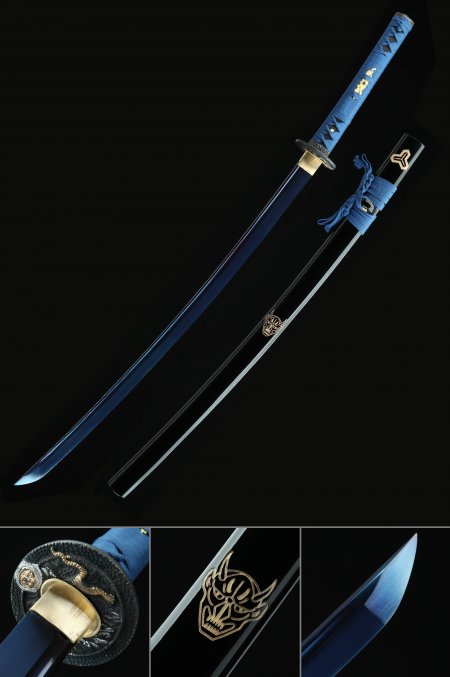
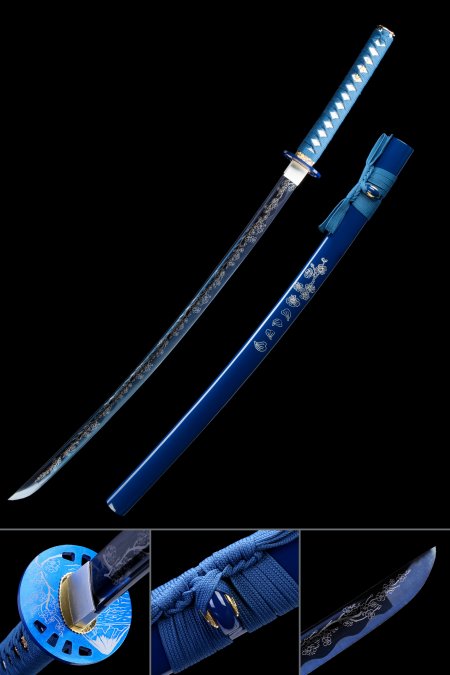
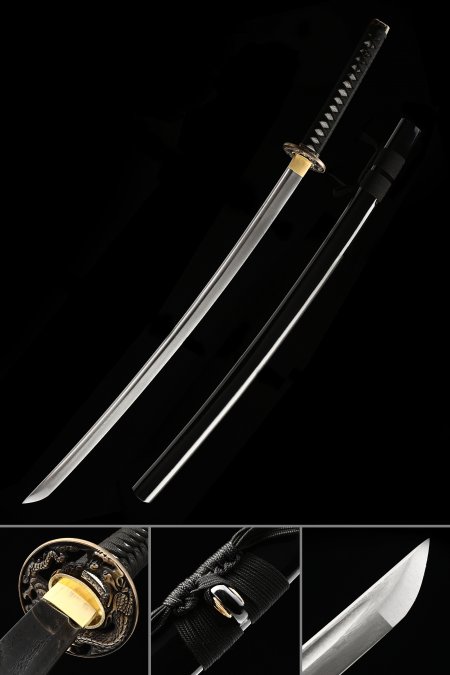
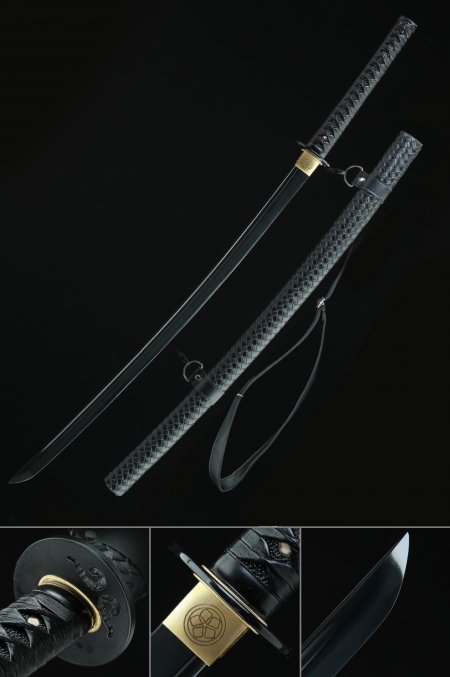
The tachi was historically worn suspended from the belt with the edge facing downward, which is the opposite orientation from the katana, worn edge-up through the obi. For display purposes, this means a tachi is most historically accurate when presented on a stand or rack with the cutting edge pointing down and the saya visible along the full length of the piece. The curvature (sori) of a tachi blade is also typically more pronounced and begins higher toward the tang, which gives the silhouette a distinctive arc compared to the flatter curve of most katana. Displaying a tachi in a dedicated horizontal rack or a wall-mounted shadow box that respects its length — often exceeding 70 cm in blade length — allows the full sweep of both blade geometry and lacquered saya to read as intended.