How does Damascus steel differ from 1095 carbon steel for display blades?
Updated Mar 2026
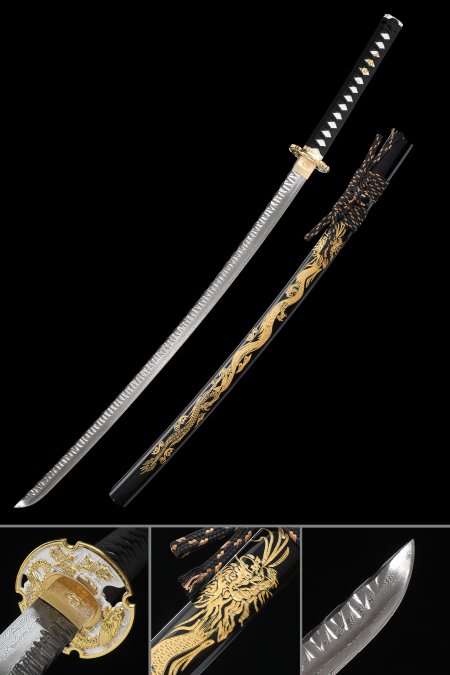
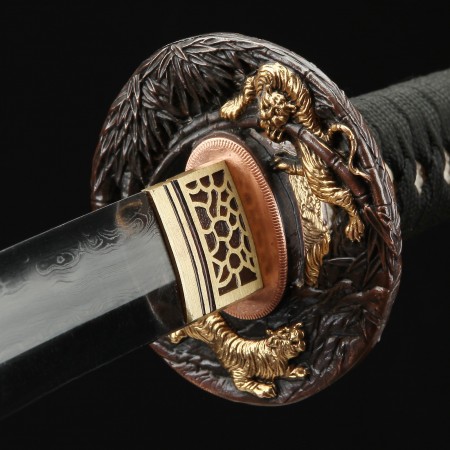
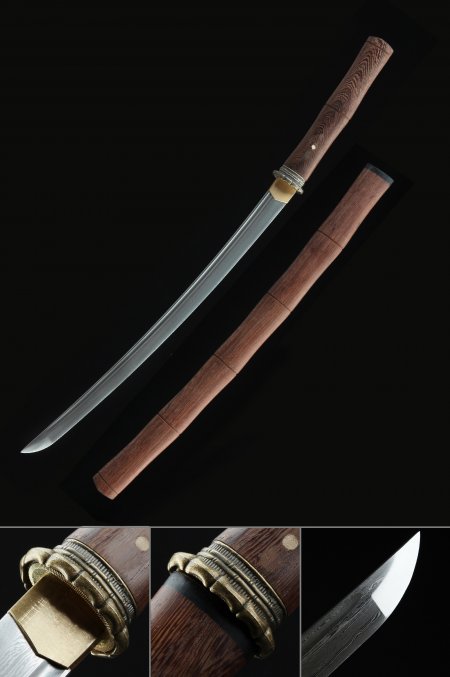
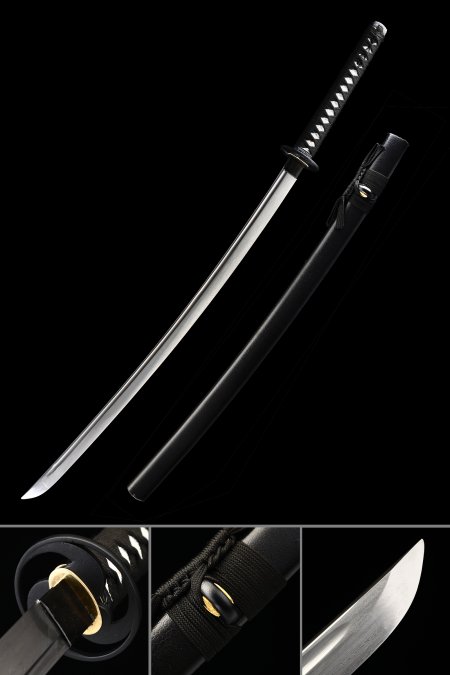
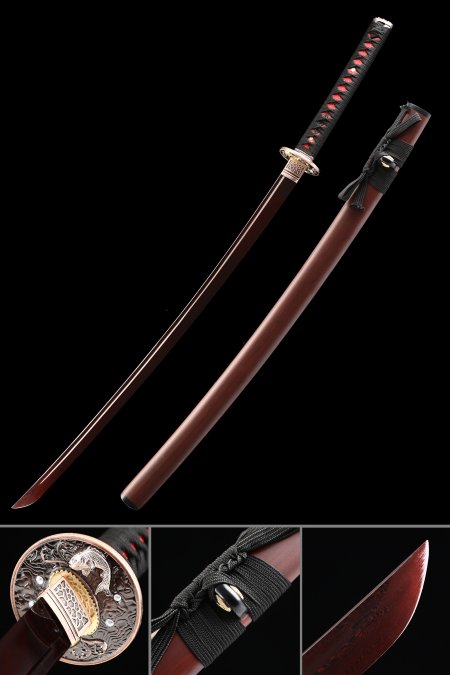
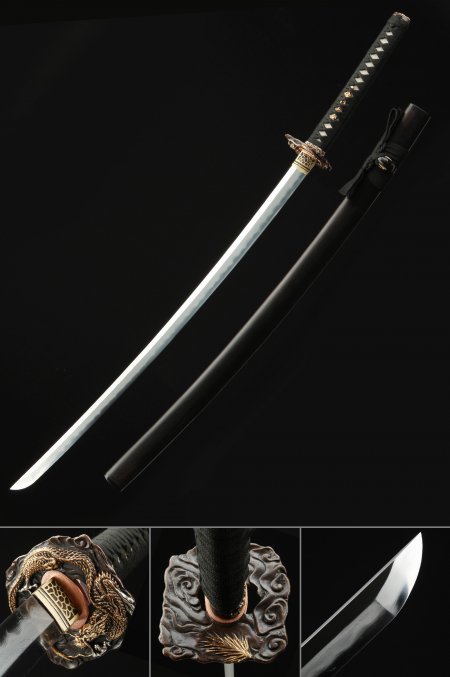
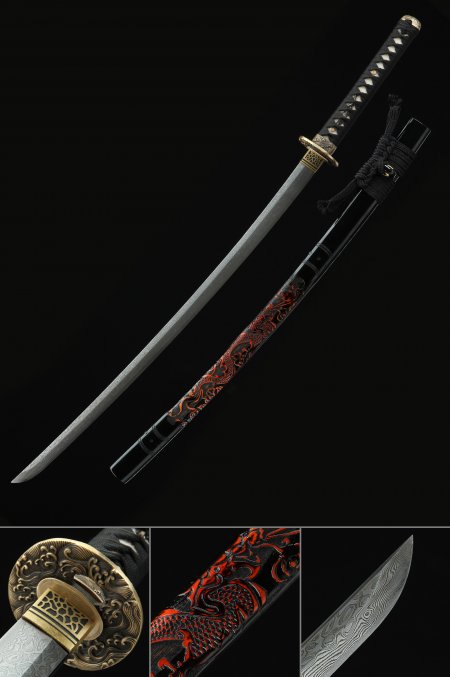
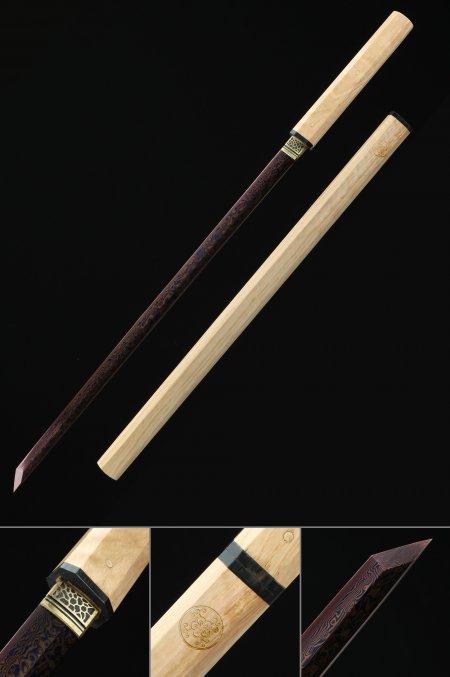
Damascus steel is produced by forge-welding multiple layers of high-carbon steel, then manipulating and folding the billet to create flowing grain patterns visible on the finished, etched blade surface. The visual result is a swirling, cloud-like texture that collectors recognize as evidence of the layering process itself. 1095 carbon steel, by contrast, is a single-composition high-carbon steel valued for its ability to produce a vivid, well-defined hamon — the temper line formed during clay-coat quenching. Collectors who prioritize surface pattern tend toward Damascus; those who prioritize a dramatic, natural hamon activity often prefer 1095. Both are excellent choices for display-grade collectibles.