What is a real hamon, and why does it matter for collectors?
Updated Mar 2026
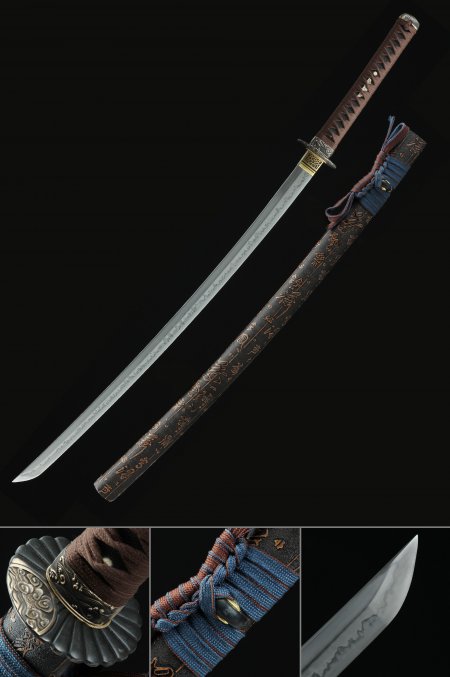
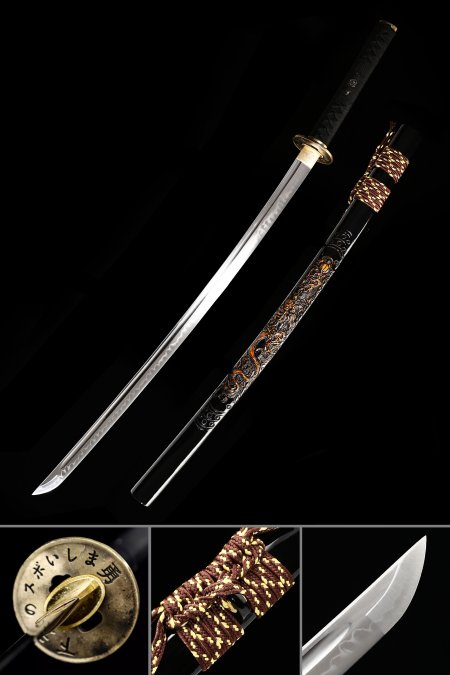
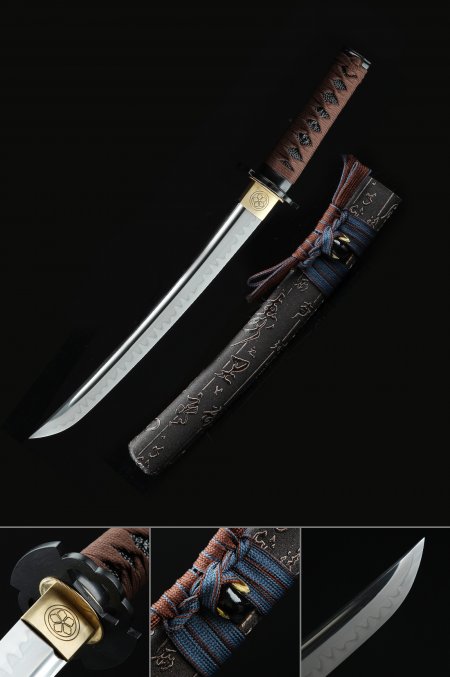
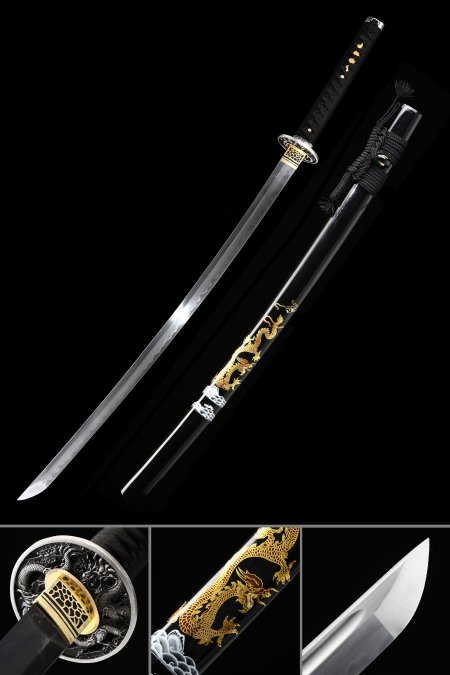
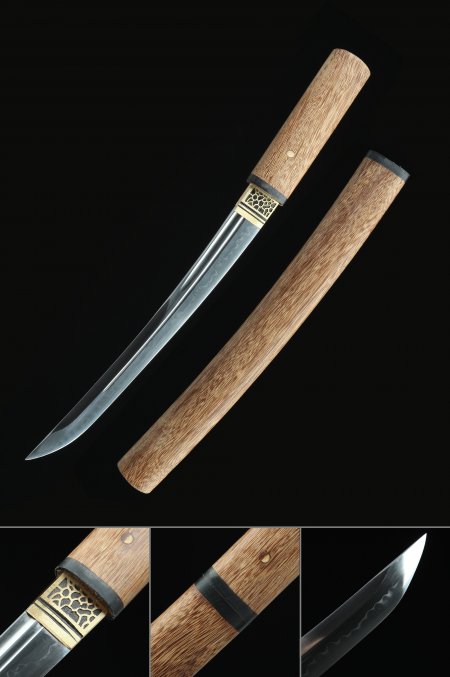
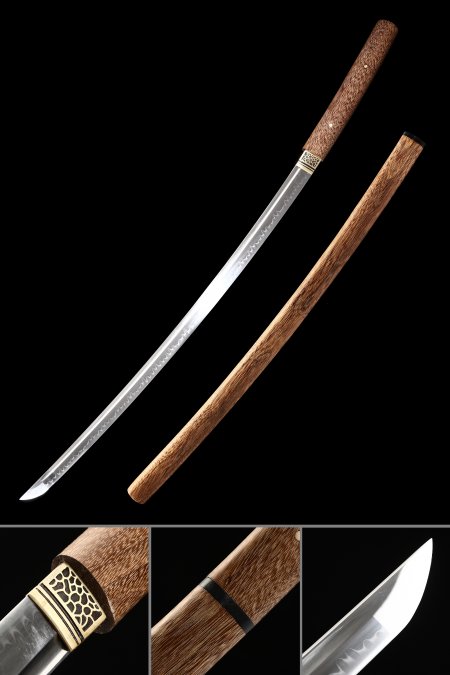
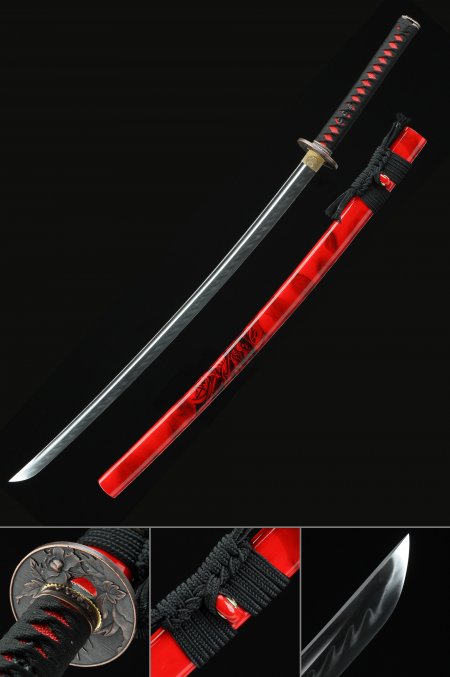
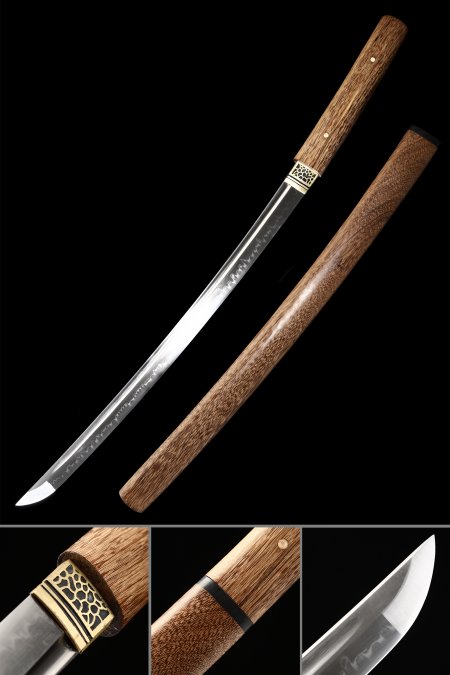
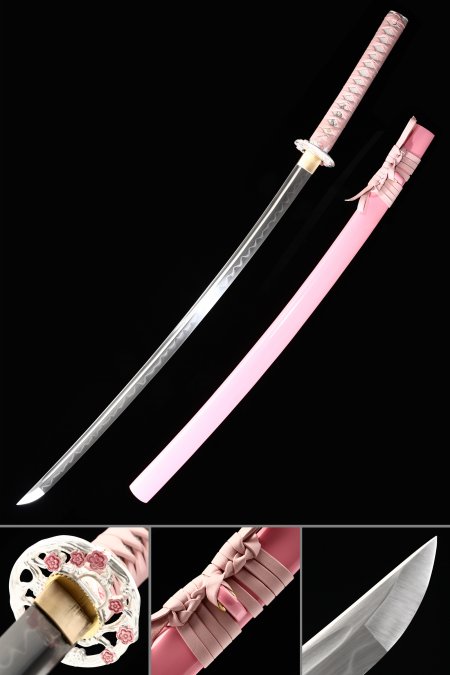
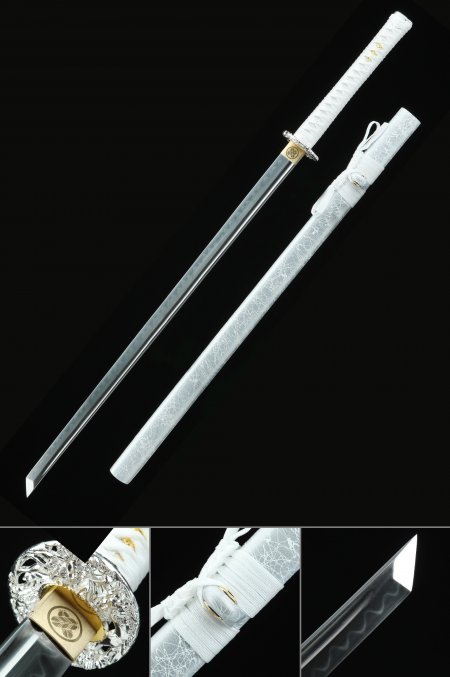
A real hamon is the temper line produced during differential heat treatment, where clay is applied to the spine of the blade before quenching in water. The clay insulates the spine, causing it to cool slowly and remain relatively soft (pearlite structure), while the uncoated edge hardens rapidly into martensite. The visible boundary between these two crystalline structures is the hamon. In T10 steel, the high carbon content and trace tungsten support fine grain formation, which makes hamon activity—including nie (bright granular particles) and nioi (misty transition zones)—especially vivid under light. An acid-etched or painted hamon is purely cosmetic and lacks this metallurgical authenticity. For collectors, a genuine hamon signals that the blade underwent real differential tempering, which is the same fundamental process used in traditional Japanese sword-making.