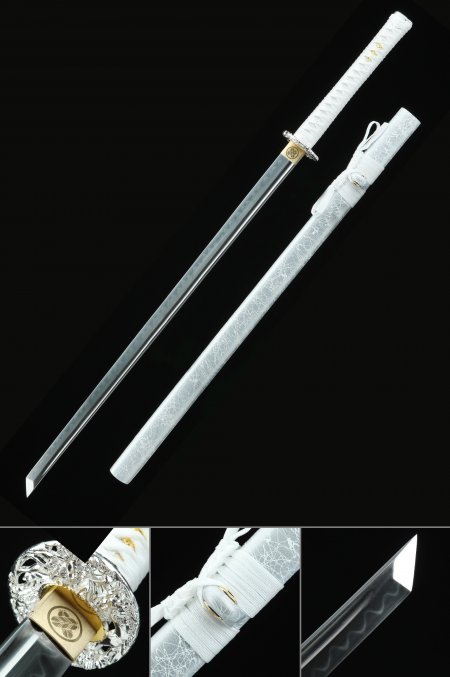
How does T10 clay-tempered steel differ from 1095 on a ninjato?
Updated Mar 2026
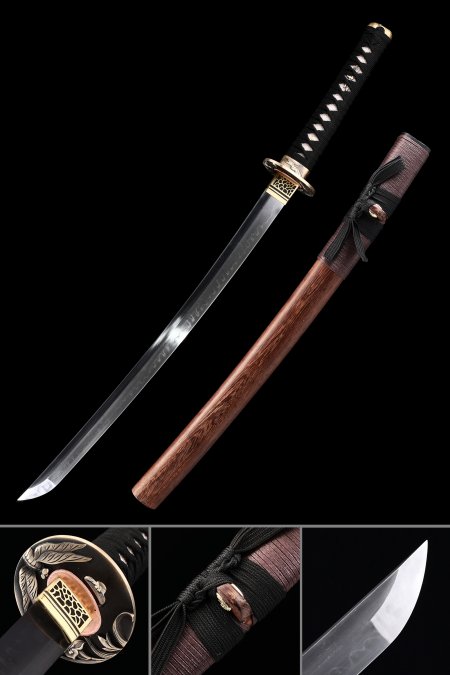
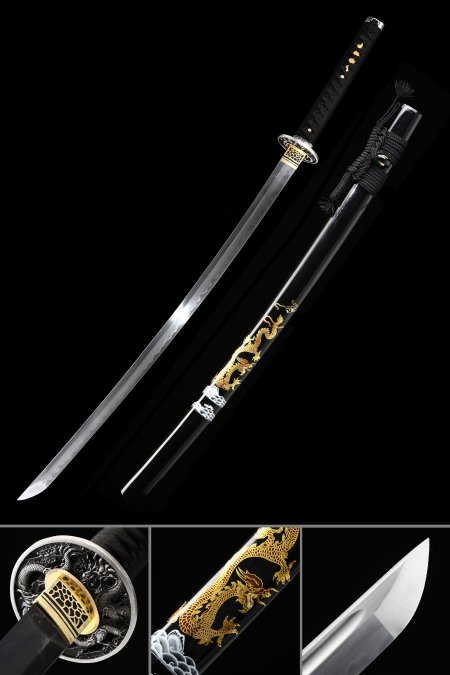
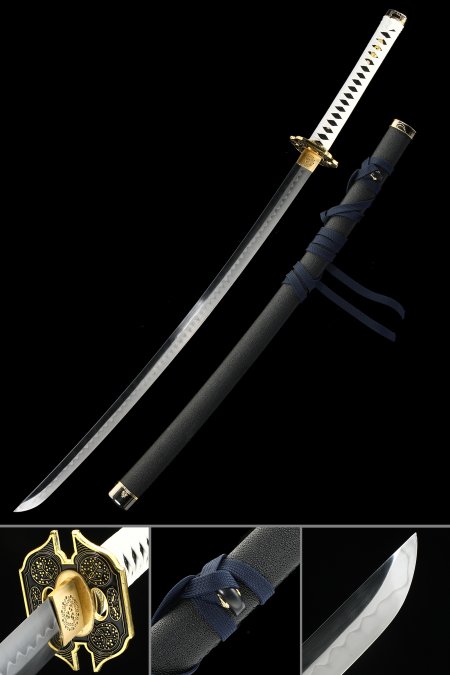
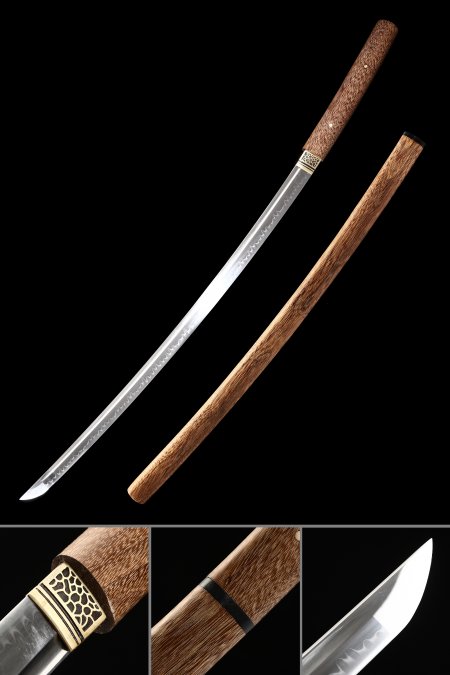
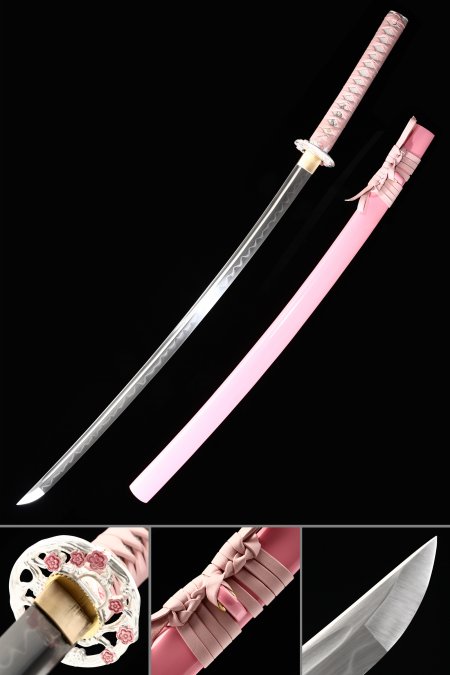
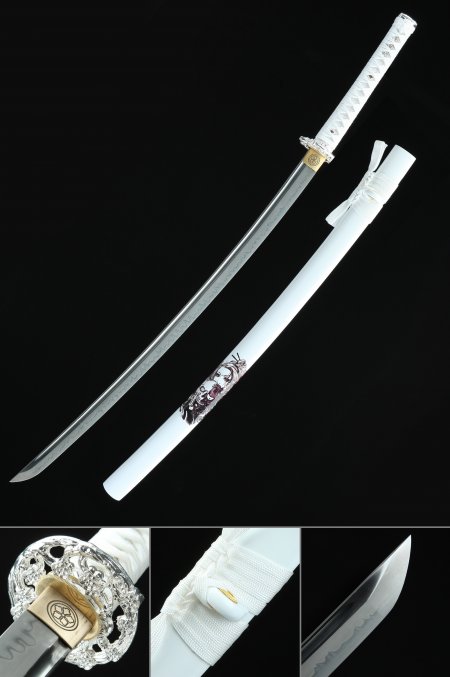
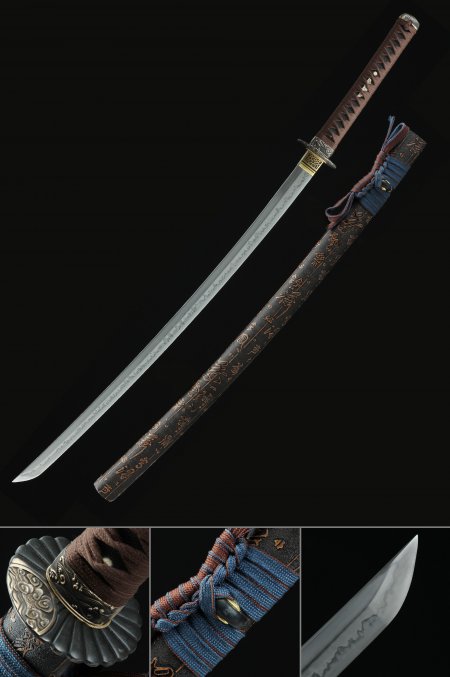
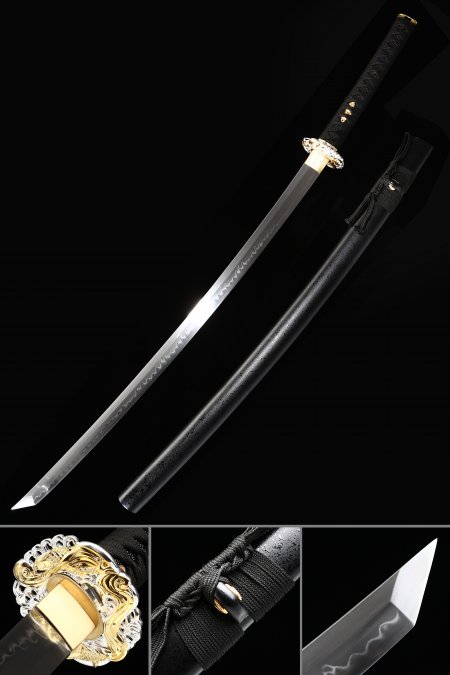
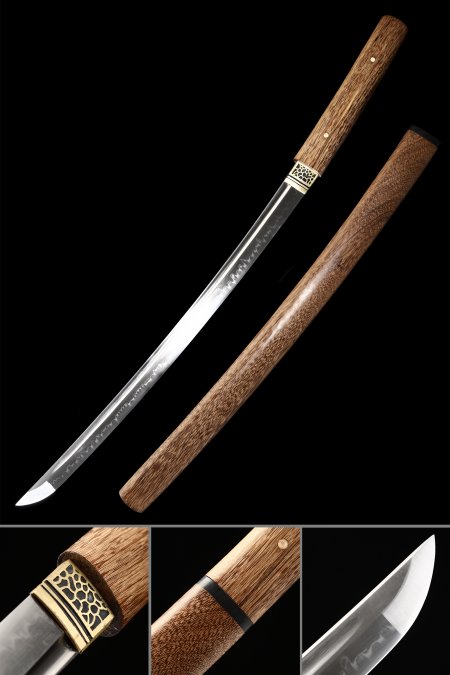
T10 carbon steel contains a small amount of tungsten, which refines grain structure and contributes to edge retention. When clay-tempered, T10 produces a distinct hamon - the temper line visible along the blade's length - because the clay coating applied before quenching causes differential hardness: harder at the edge, slightly more flexible toward the spine. 1095 carbon steel is a well-established high-carbon grade that also responds to heat treatment reliably and is generally more affordable to produce. Collectors who prioritize a visible hamon as a mark of craftsmanship tend to favor clay-tempered T10, while those focused on overall durability and surface treatment options often choose 1095.