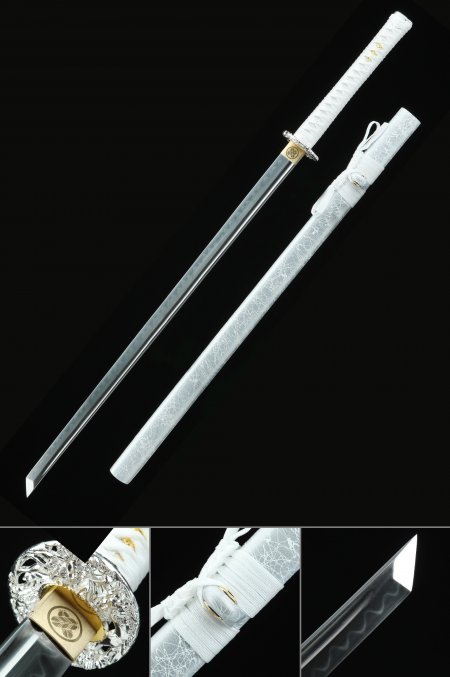
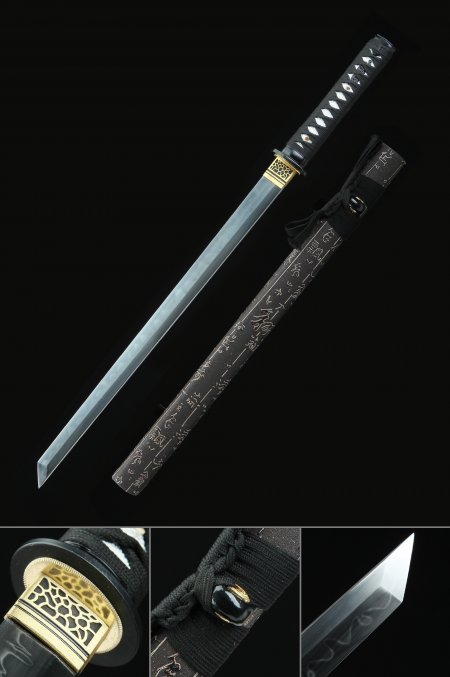
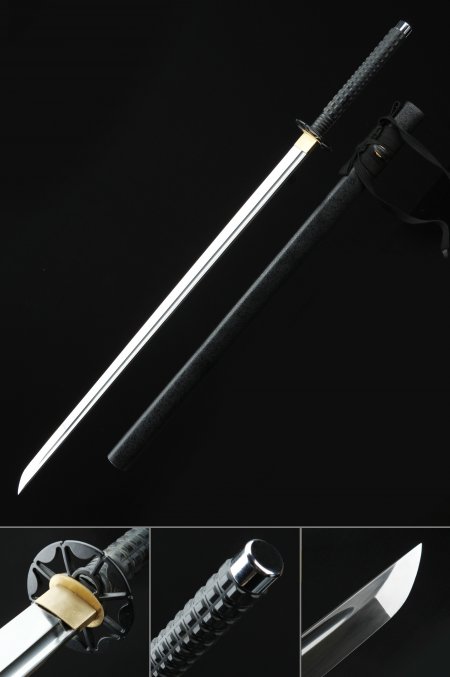
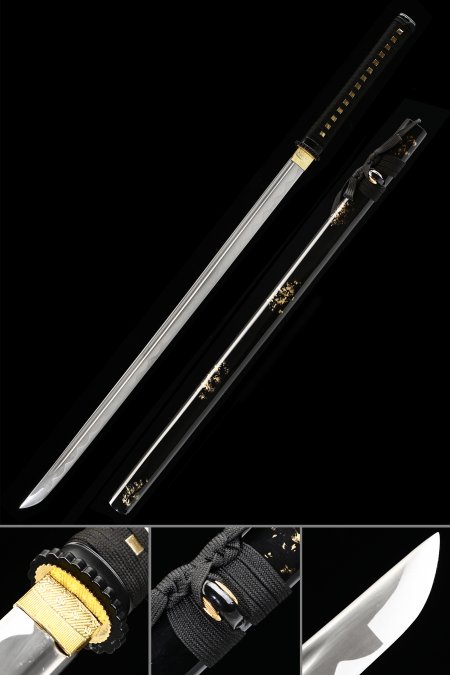
What makes a ninjato different from a katana in design?
Updated Mar 2026
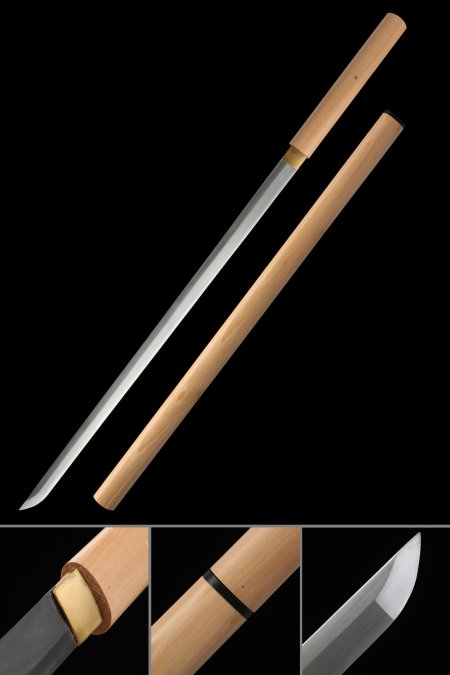
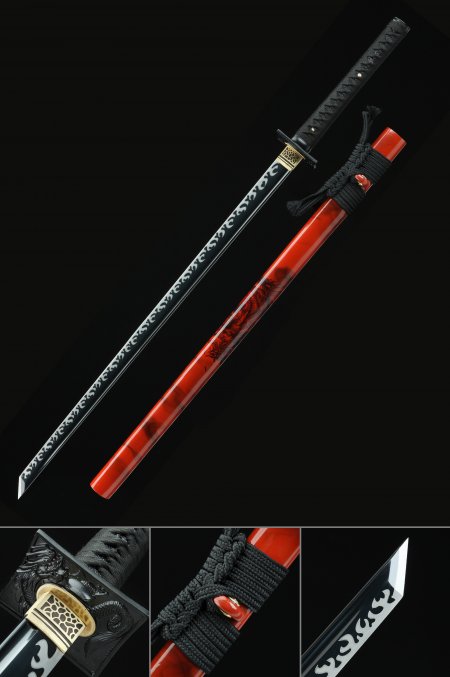
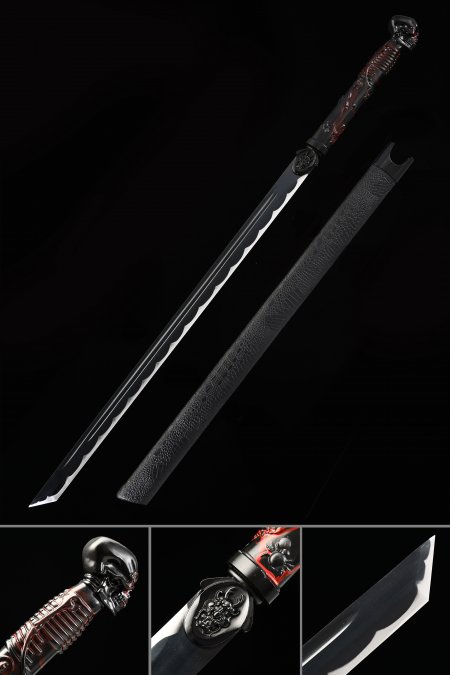
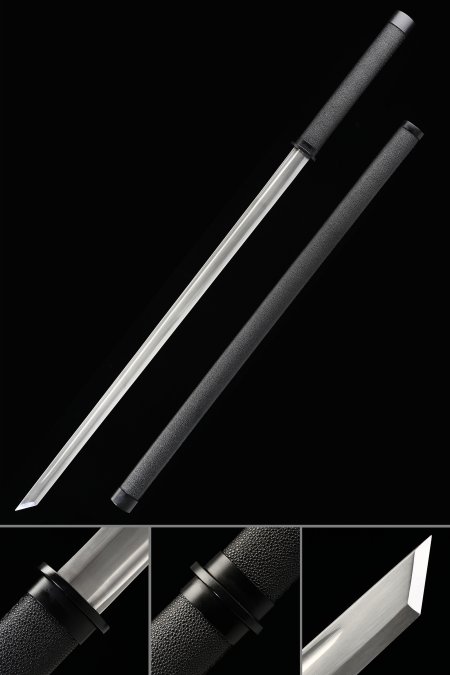
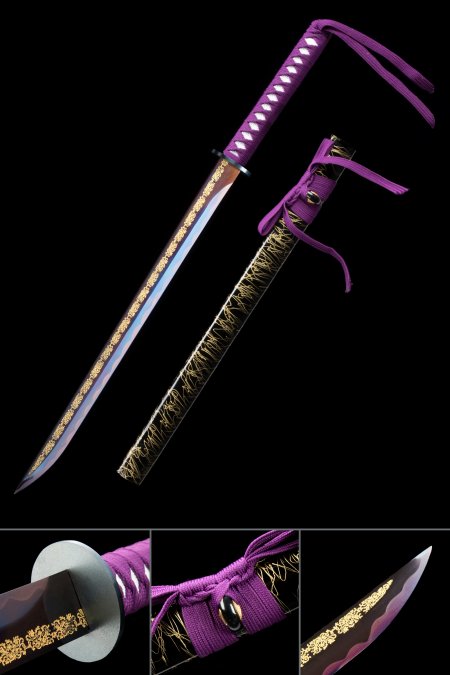
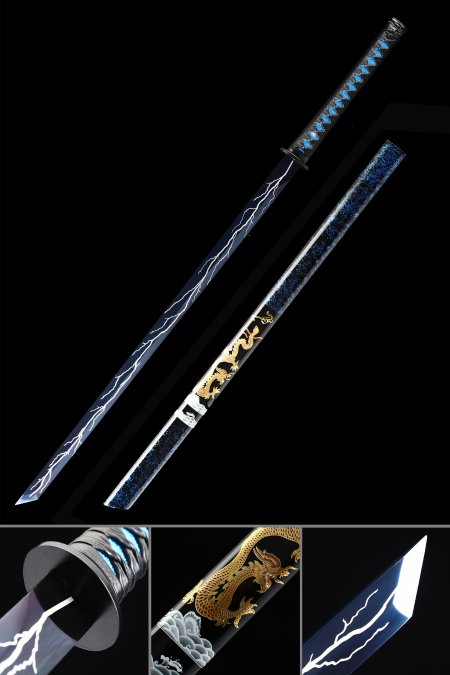
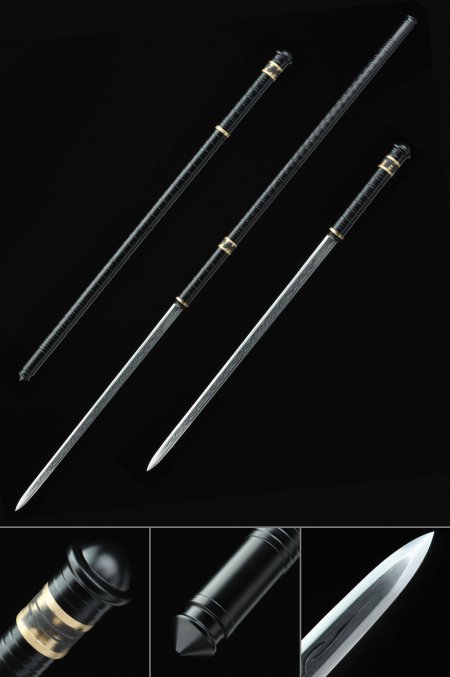
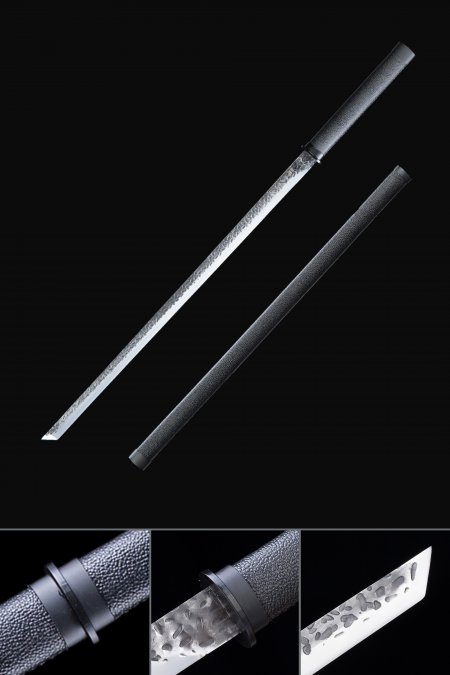
The most immediate distinction is blade geometry. A katana features a pronounced curvature (sori) that develops during the differential hardening process, while a ninjato has a straight or near-straight blade — a geometry that must be intentionally maintained throughout forging and grinding. This straight profile changes the visual weight of the sword entirely, giving it a more austere, architectural appearance. The ninjato also typically features a squarish tsuba rather than the round or oval guards associated with katana, and a shorter overall length. For display collectors, these differences mean a ninjato reads as a visually distinct piece even when placed alongside curved Japanese swords, making it a meaningful addition rather than a redundant one.