How does Damascus steel differ from 1090 carbon steel in these swords?
Updated Mar 2026
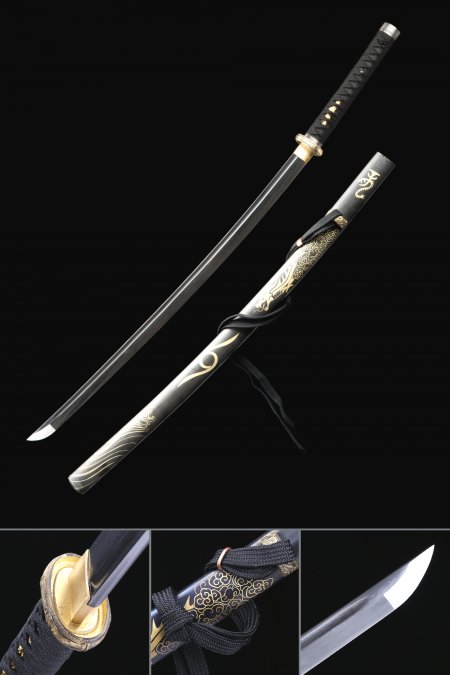
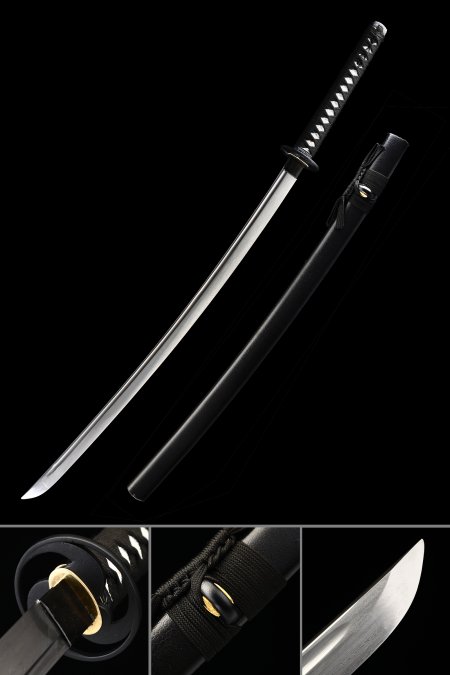
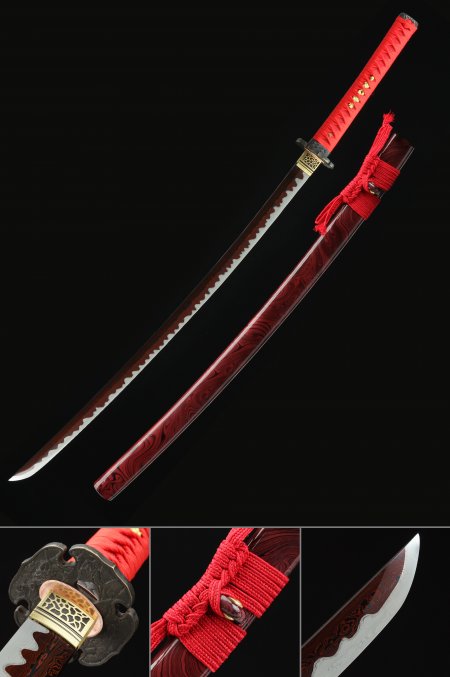
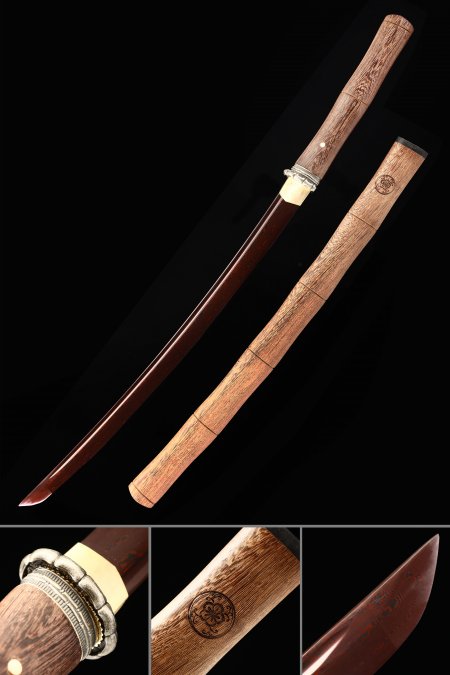
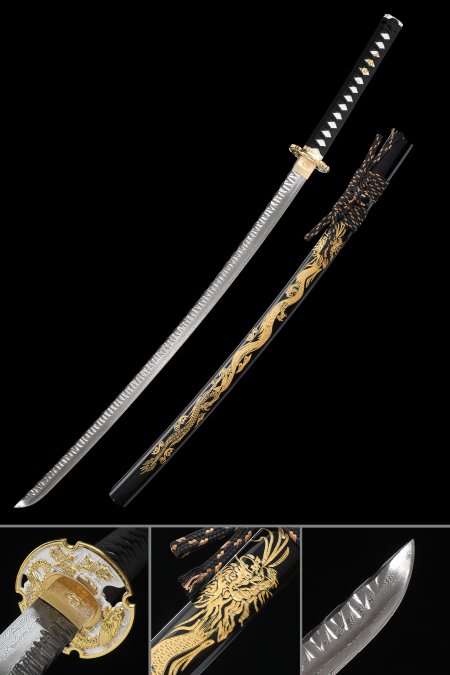
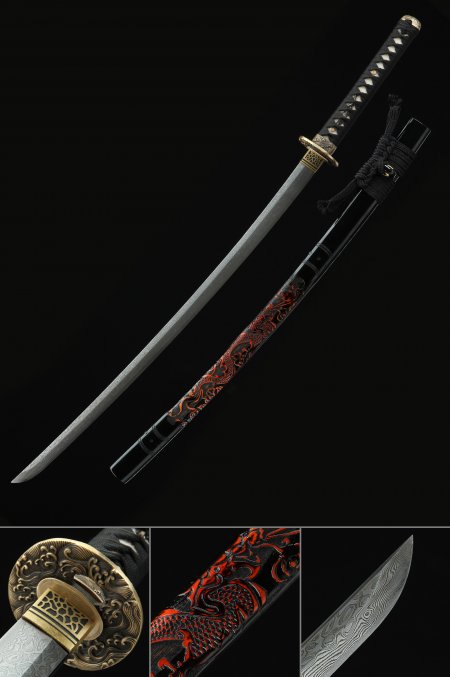
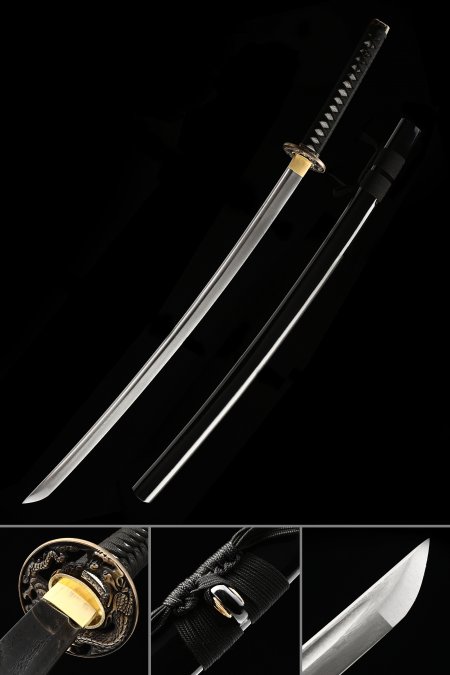
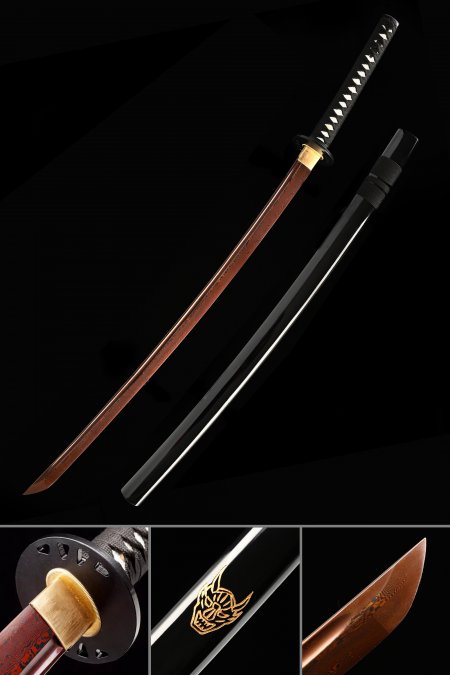
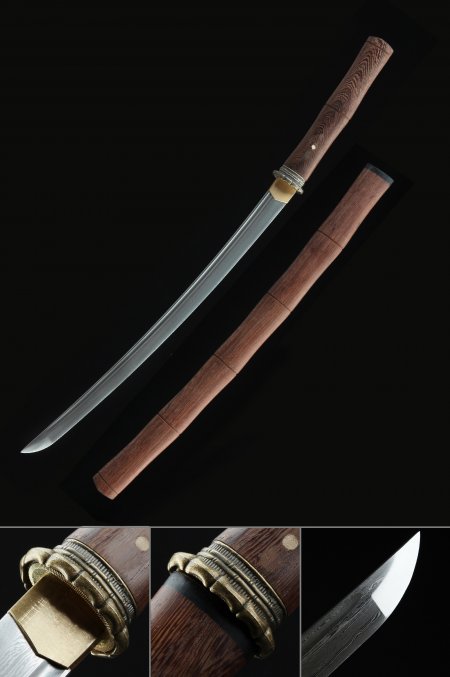
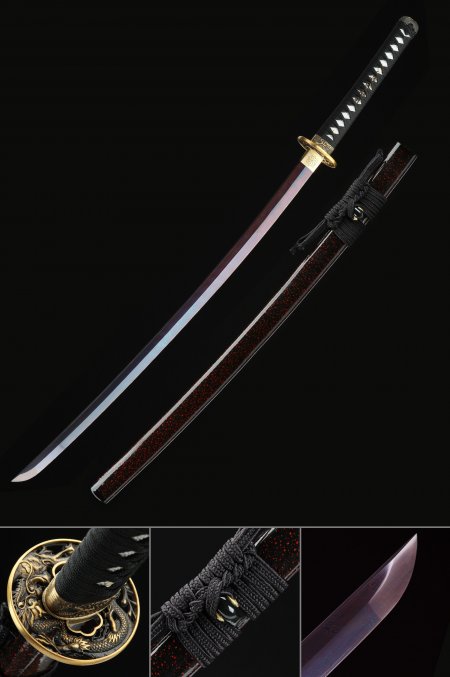
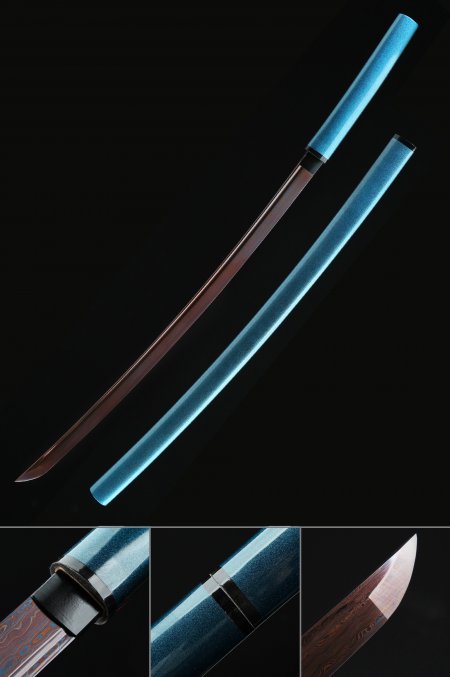
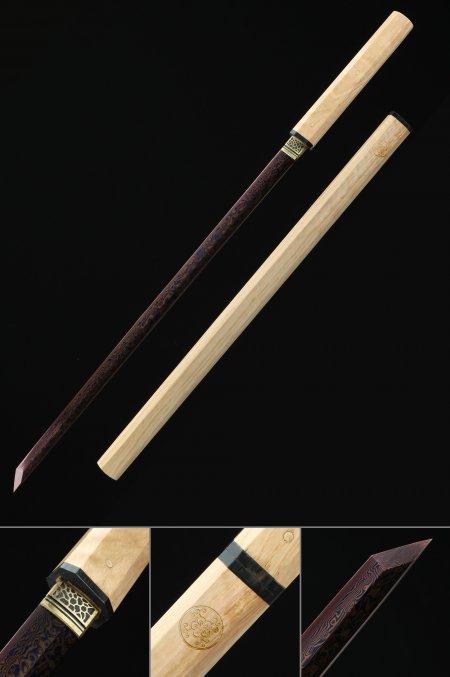
Both steels are legitimate choices for collector-grade swords, but they offer different experiences. 1090 high-carbon steel is a single-composition billet that, after heat treatment, produces a hard, consistent edge geometry. A stone-washed or hand-rubbed finish on 1090 gives the blade a subdued, utilitarian appearance well-suited to the Shin Gunto's military character. Damascus steel, by contrast, is formed by layering and folding two or more steel alloys — typically a high-carbon and a lower-carbon iron — and forge-welding them repeatedly. The result is a billet with a flowing grain pattern called hada that becomes visible after acid etching. Each Damascus blade is visually unique. From a collector's standpoint, Damascus represents a higher investment in craft and visual distinction, while 1090 prioritizes historical accuracy of finish and accessibility. Neither is definitively "better" — the choice depends on what the collector values most in a display piece.