How is clay tempering different from standard heat treatment?
Updated Mar 2026
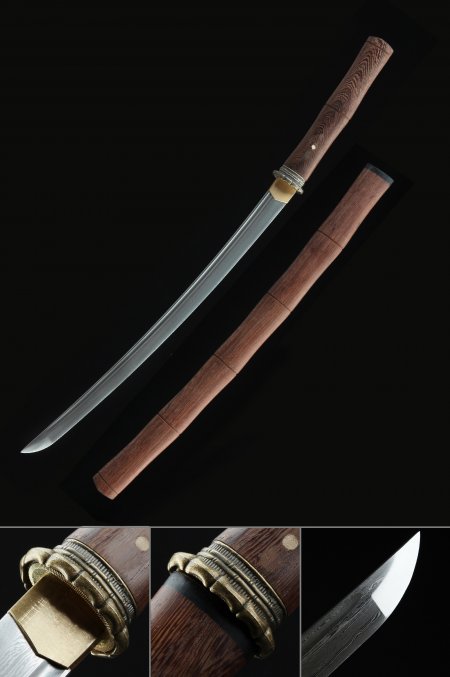
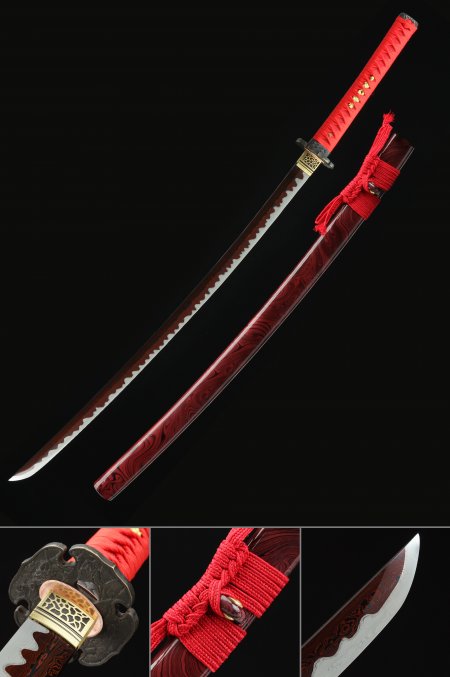
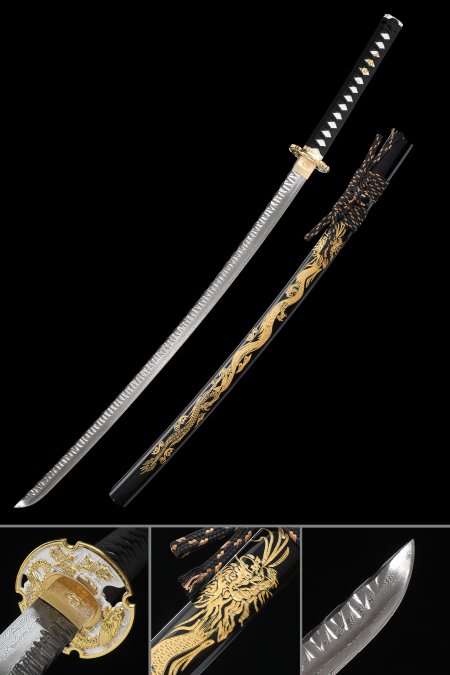
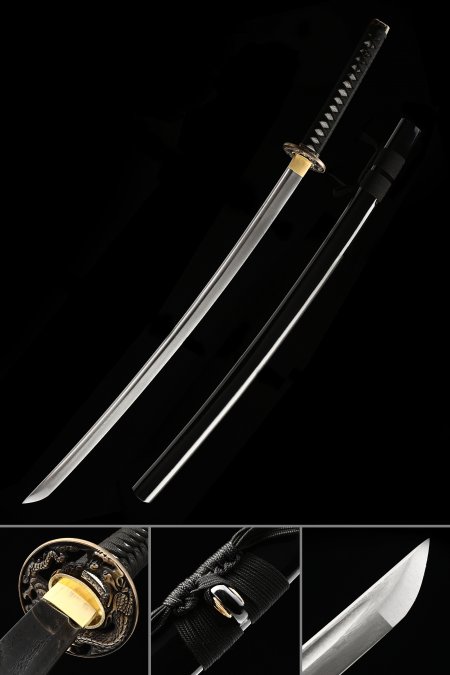
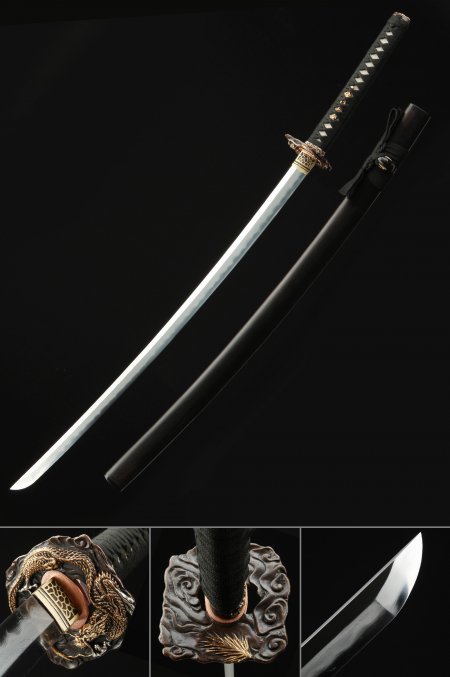
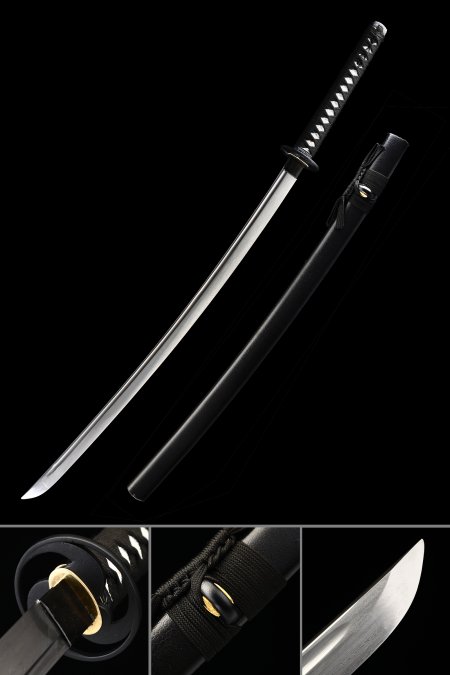
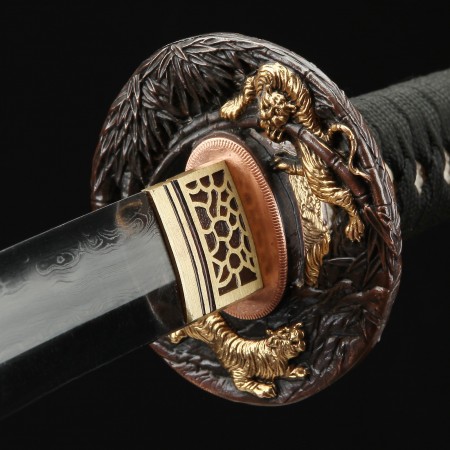
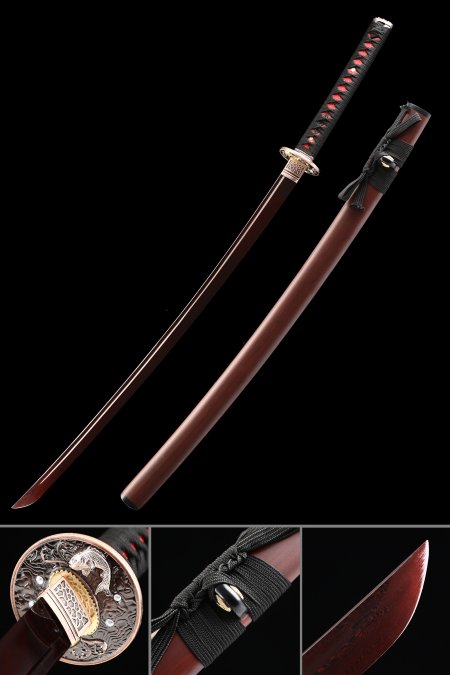
Standard heat treatment applies uniform temperature across the entire blade, producing consistent hardness from edge to spine. Clay tempering — known in Japanese as tsuchioki — changes this by coating the spine and thicker areas of the blade with an insulating clay mixture before the quench. When the blade is plunged into water or oil, the uncoated edge cools rapidly and hardens to a higher degree, while the clay-insulated spine cools more slowly and remains comparatively tough. This differential results in the hamon, the visible temper line that marks where the two hardness zones meet. On T10 high-carbon steel, the hamon tends to appear with strong contrast and fine detail. On Damascus or pattern-welded steel, the interaction between the layered material and the clay line produces a more complex visual result. The hamon on a properly clay tempered blade is a genuine metallurgical feature, not a surface finish.