What do the different tsuba motifs in this collection symbolize?
Updated Mar 2026
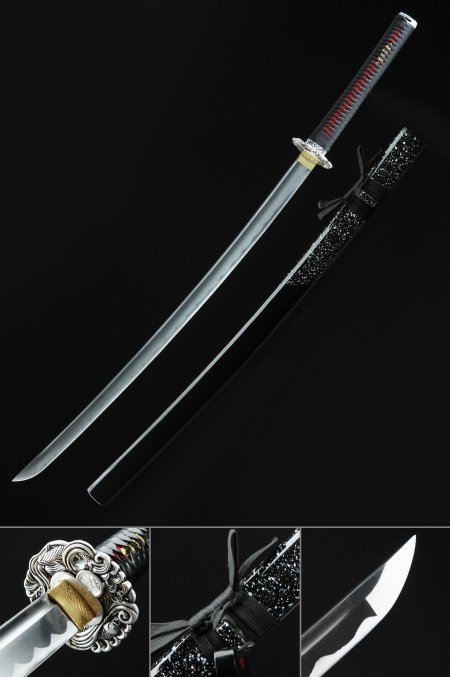
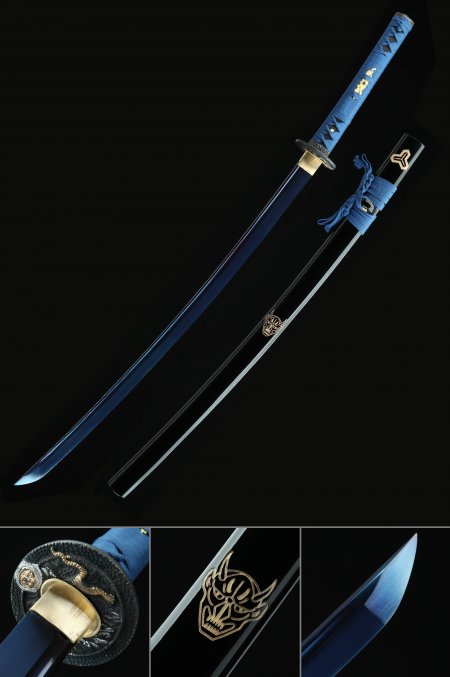
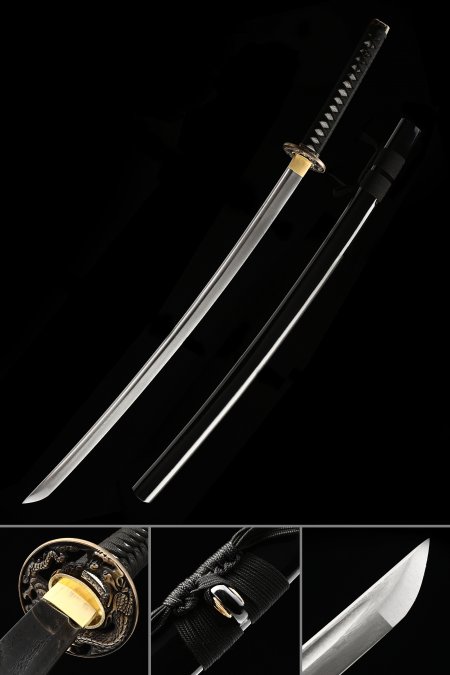
Tsuba iconography in Japanese sword culture carries specific symbolic layering. The shrimp motif, common in Edo-period metalwork, was associated with longevity - the bent posture of the shrimp was read as the silhouette of an elder, making it a gift-appropriate symbol. Dragon imagery spans multiple Japanese artistic traditions and generally represents strength, transformation, and guardianship; dragon tsuba appear across sword furniture from the Muromachi period onward. Koi, frequently depicted swimming upstream, carry associations of perseverance and achievement - a meaning derived from the Chinese legend of the carp that becomes a dragon after climbing a waterfall. Choosing a tsuba motif is therefore as much a statement of personal symbolism as it is an aesthetic decision, which is why collectors often select pieces whose iconography holds personal resonance.