What is the difference between hamidashi and shirasaya tanto fittings?
Updated Mar 2026
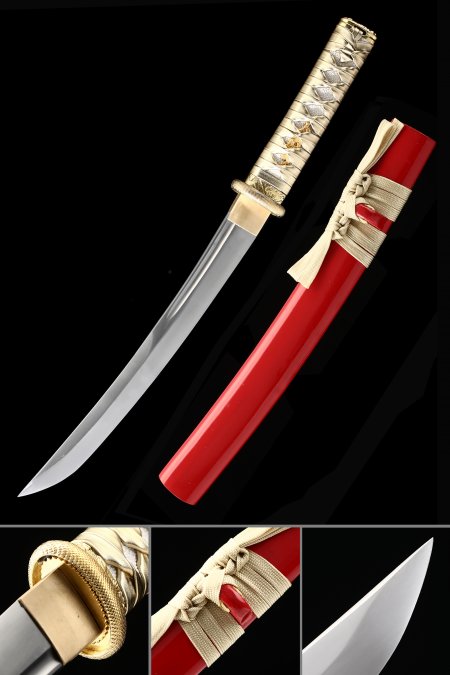
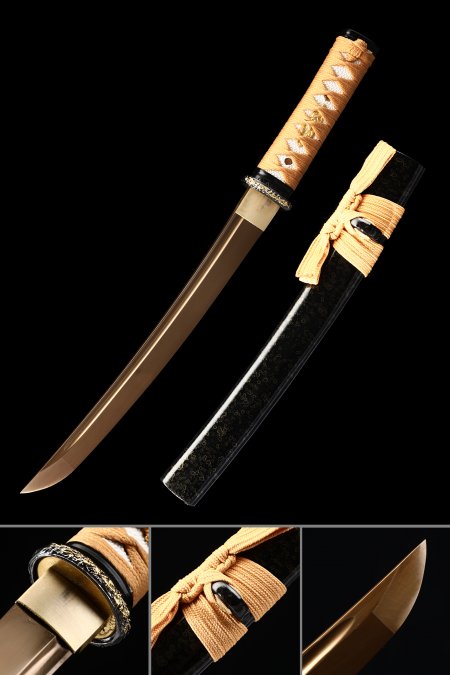
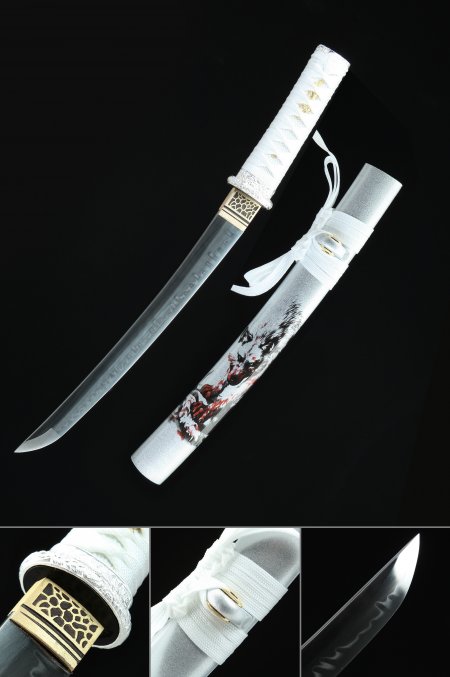
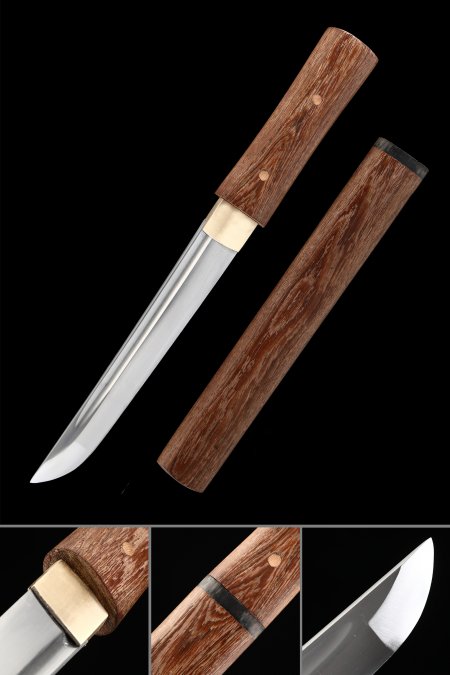
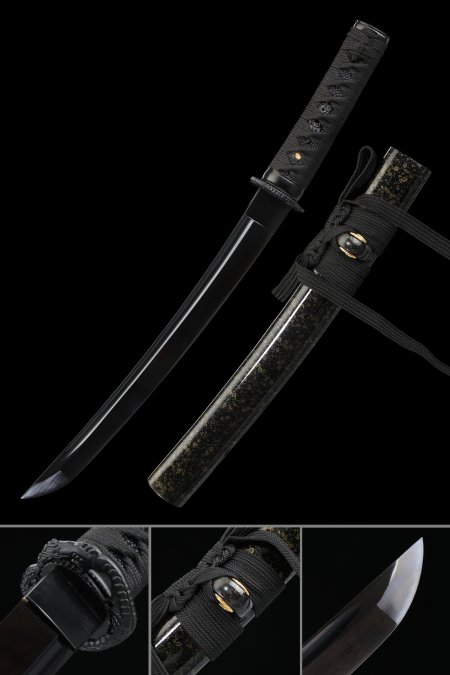
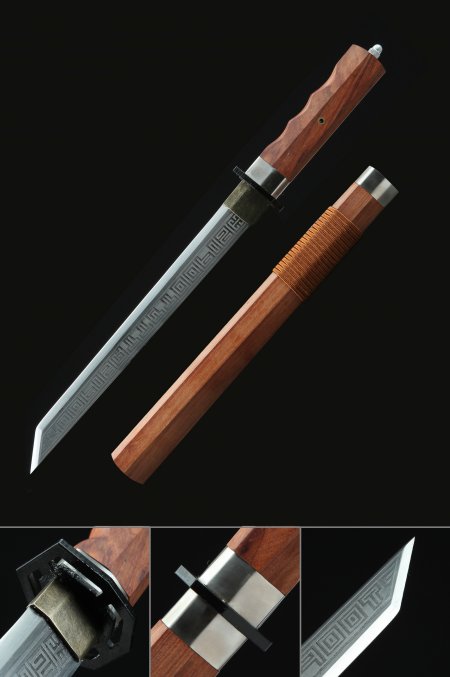
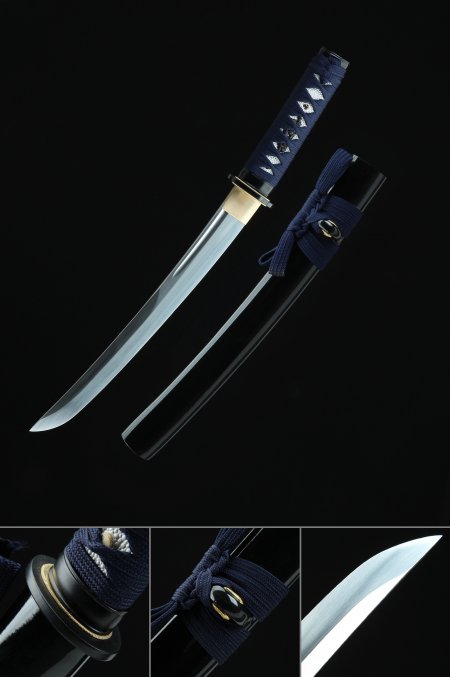
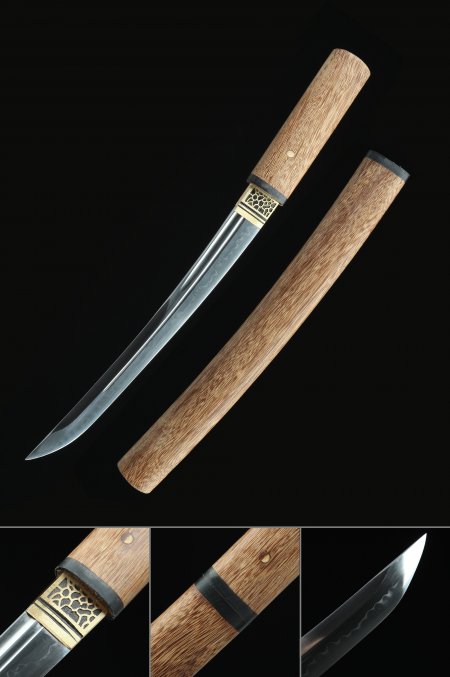
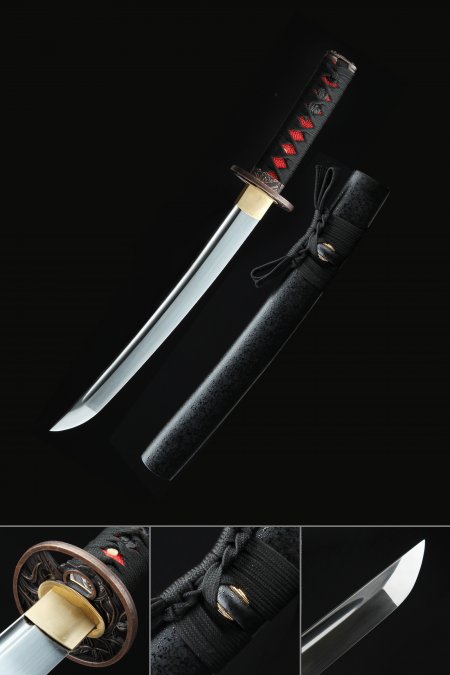
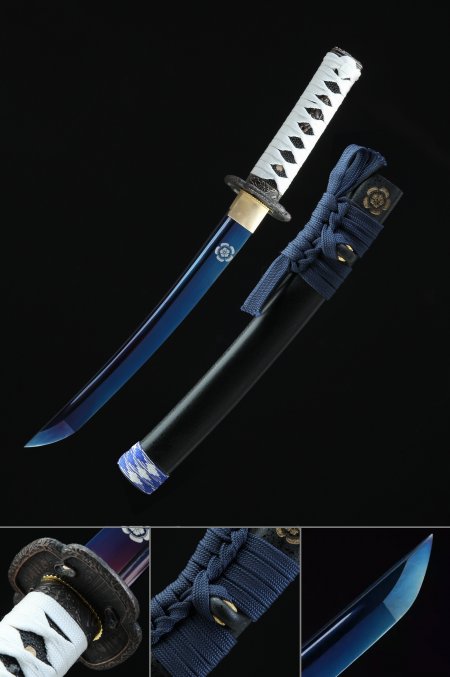
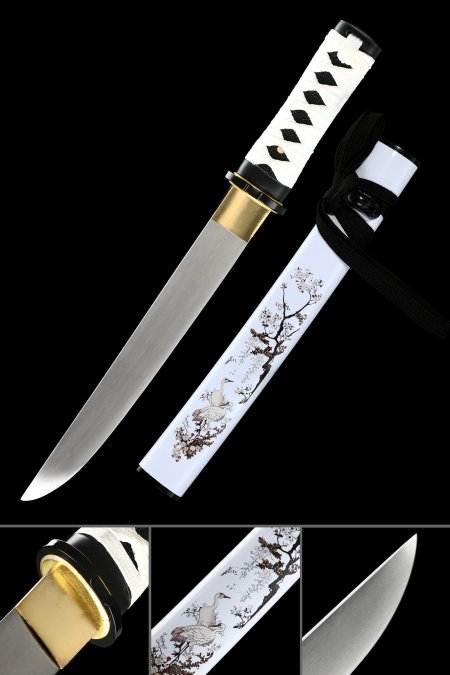
Hamidashi is a fitting style featuring a very small, almost vestigial hand guard — a tsuba just barely larger than the handle collar — giving the piece a compact, integrated look while retaining the traditional structural separation between handle and blade. Shirasaya, by contrast, uses no guard at all: the blade fits into a plain wooden handle and matching saya as a single uninterrupted form. In Japanese tradition, shirasaya was associated with long-term storage and the work of polishers or appraisers who needed clean, unobstructed access to study a blade. For collectors, the choice between the two is largely aesthetic — hamidashi reads as classical koshirae-influenced, while shirasaya communicates scholarly restraint.