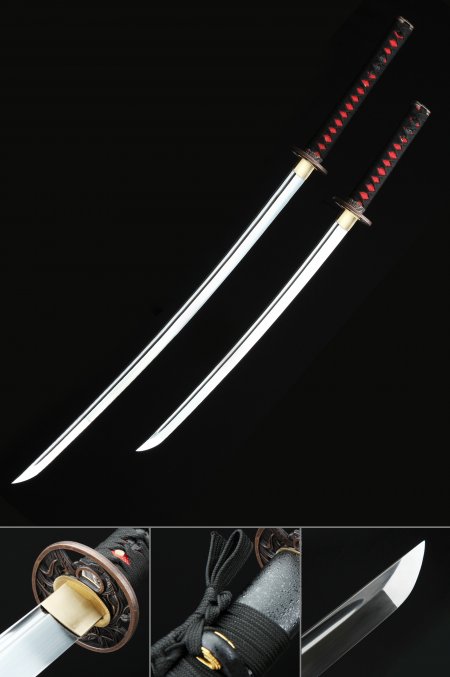
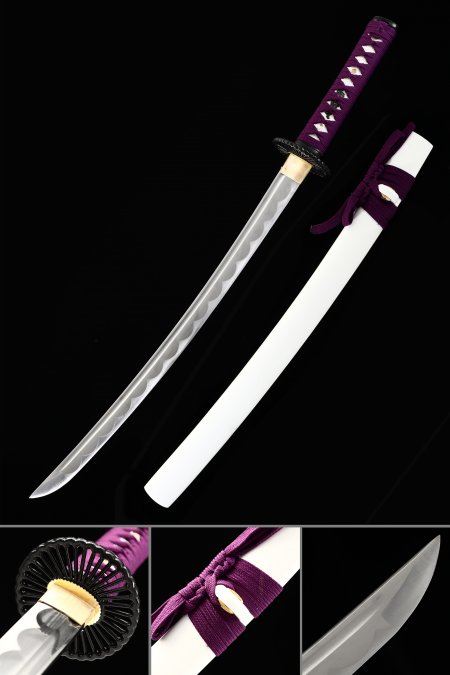
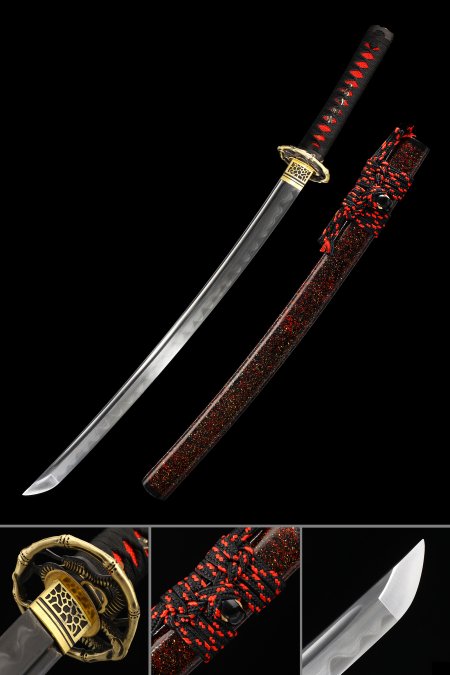
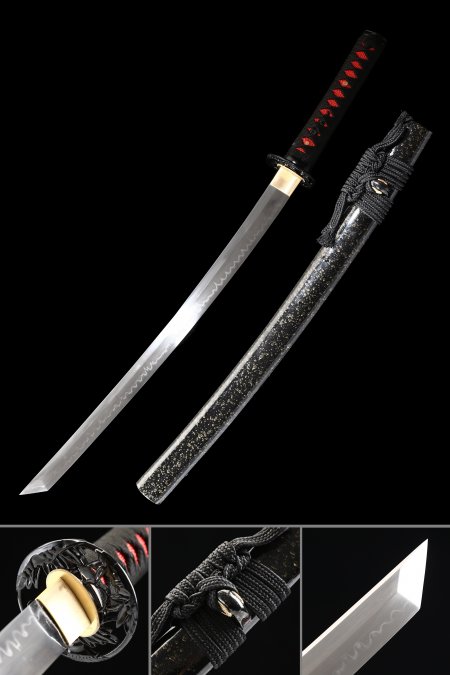
What makes geometric tsuba different from other tsuba styles?
Updated Mar 2026
Geometric tsuba follow a design philosophy rooted in structured symmetry and repeating mathematical forms - grids, radial patterns, interlocking diamonds, and angular lattices - rather than the organic motifs like dragons, flora, or landscapes found on naturalistic guards. Historically, geometric designs were associated with restraint and precision, and they were often produced by metalworkers who specialized in architectural and decorative metalwork. On a collectible wakizashi, a geometric tsuba tends to create a strong visual anchor point between handle and blade, making the piece legible and compelling even when displayed at a distance. The style also pairs well with both ornate lacquer saya and minimalist hardwood mountings, giving collectors flexibility in how they build a display.