What makes gold and silver tsuba historically significant?
Updated Mar 2026
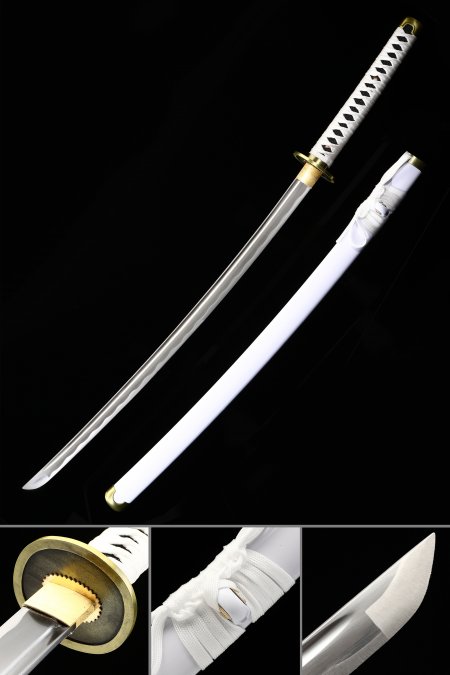
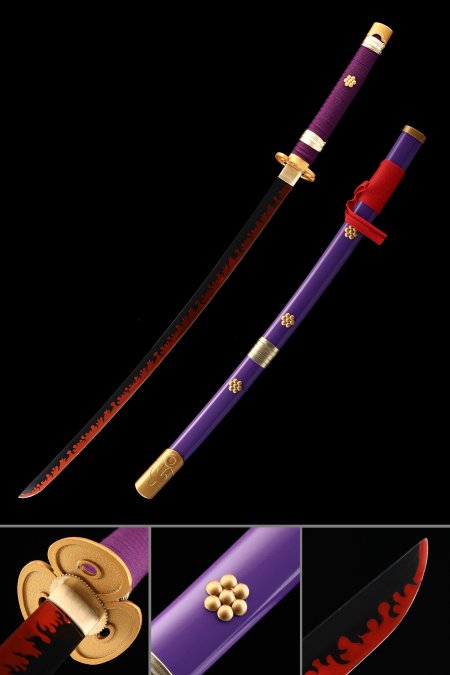
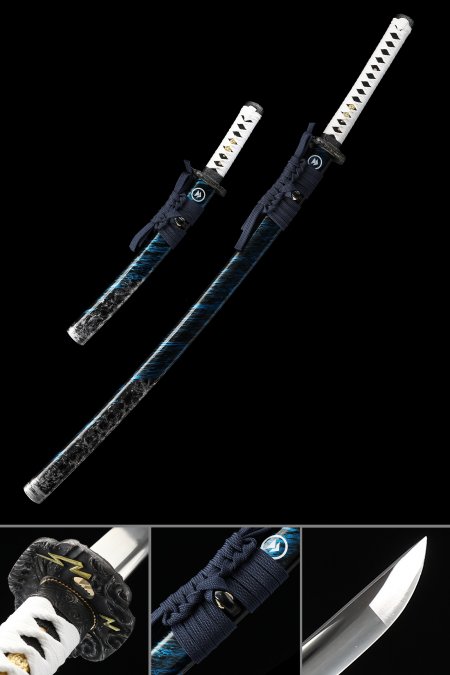
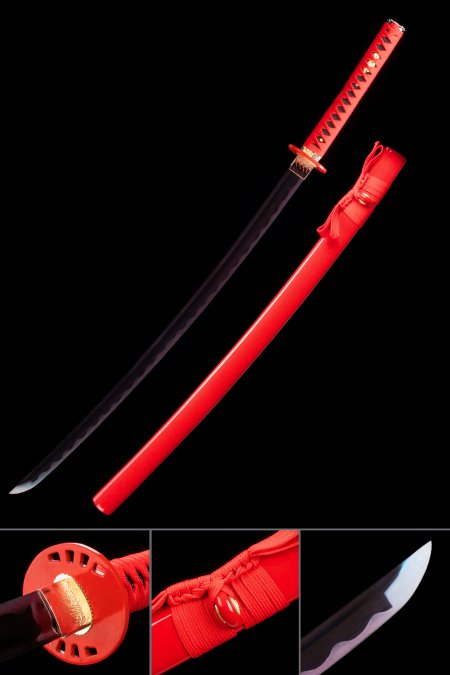
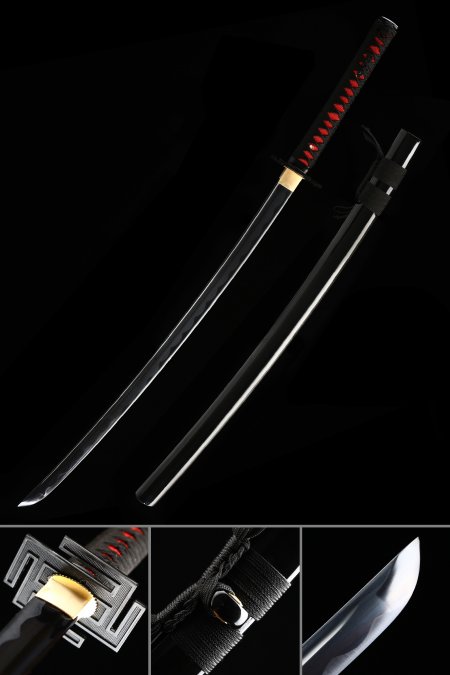
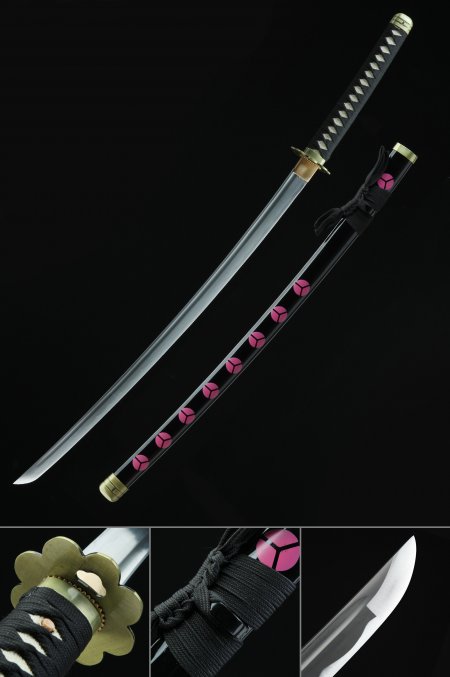
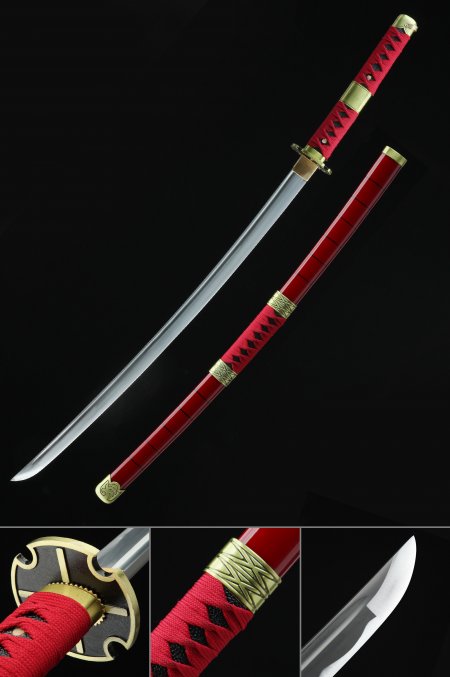
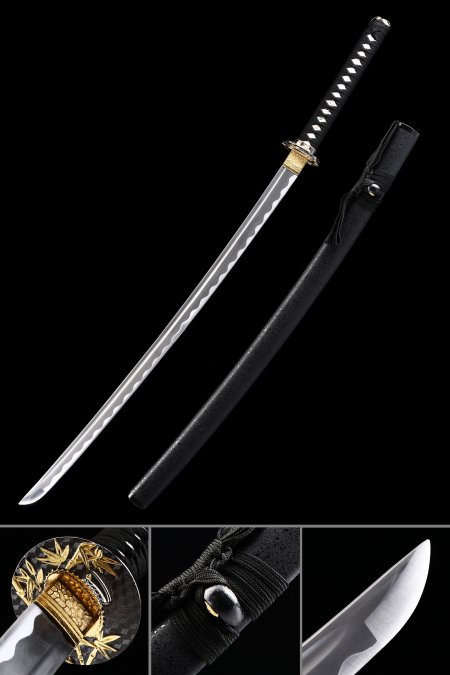
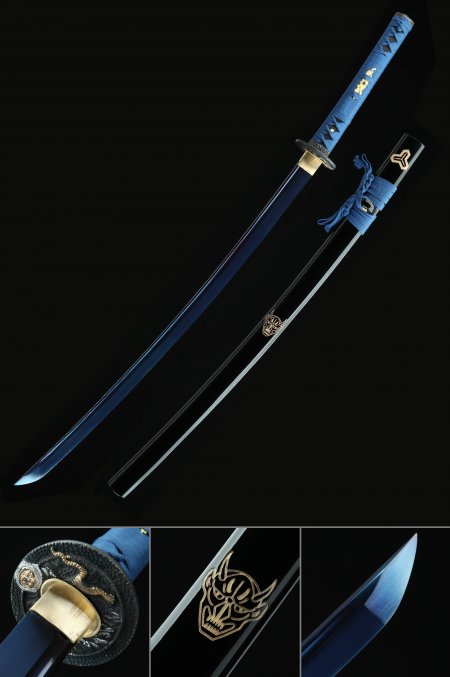
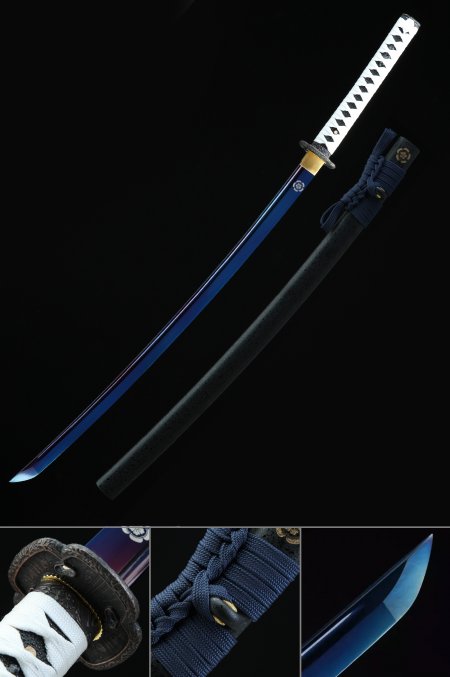
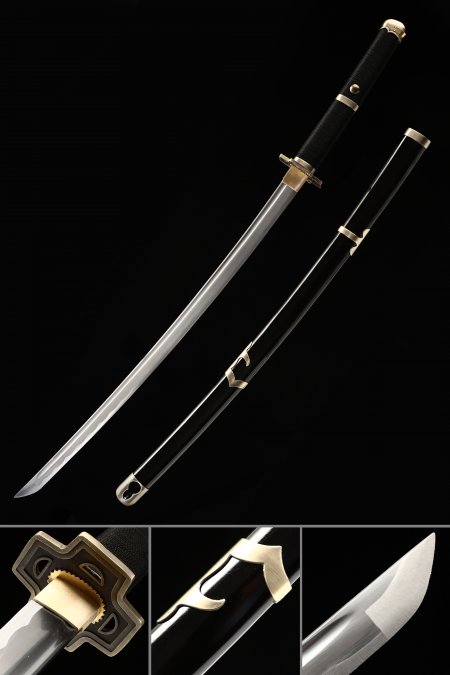
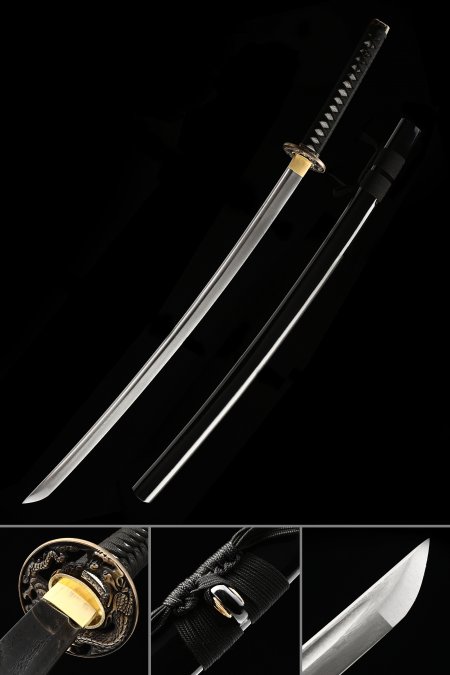
In feudal Japan, gold and silver finishes on sword fittings were not purely decorative choices — they carried social and ceremonial weight. Iron and shakudo (a copper-gold alloy darkened to near-black) were standard materials for everyday samurai mounts, while gilded or silvered tsuba were associated with formal presentation swords, gifts between lords, and court ceremonial pieces. This hierarchy of materials is why gold and silver tsuba remain visually distinctive in a collection: they reference a specific register of Japanese blade culture that sat above functional field use. Modern reproductions that apply gold or silver tones to cast zinc alloy or brass guards draw on this tradition, giving collectors a visually accurate reference to high-status historical koshirae without the rarity cost of antique originals.