How is a real hamon formed, and why does it matter for collectors?
Updated Mar 2026
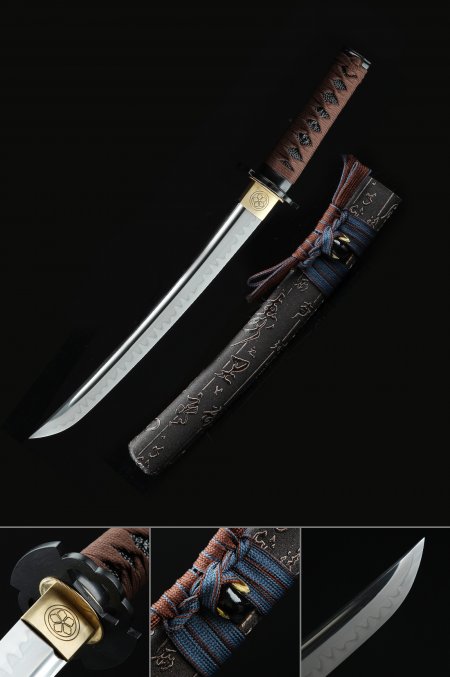
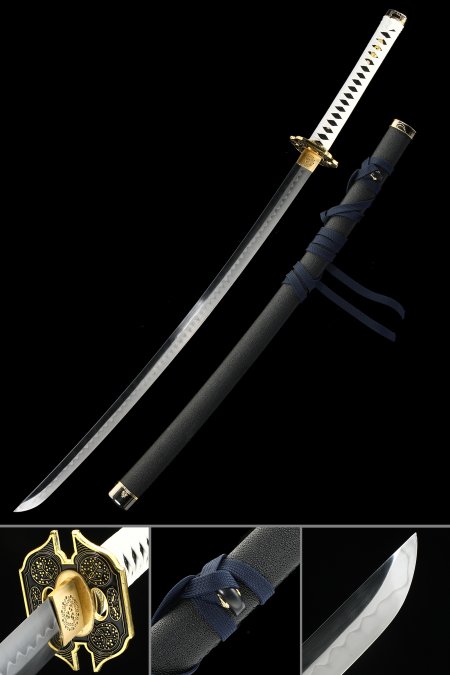
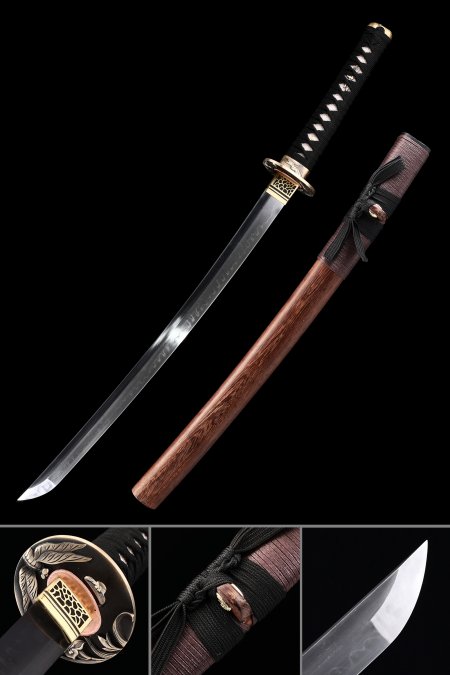
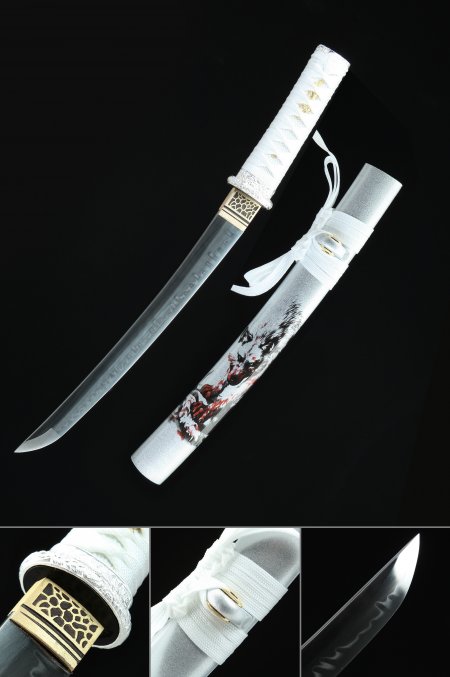
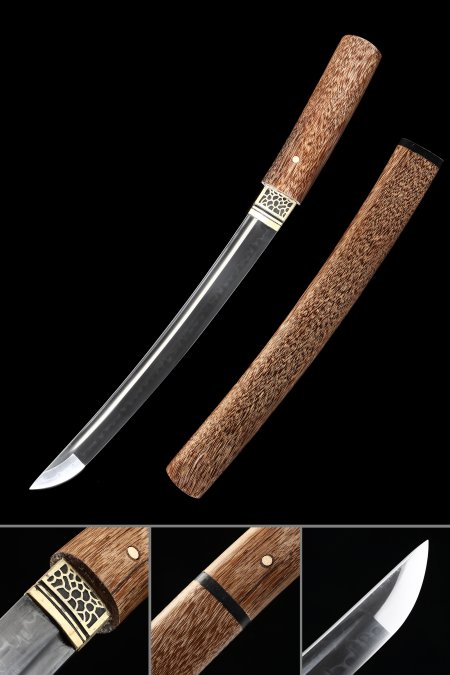
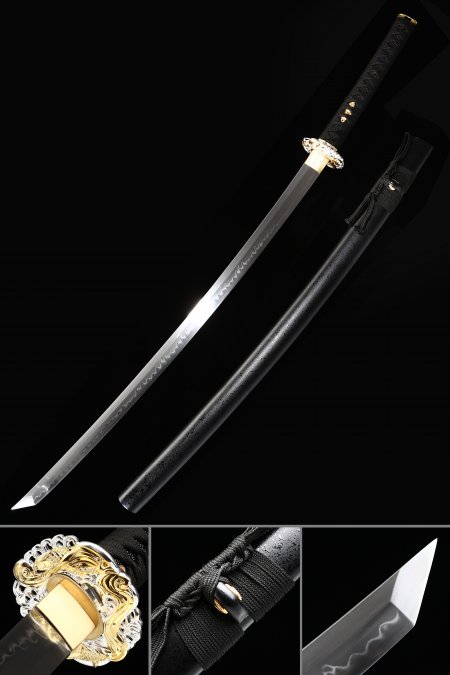
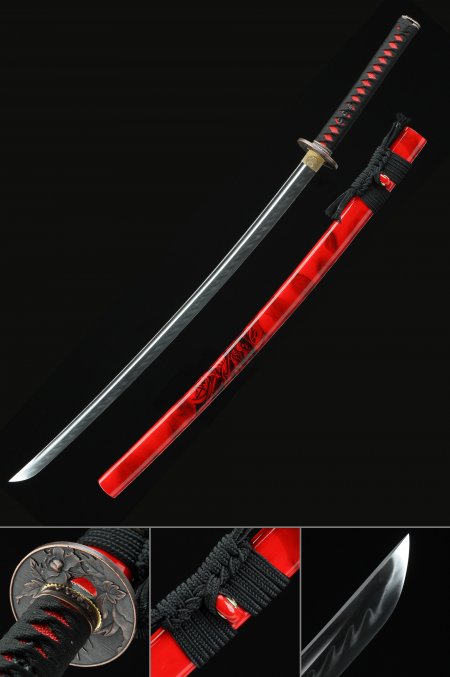
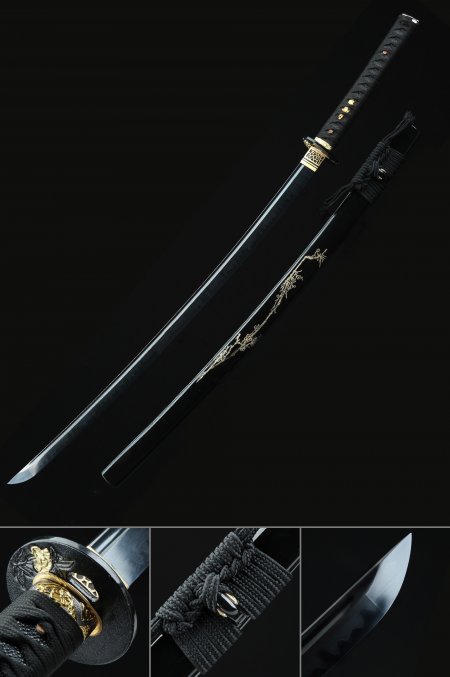
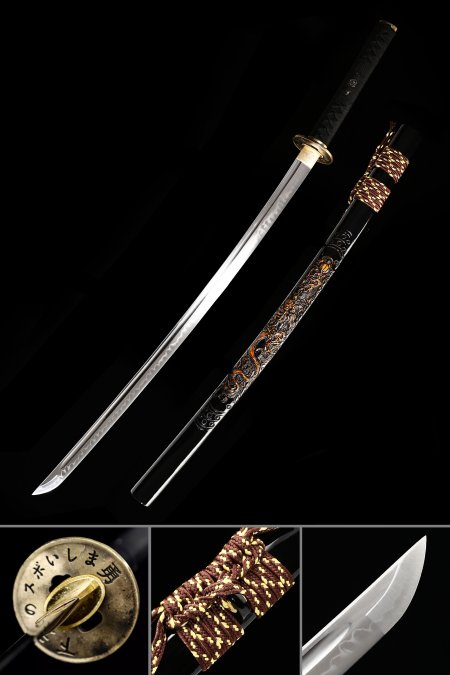
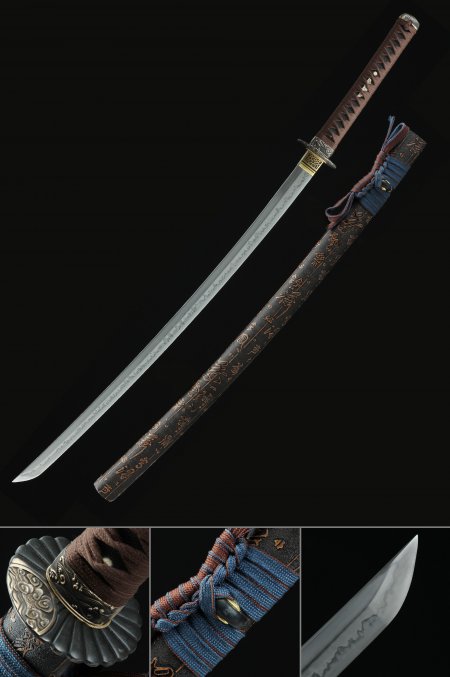
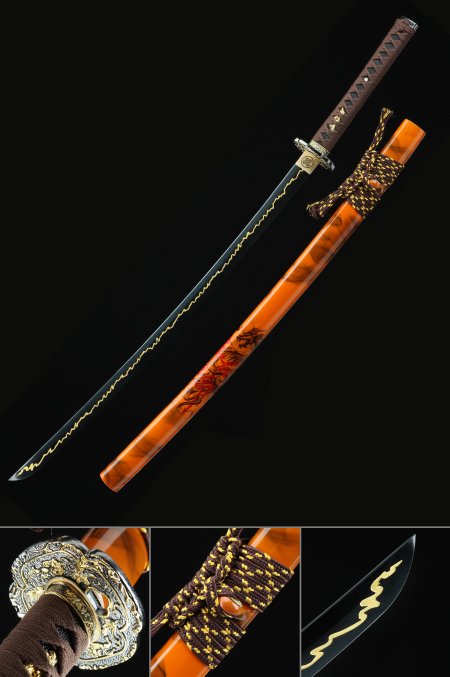
A hamon is the visible temper line that appears on a blade after clay differential hardening — a process where clay is applied to the spine before quenching, causing the edge to cool faster and harden into martensite while the spine remains tougher and more flexible. The result is a naturally occurring wave or pattern along the edge that is unique to each blade. On T10 and 1095 carbon steel tanto, a real hamon is a direct record of the smith's heat treatment process and cannot be replicated by machine polishing or acid etching. For collectors, it signals authentic hand-forged technique and adds individual character that makes two otherwise identical-looking tanto entirely distinct as objects.