What makes a black-gold lacquered saya collectible?
Updated Mar 2026
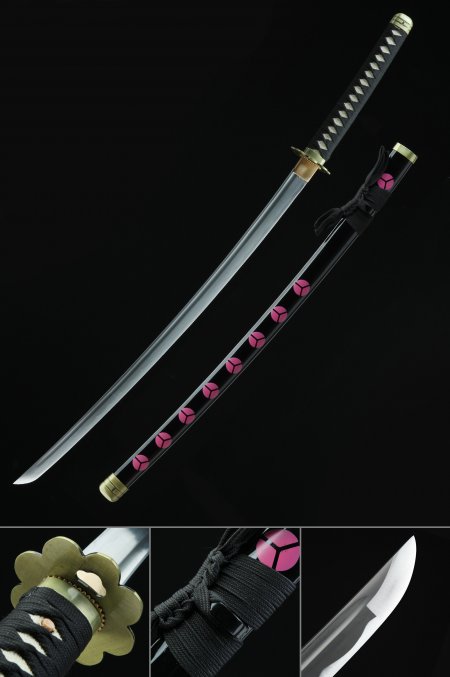
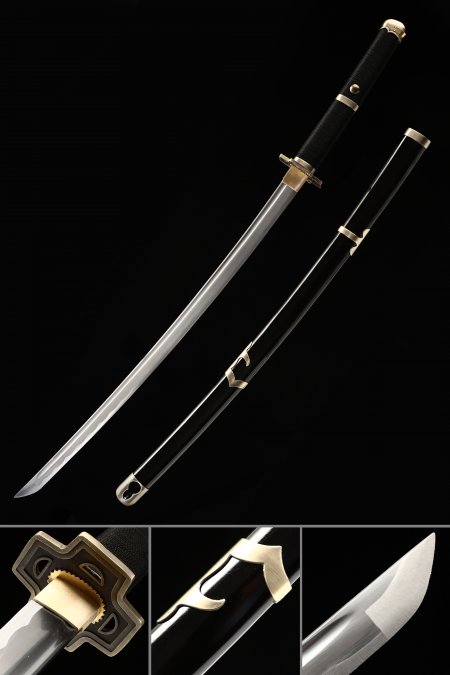
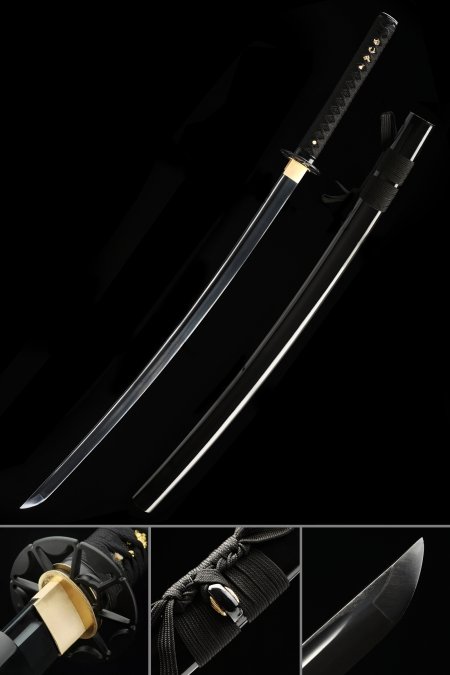
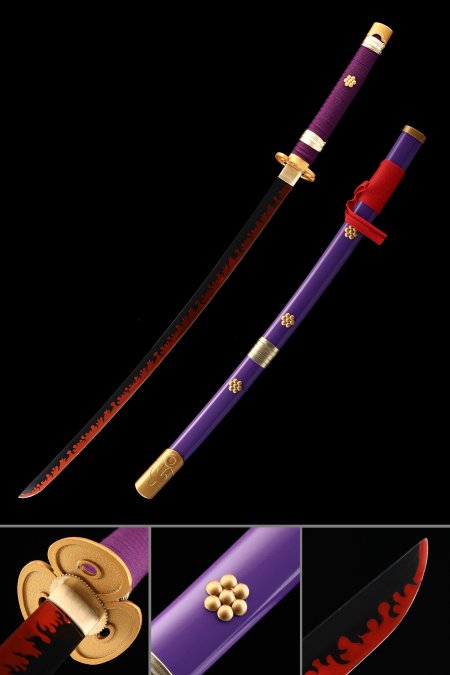
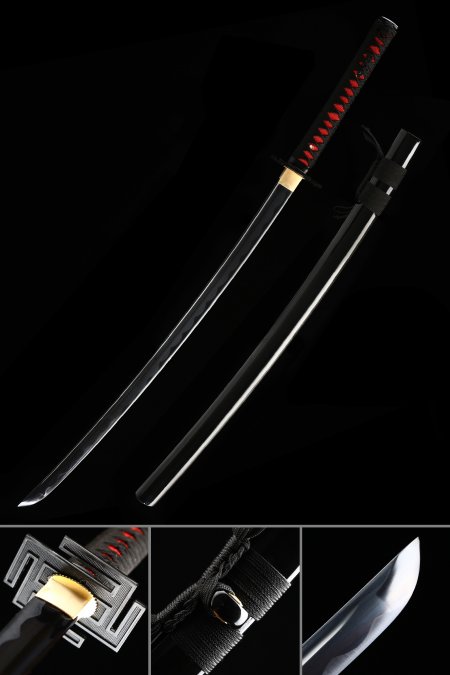
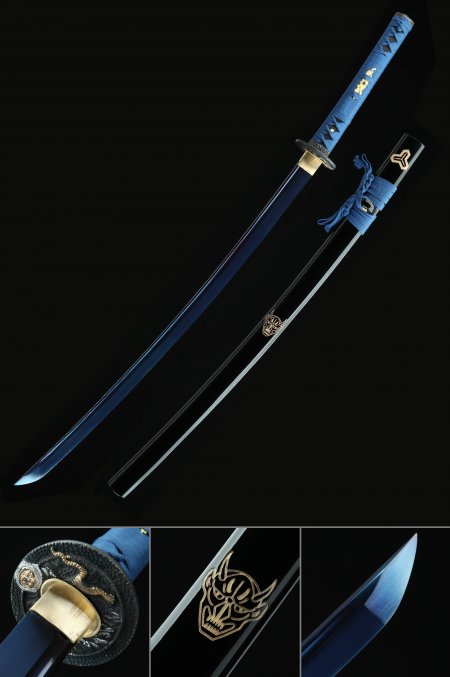
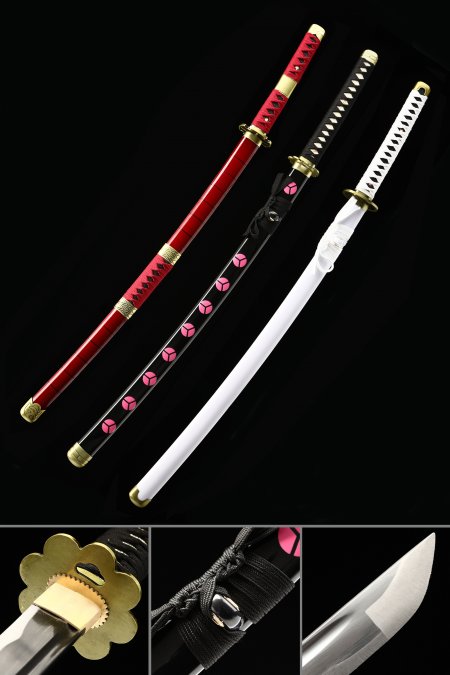
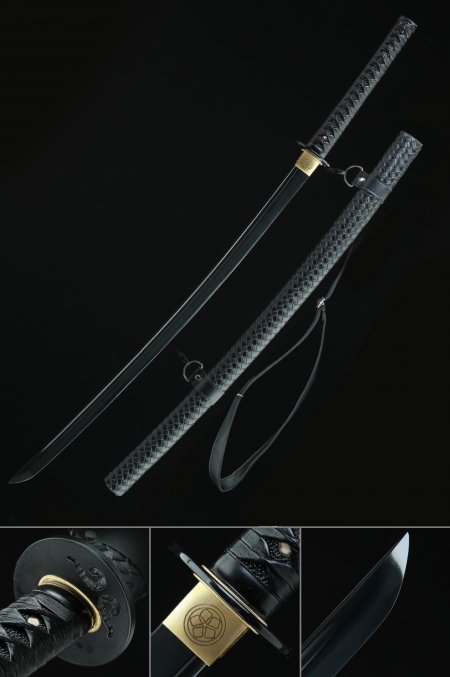
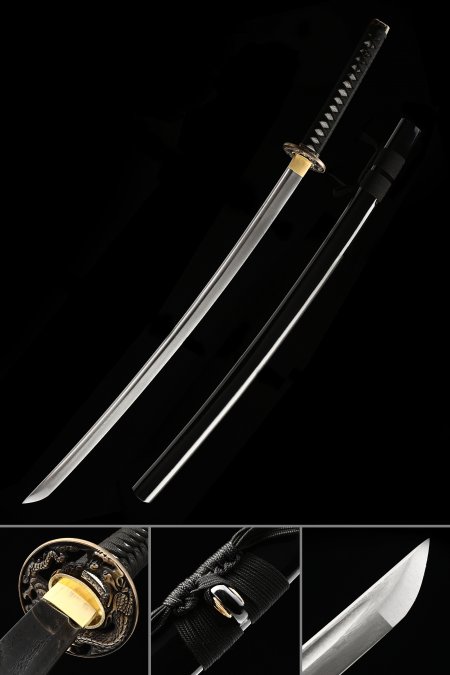
The value of a lacquered saya as a collectible element lies in both its craft process and its historical grounding. Traditional Japanese saya are carved or formed from a lightweight wood core — often honoki (magnolia) — then coated with multiple layers of lacquer, each cured before the next is applied. Black urushi lacquer builds to a depth that catches light differently depending on the angle, and gold embellishments applied over it create the high-contrast aesthetic that defined prestige mountings in the Momoyama and Edo periods. On the pieces in this collection, that visual tradition is interpreted through speckled gold finishes, gold-wrapped cord on the tsuka, and cast alloy tsuba with gold-tone detailing — all working as a coordinated set rather than isolated decorative choices.