What is the difference between Damascus and high-carbon steel in katana collecting?
Updated Mar 2026
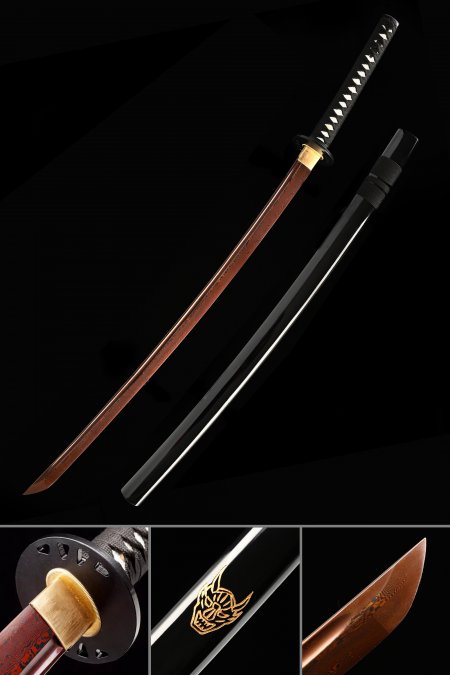
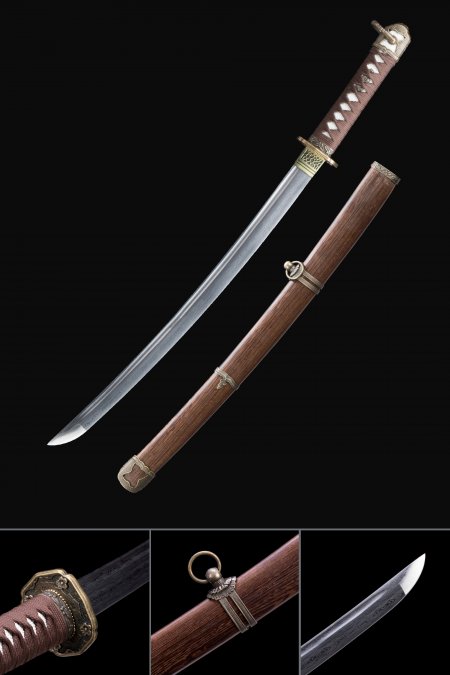
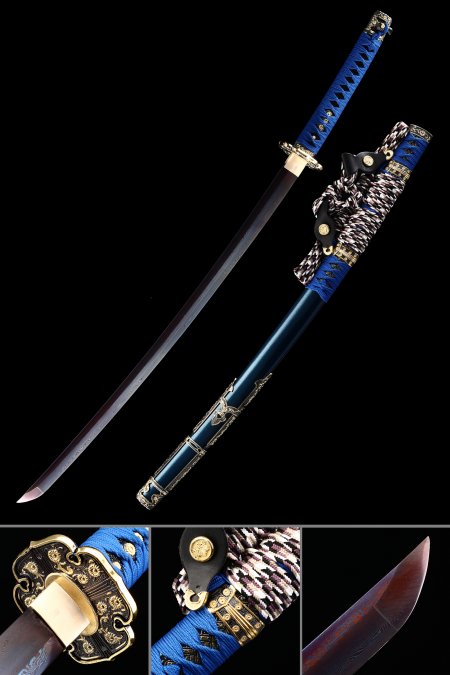
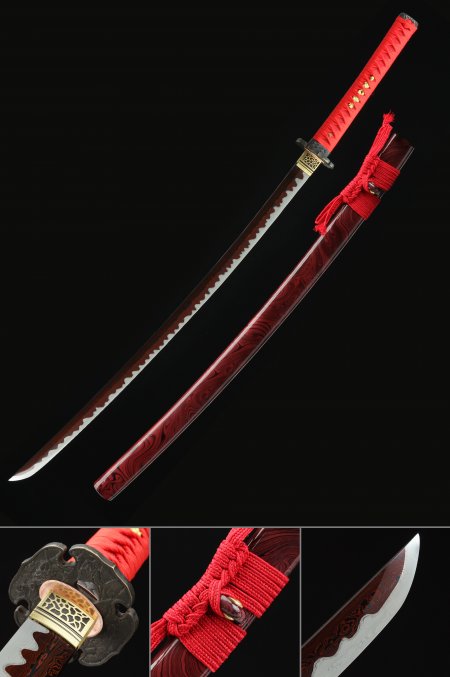
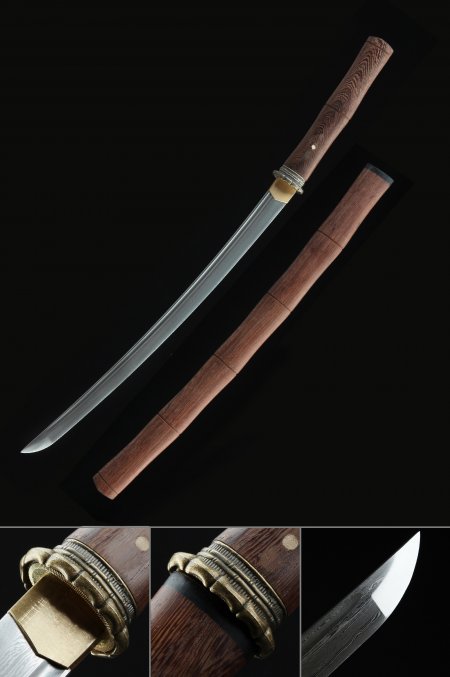
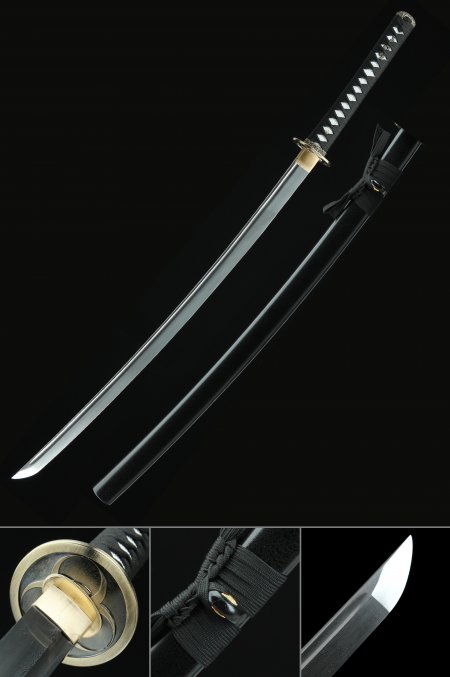
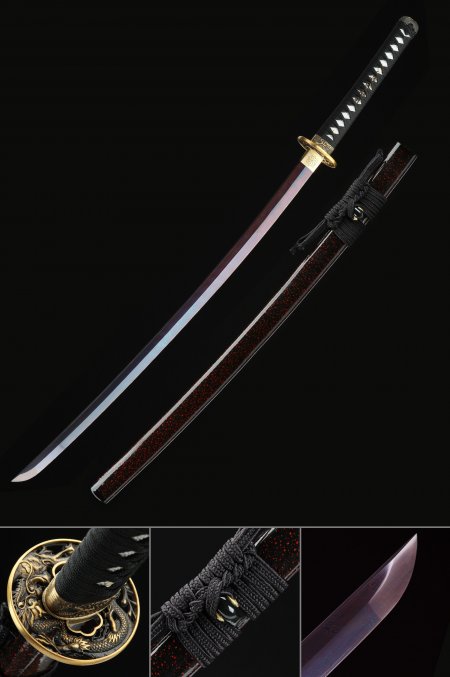
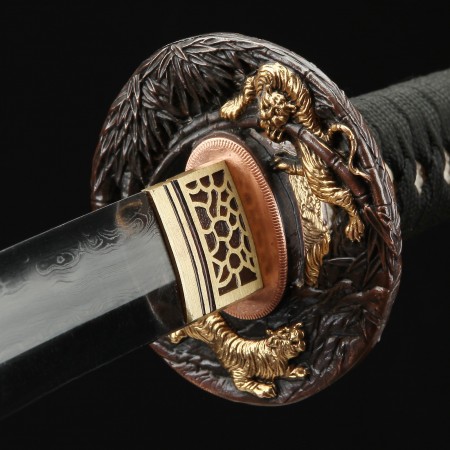
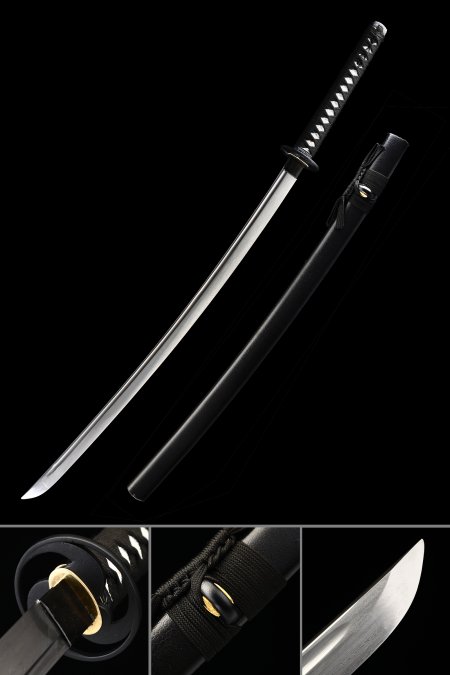
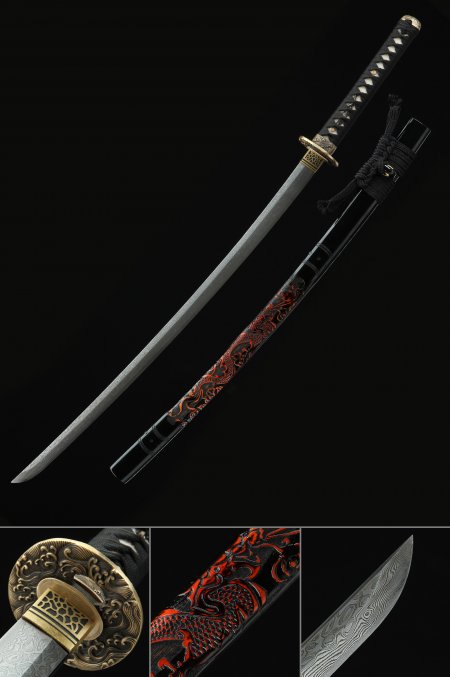
Damascus steel - sometimes called pattern-welded steel - is created by forge-welding multiple layers of steel with differing carbon content, then manipulating the billet through folding and twisting to create a surface pattern. When acid-etched, those layers reveal a flowing, organic design that is unique to each blade. High-carbon steels like 1060, 1065, 1090, and 1095 are single-composition steels valued for their consistent grain structure and their ability to take a clean, even polish. For display collectors, Damascus offers maximum visual impact and individuality - no two blades share the same surface pattern. High-carbon blades, especially clay-tempered ones, offer a more traditionally Japanese aesthetic focused on the hamon and blade geometry rather than surface patterning. Neither is superior; the choice depends on what visual narrative you want your display to tell.