How does a gold tsuba differ from a copper or brass one?
Updated Mar 2026
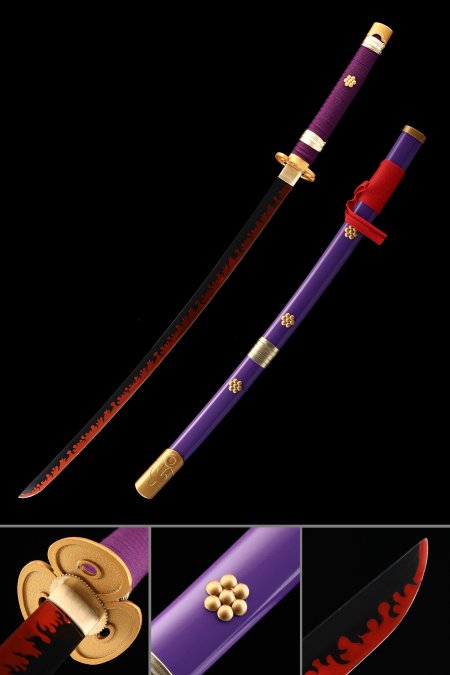
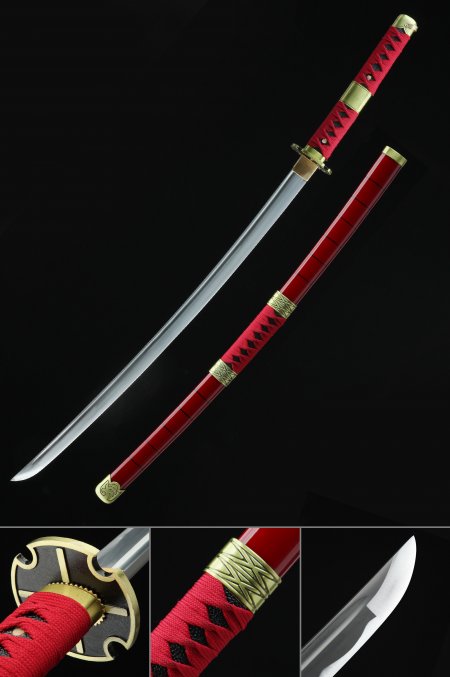
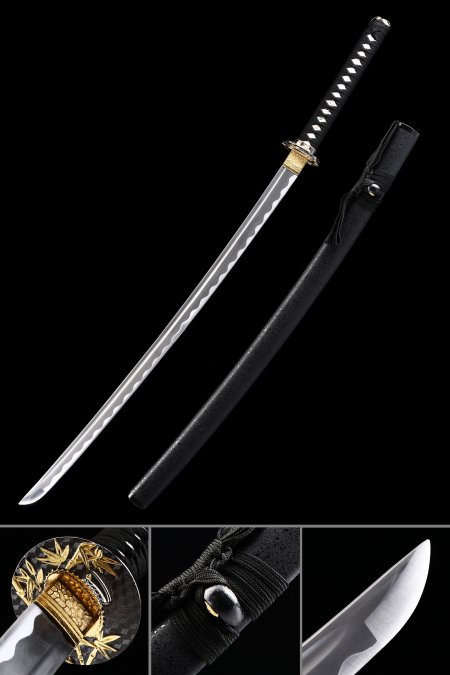
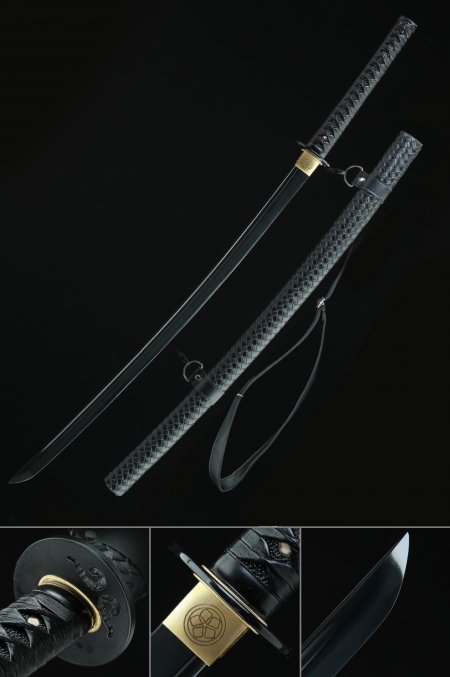
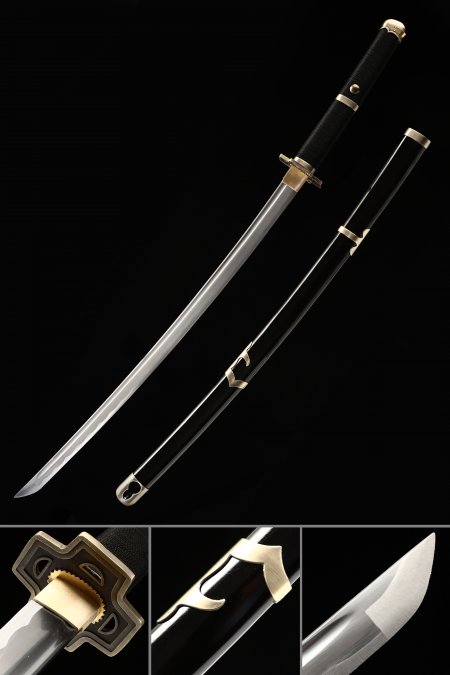
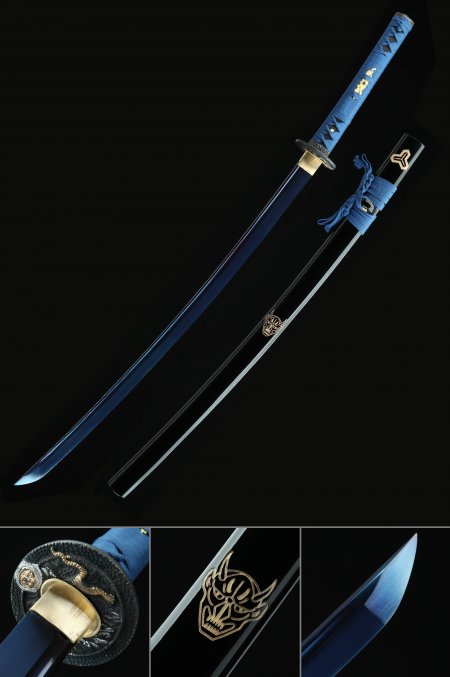
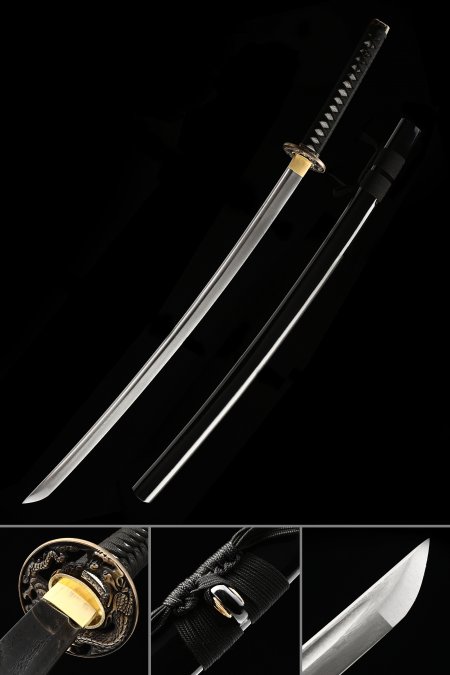
Gold alloy tsuba are typically cast or machined from a zinc-based alloy with a gold-tone plating or finish, giving them a consistent warm luster that resists tarnishing more effectively than raw brass or copper. Copper tsuba, by contrast, develop a natural patina over time - shifting from bright orange-red toward brown or green - which many collectors prize as evidence of age and authenticity. Brass tsuba sit between the two: slower to patina than copper but less visually stable than gold alloy over decades. For display pieces where consistent, long-term visual impact matters, gold alloy fittings are practical. For collectors pursuing historical accuracy or wabi-sabi aesthetics, copper or shakudo fittings may be more appropriate. The choice is largely philosophical rather than structural, as all three materials perform similarly in a display or collectible context.