How does clay-tempered T10 steel differ from 1045 carbon steel?
Updated Mar 2026
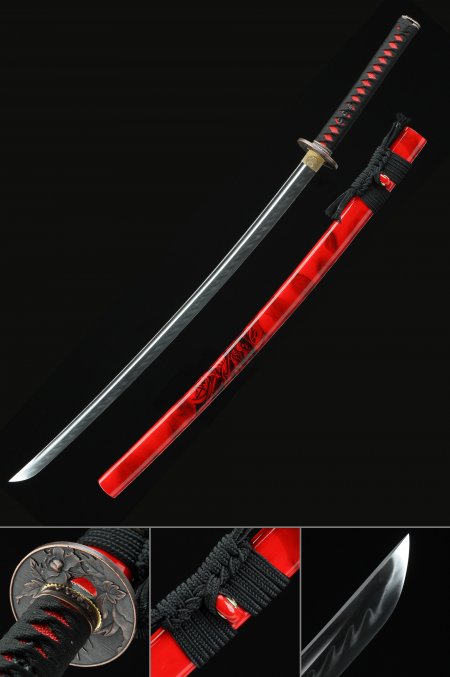
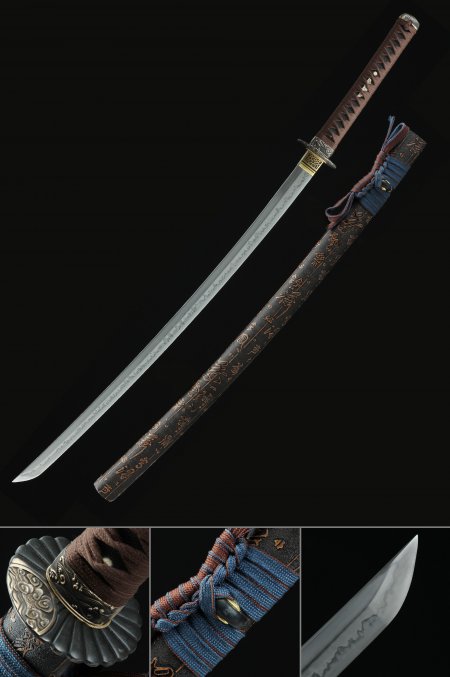
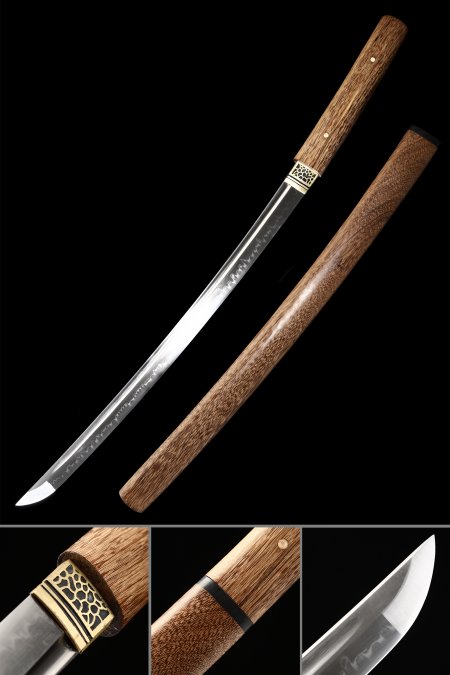
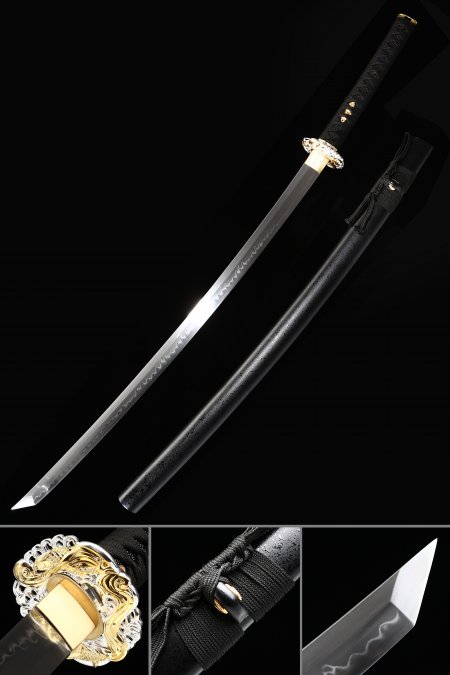
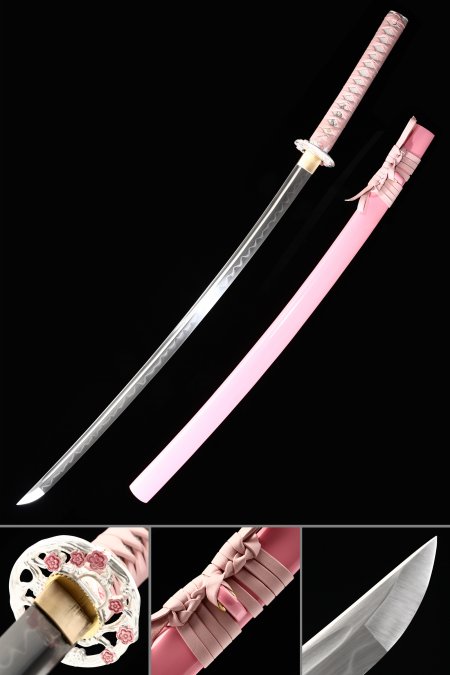
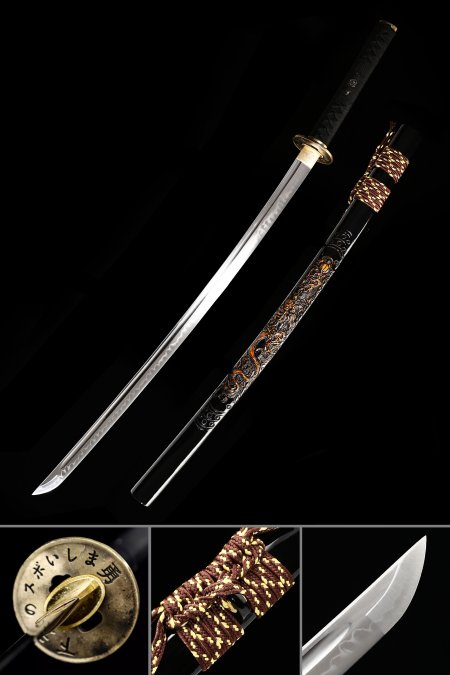
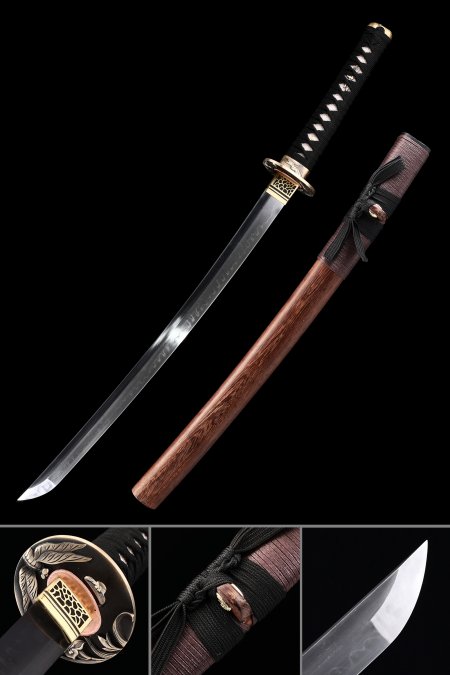
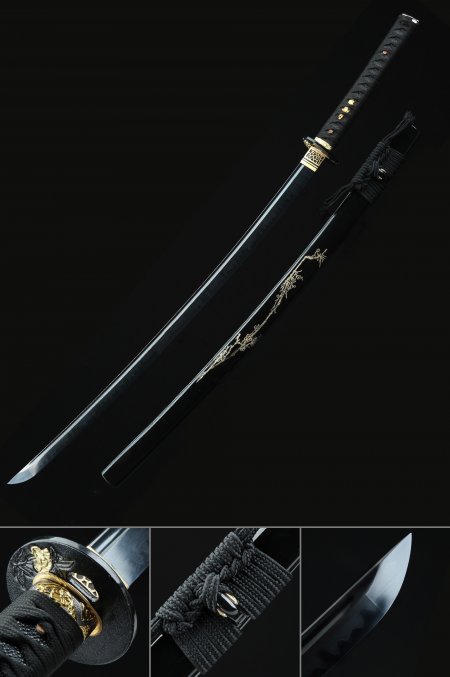
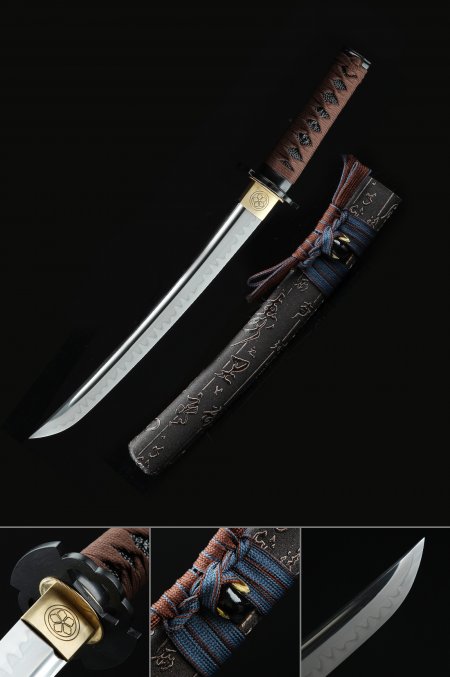
T10 is a high-carbon tool steel with a carbon content around 1.0%, which places it significantly above the 0.45% carbon in 1045 steel. The higher carbon content allows T10 to achieve greater hardness at the edge when properly heat-treated. What makes clay-tempered T10 especially distinctive for collectors is the differential hardening process: a layer of clay is applied to the spine before quenching, causing the edge to cool faster and become harder while the spine remains softer and more resilient. This process produces a visible hamon — the temper line — along the blade, which is considered one of the most prized visual characteristics in Japanese-style swordsmithing. A 1045 steel blade, by contrast, is uniformly tempered, making it a more straightforward and cost-effective collectible, but without the hamon detail that defines higher-end display pieces.