How is a real hamon different from an acid-etched one?
Updated Mar 2026
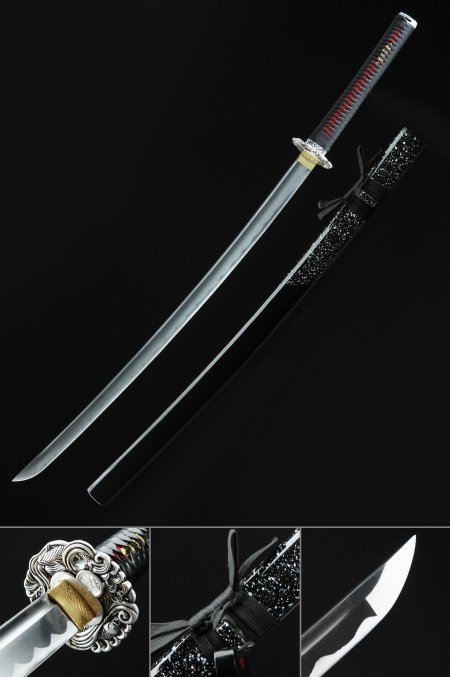
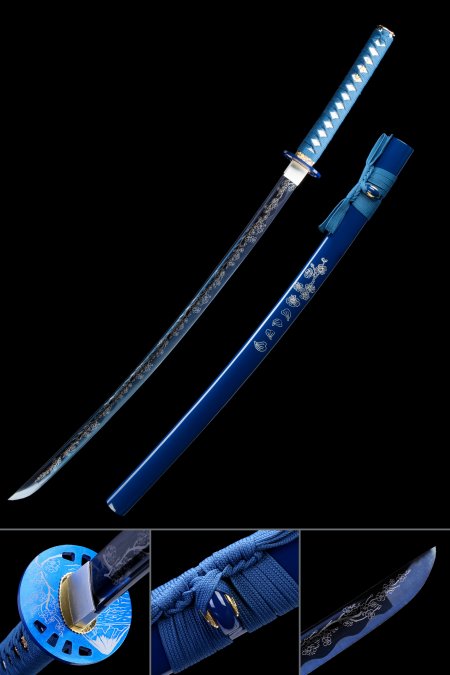
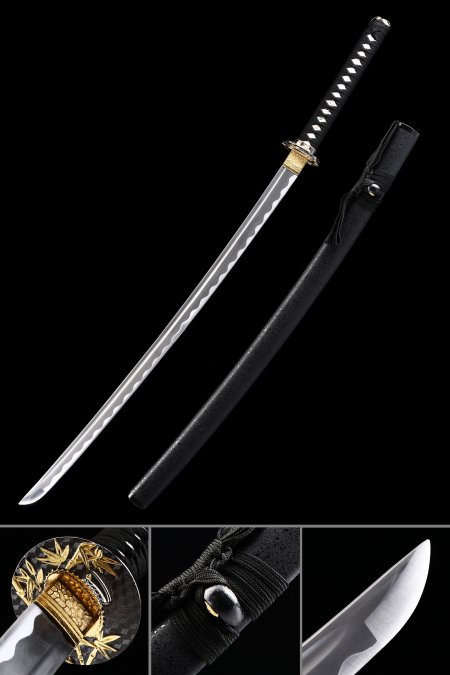
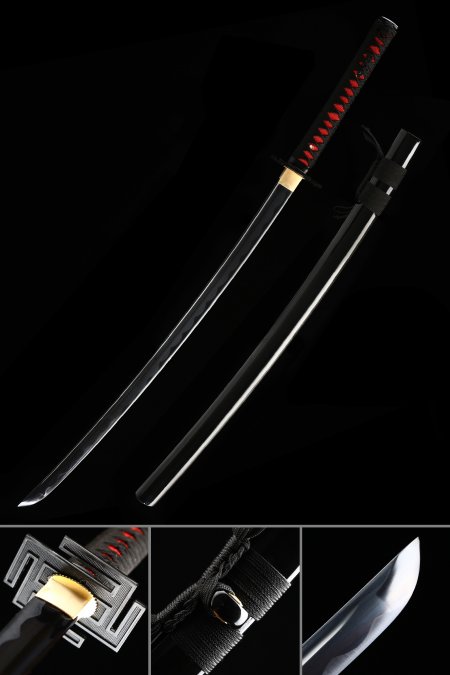
A genuine hamon forms during the clay tempering and quenching process, where rapid cooling locks the edge into a harder martensitic structure while the clay-coated spine cools more slowly into a softer pearlitic state. The boundary between these two zones produces a visible line of crystalline activity. An acid-etched hamon, by contrast, is applied after the fact — the blade is uniformly hardened, and the hamon pattern is chemically drawn onto the surface to mimic the look. The practical difference is that a real hamon has depth and texture visible under magnification: fine misty structures called nioi and bright sparkling points called nie are present along the transition zone. An etched line is flat and uniform with no structural variation underneath. For collectors, real hamon is a key indicator of authentic traditional heat treatment and adds significant display and historical value to the piece.