How does Damascus steel differ from 1095 carbon steel in a Shin Gunto replica?
Updated Mar 2026
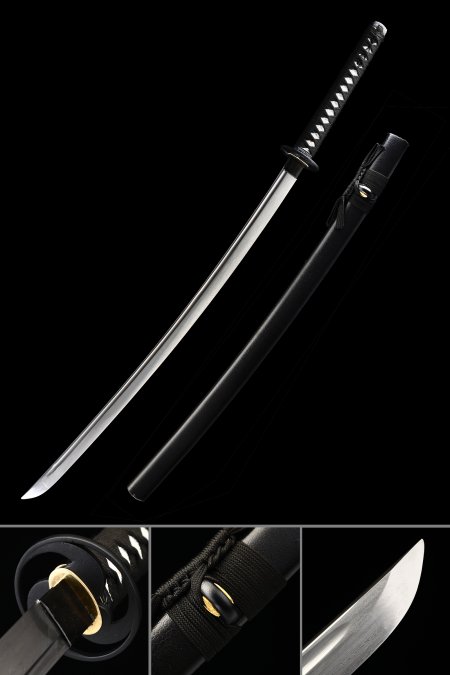
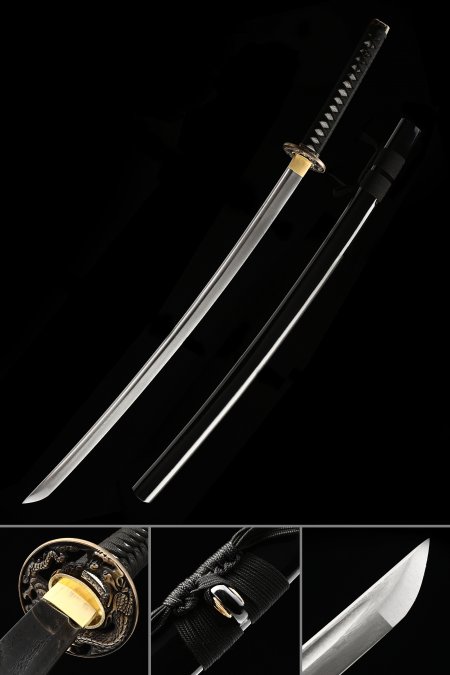
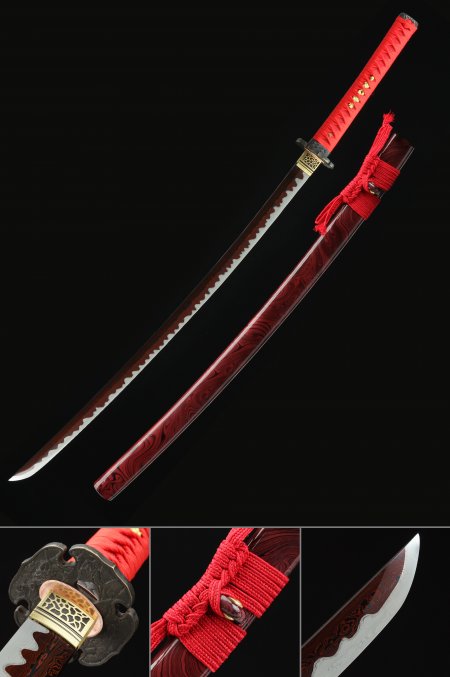
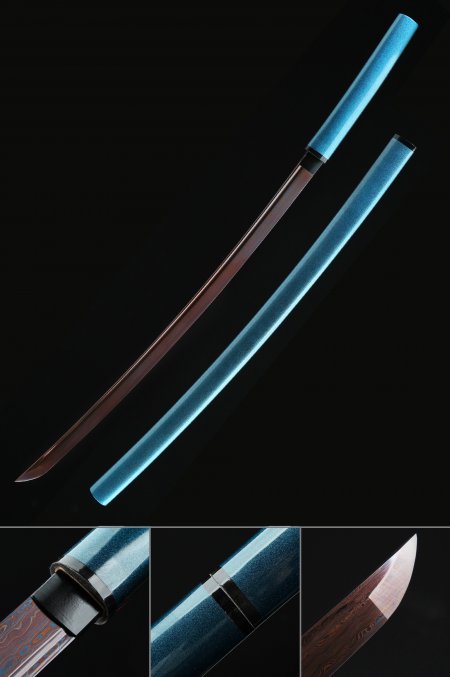
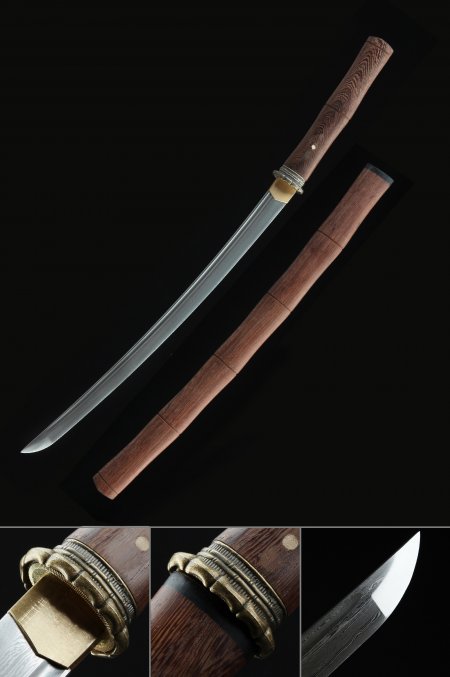
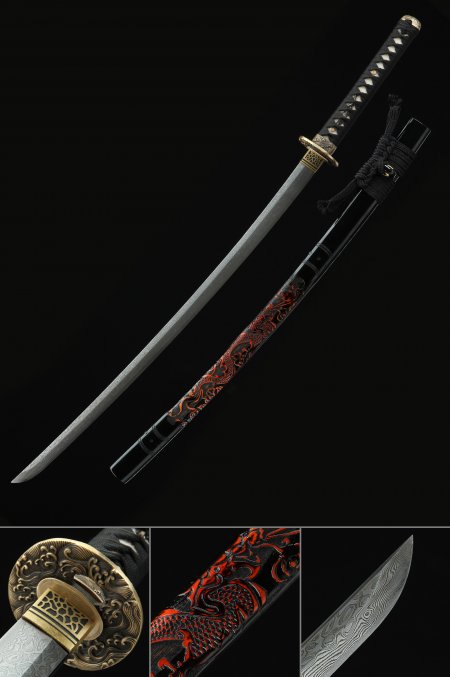
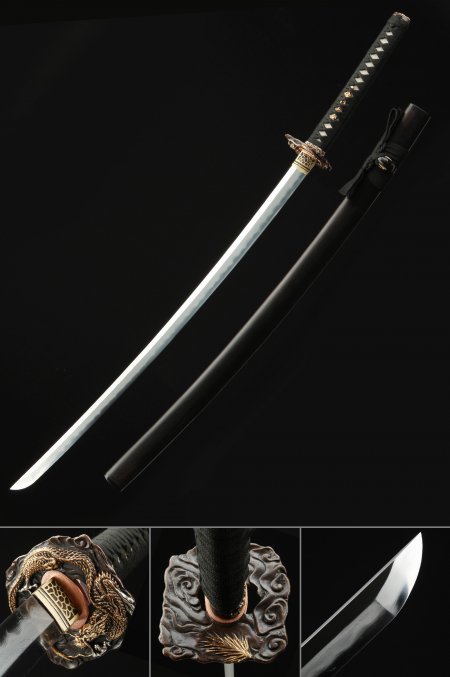
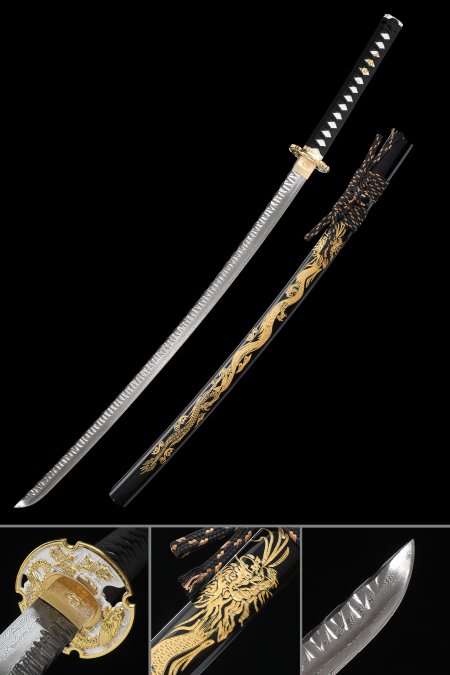
Damascus steel and 1095 high-carbon steel represent two distinct approaches to blade construction. Damascus billets are made by forge-welding multiple layers of steel together - typically alternating high and low carbon alloys - then manipulating the billet to produce flowing, visible grain patterns on the polished surface. No two Damascus blades look identical, which gives each replica genuine visual uniqueness. 1095 carbon steel, by contrast, is a single-alloy high-carbon steel prized for its consistent hardness and tight grain structure. When clay-tempered, 1095 develops a distinct hamon (temper line) along the edge, closely echoing the aesthetic of traditionally polished Japanese blades. For display-focused collectors, Damascus offers visual drama; for those prioritizing period authenticity and hamon character, 1095 or T10 clay-tempered blades are the more historically resonant choice.