What is a real hamon and why do collectors value it?
Updated Mar 2026
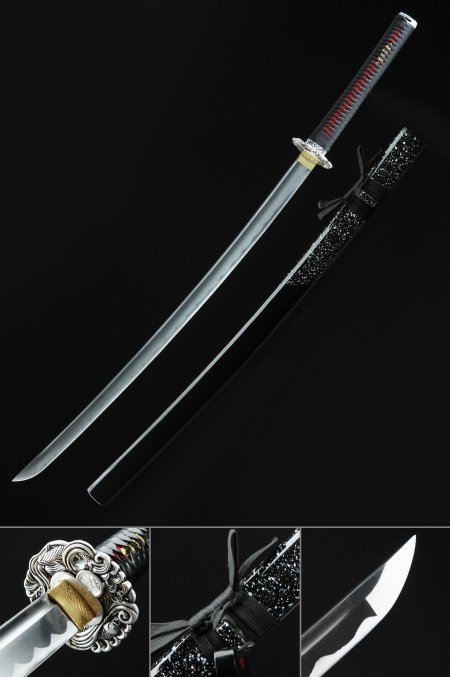
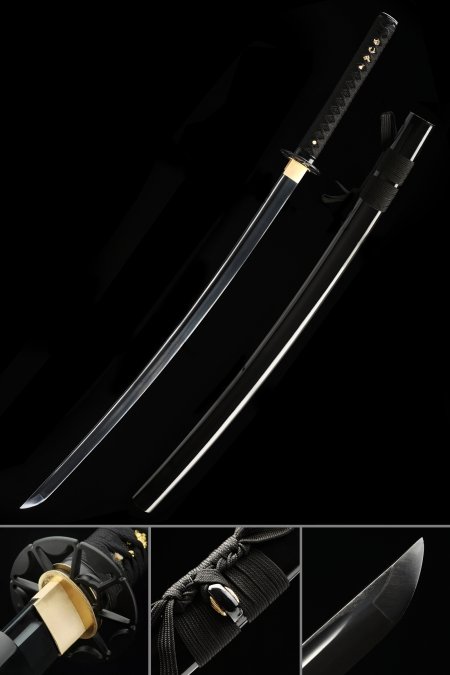
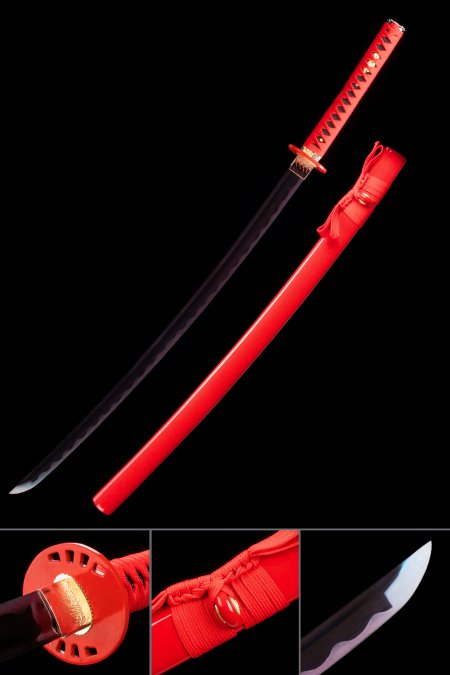
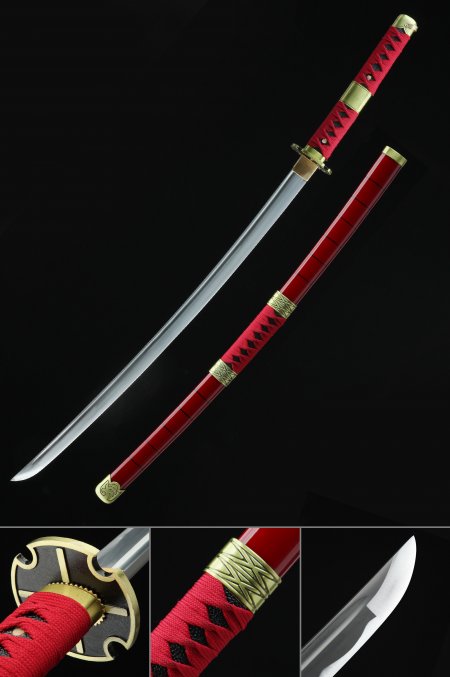
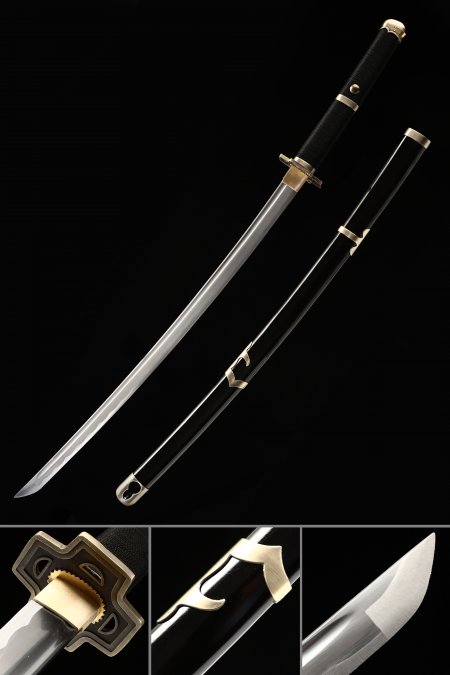
A hamon is the visible temper line that forms along a blade during the differential hardening process known as tsuchioki and yaki-ire. The swordsmith applies a clay mixture to the blade before quenching - thinner along the edge, thicker along the spine - which causes the edge to cool rapidly and form a harder crystalline structure called martensite, while the spine remains softer and more resilient. The boundary between these two zones appears on the polished surface as a misty, undulating line that can take many recognized pattern forms, including suguha (straight), notare (wavelike), and gunome (repeating arcs). A real hamon is produced by this actual metallurgical process, as opposed to an acid-etched or engraved line that mimics the appearance without the underlying structure. Collectors value real hamon pieces because the pattern is a direct record of the smith's technique and clay application skill - no two are identical, making each blade a unique artifact of its maker's hand.