How does T10 steel differ from Damascus in these collectibles?
Updated Mar 2026
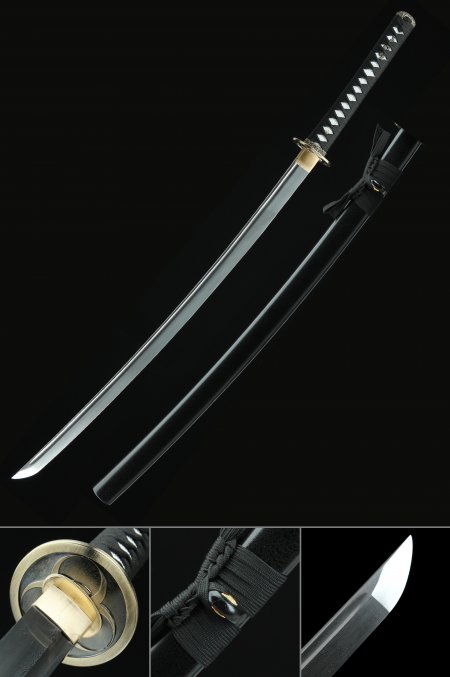
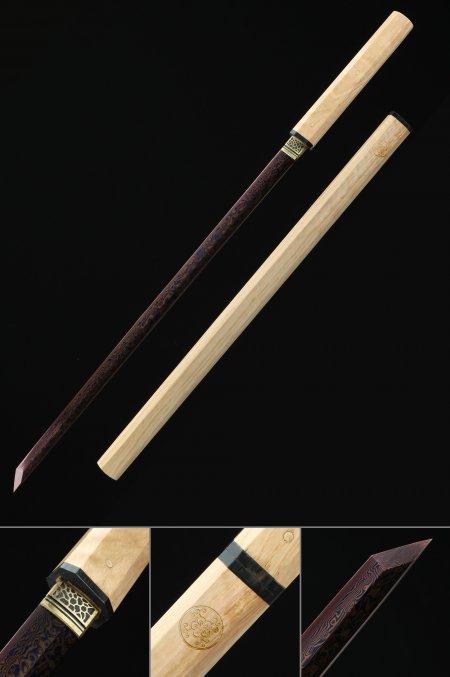
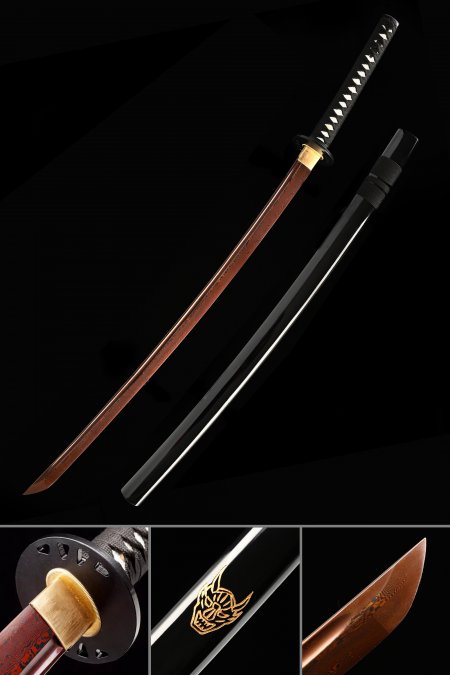
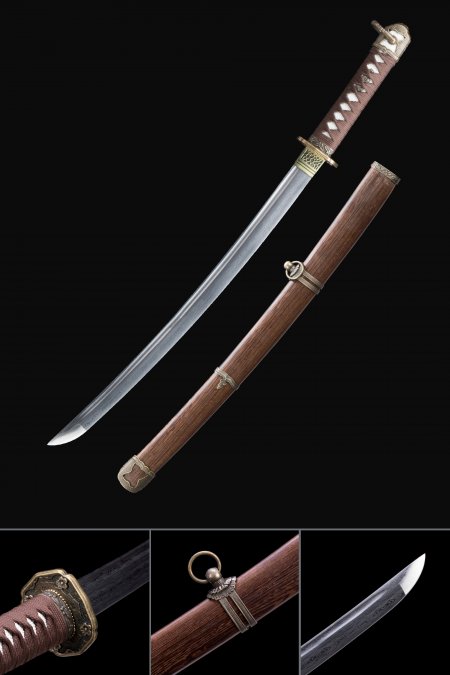
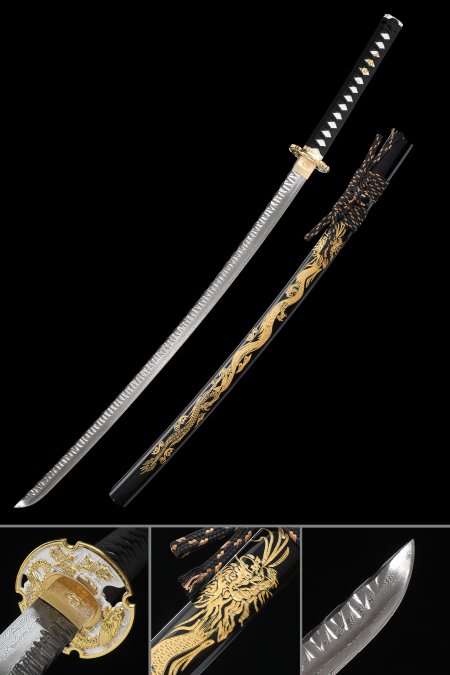
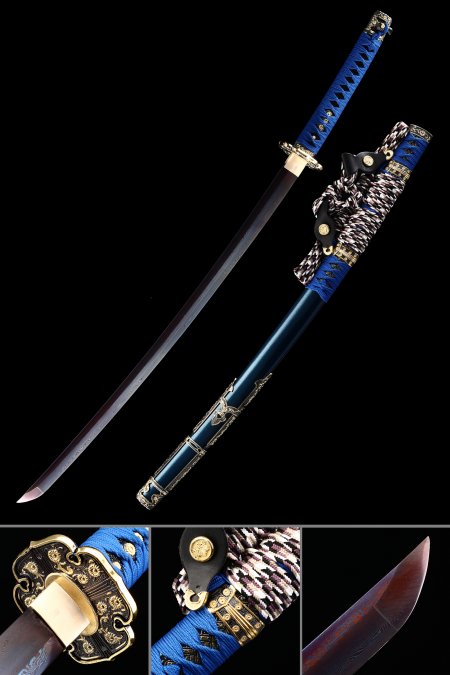
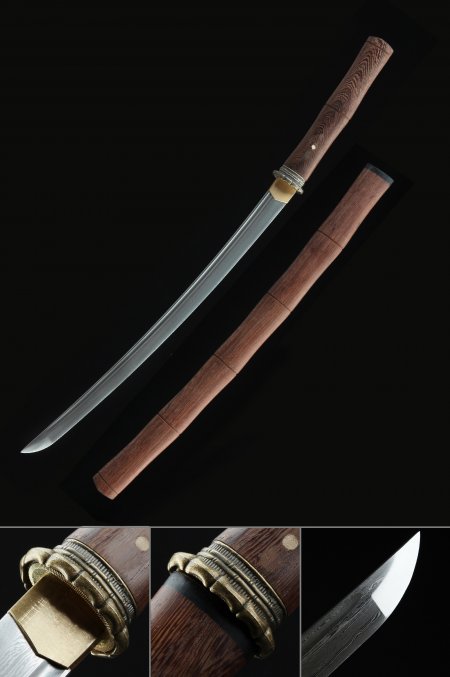
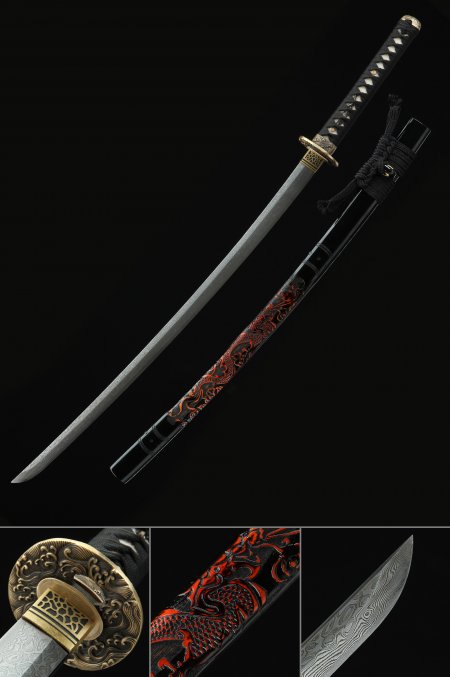
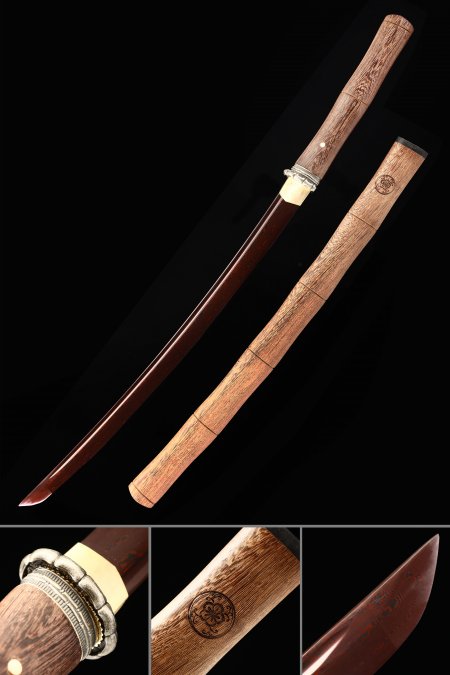
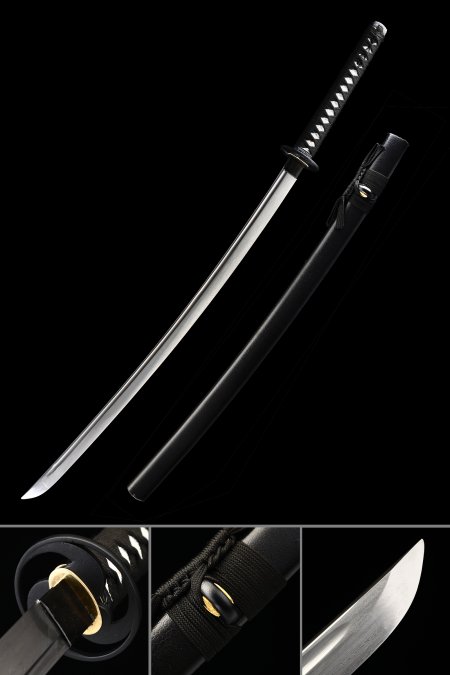
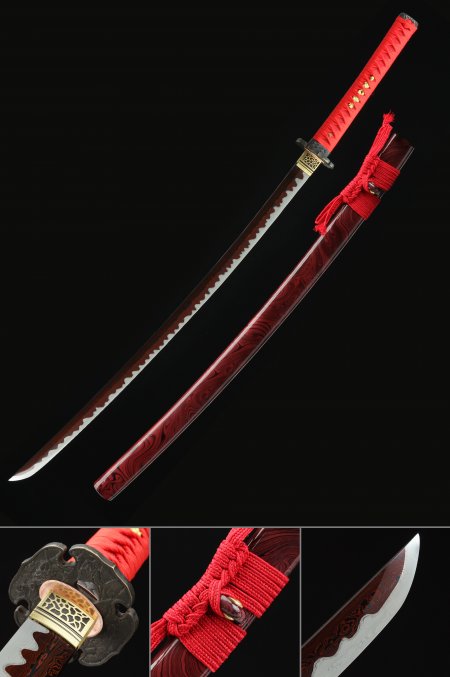
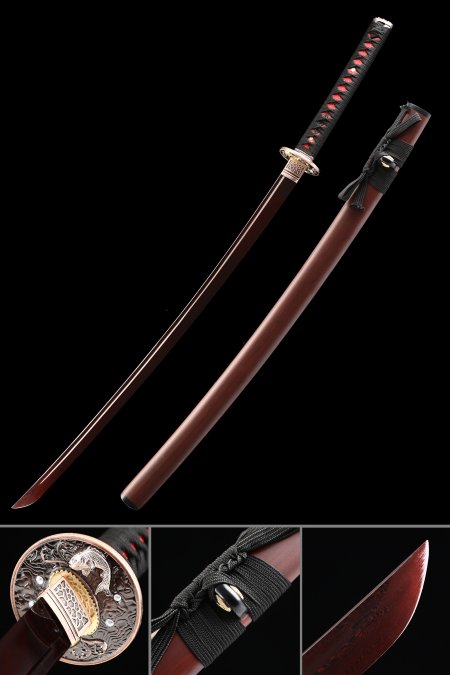
T10 is a high-carbon tool steel with a carbon content around 1.0%, making it particularly well-suited to clay tempering - the process that creates a visible hamon (temper line) along the blade's edge. The resulting differential hardness gives a T10 katana a harder edge zone and a softer, more resilient spine, which is why hamon activity on T10 blades tends to be especially crisp and dramatic under raking light. Damascus steel, by contrast, is produced by folding and forge-welding layers of different steel alloys, creating the distinctive flowing surface patterns visible across the blade's flat. Damascus collectibles are valued for their visual complexity and the labor-intensive forging process, but the layered surface is a distinct aesthetic from the hamon of a clay-tempered T10 blade. Both are legitimate collector materials - they simply offer different visual and metallurgical stories.